

Ditch the prescriptions and try these 10 natural methods instead – control high blood pressure without medication starting today!
Welcome to our blog, where we explore natural healing at home through remedies, herbal treatments, and wellness tips for everyday ailments. Today, we’ll focus on high blood pressure, a common issue that many people face. Instead of relying solely on medication, we’ll discuss 10 ways you can control high blood pressure naturally.
High blood pressure, also known as hypertension, is a serious condition that can lead to complications such as heart disease and stroke. While medication can be effective in managing high blood pressure, there are natural alternatives that can also help. By incorporating these holistic approaches into your daily routine, you can take control of your health and well-being.
1. Mindful Eating
One of the most important factors in controlling high blood pressure is maintaining a healthy diet. By focusing on whole, nutrient-rich foods such as fruits, vegetables, lean proteins, and whole grains, you can support your overall health. Avoiding processed foods, excess salt, and saturated fats can help lower blood pressure naturally.
2. Regular Exercise
Physical activity is another key component in managing high blood pressure. Regular exercise not only helps to lower blood pressure but also improves overall cardiovascular health. Aim for at least 30 minutes of moderate exercise most days of the week, whether it’s walking, biking, swimming, or yoga.
3. Stress Management
Stress can contribute to high blood pressure, so it’s essential to find healthy ways to manage stress in your life. Techniques such as meditation, deep breathing exercises, and spending time in nature can help reduce stress levels and promote relaxation.
4. Herbal Supplements
In addition to diet and exercise, certain herbs and supplements have been shown to have blood pressure-lowering effects. Popular options include garlic, hawthorn, and hibiscus, which can help support cardiovascular health naturally.
5. Limiting Alcohol and Caffeine
Excessive consumption of alcohol and caffeine can raise blood pressure levels. By moderating your intake of these substances, you can help keep your blood pressure in check. Opt for herbal teas or water as healthier alternatives.
6. Maintain a Healthy Weight
Being overweight or obese is a risk factor for high blood pressure. By adopting a healthy diet and exercise routine, you can achieve and maintain a healthy weight, which can help lower blood pressure and reduce your risk of related health issues.
| Method | Description |
|---|---|
| 1. Maintain a healthy weight | Being overweight puts extra strain on your heart, leading to higher blood pressure. Losing even a small amount of weight can help reduce blood pressure. |
| 2. Follow a healthy diet | Eating a diet rich in fruits, vegetables, whole grains, and lean proteins can help lower blood pressure. Avoiding excessive salt, sugar, and processed foods is also important. |
| 3. Exercise regularly | Regular physical activity can help lower blood pressure. Aim for at least 30 minutes of moderate exercise most days of the week. |
| 4. Reduce stress | Stress can raise blood pressure. Find ways to relax and manage stress, such as deep breathing, meditation, or yoga. |
| 5. Limit alcohol intake | Drinking too much alcohol can raise blood pressure. Limit your intake to no more than one drink per day for women and two drinks per day for men. |
| 6. Quit smoking | Smoking can raise blood pressure and increase the risk of heart disease. Quitting smoking can have a positive impact on blood pressure. |
| 7. Get enough sleep | Not getting enough sleep can contribute to high blood pressure. Aim for 7-8 hours of quality sleep each night. |
| 8. Monitor your blood pressure | Regularly checking your blood pressure can help you track your progress and make necessary adjustments to your lifestyle. |
| 9. Reduce sodium intake | Excessive salt intake can raise blood pressure. Aim to limit your sodium intake to less than 2,300 mg per day. |
| 10. Eat potassium-rich foods | Potassium helps balance sodium levels in the body, which can help lower blood pressure. Include potassium-rich foods like bananas, spinach, and sweet potatoes in your diet. |
7. Stay Hydrated
Proper hydration is essential for overall health and can also play a role in managing blood pressure. Aim to drink plenty of water throughout the day and limit your intake of sugary beverages, which can contribute to dehydration and high blood pressure.
8. Get Plenty of Sleep
Quality sleep is crucial for overall health, including blood pressure regulation. Aim for 7-9 hours of restful sleep each night to support optimal cardiovascular function and help keep your blood pressure in a healthy range.
9. Regular Check-Ups
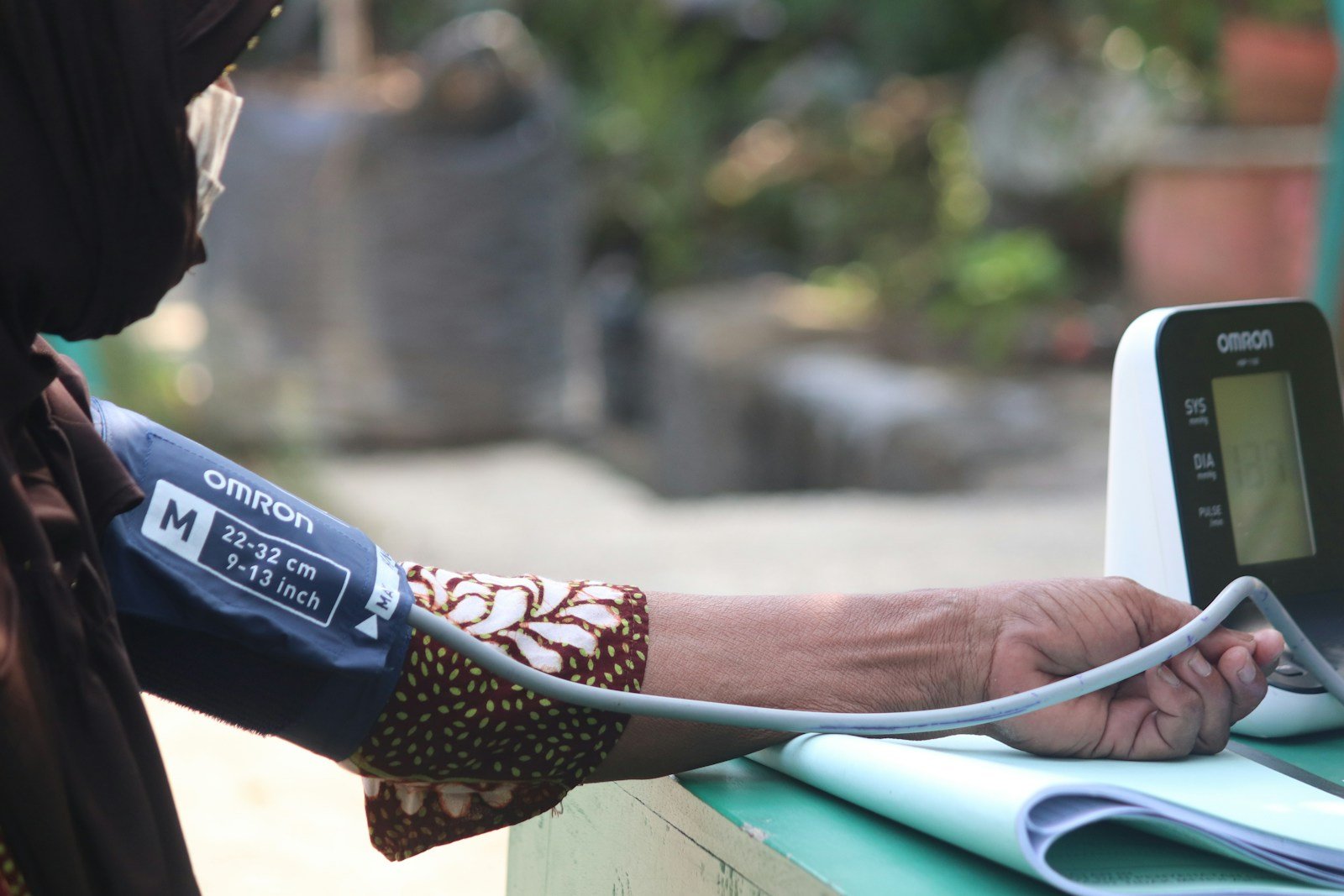
Monitoring your blood pressure regularly is vital for understanding your heart health. Schedule regular check-ups with your healthcare provider to track your blood pressure and make any necessary adjustments to your natural treatment plan.
10. Holistic Wellness Practices
Incorporating holistic wellness practices into your daily routine can help support overall health and well-being. HealThyRam.com, a wellness marketplace that promotes holistic wellness based on Indian wisdom of AYUSH, offers a variety of resources and products to aid in your journey to control high blood pressure naturally.
By combining these natural approaches with guidance from your healthcare provider, you can take control of your high blood pressure and improve your overall health and well-being. Remember, small changes can lead to significant improvements in your heart health.
We hope this guide has been helpful in providing you with practical tips for managing high blood pressure naturally. The key is to listen to your body, make informed choices, and prioritize your health. Together, we can work towards a healthier, happier, and more balanced life. Stay well!
Frequently Asked Questions
Can high blood pressure be controlled without medication?
Yes, high blood pressure can be managed naturally through lifestyle changes such as diet modifications, regular exercise, stress management, and holistic practices.
How can exercise help lower blood pressure?
Regular physical activity can improve cardiovascular health, strengthen the heart, and lower blood pressure by increasing blood flow and reducing stress on the heart.
Are herbal supplements safe for lowering blood pressure?
Certain herbs and supplements like garlic, hawthorn, and hibiscus have shown potential in supporting cardiovascular health and lowering blood pressure, but it’s essential to consult with a healthcare provider before adding them to your routine.
Why is stress management important for controlling high blood pressure?
Stress can contribute to elevated blood pressure levels, so finding healthy ways to cope with stress through techniques like meditation, deep breathing, and relaxation exercises can help lower blood pressure naturally and improve overall well-being.
Disclosure: As an Amazon Associate, HealThyRam.com earns from qualifying purchases. This comes at no additional cost to you and helps support our work.
