No products in the cart.
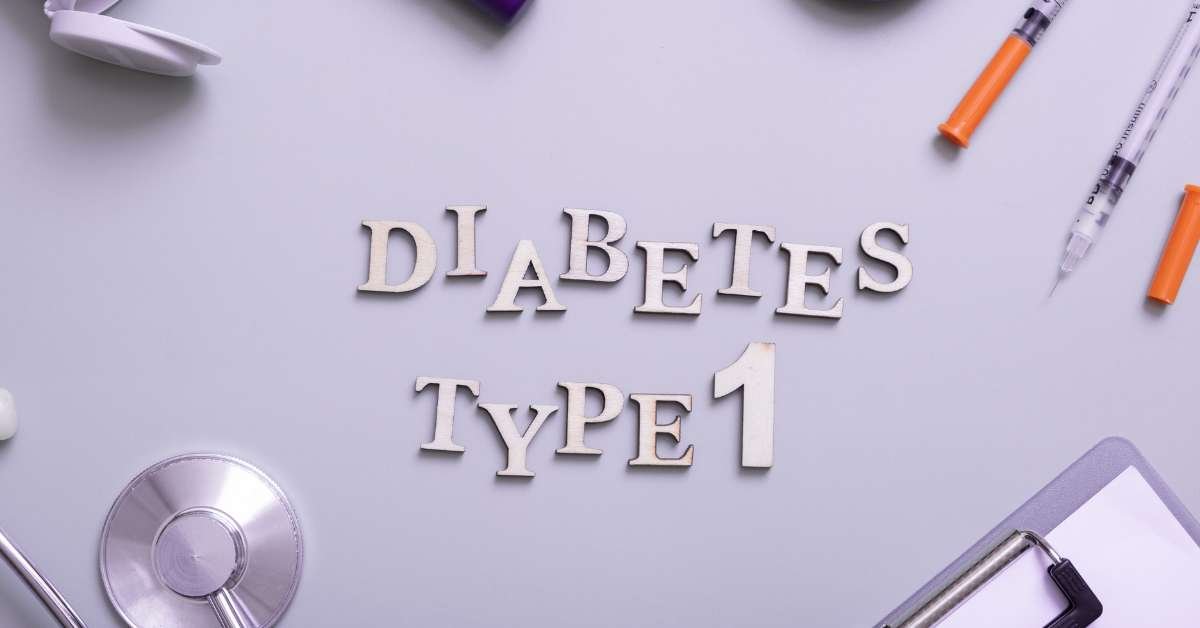

You’ve likely heard about Type 1 Diabetes, a chronic condition where the pancreas produces little to no insulin. Excitingly, a slew of recent breakthroughs in treatments are giving hope to those affected by this condition. In this article, “Breakthroughs in Type 1 Diabetes Treatments,” the focus will lie heavily on these revolutionary developments, from the creation of more effective insulin drugs to innovative therapeutic strategies. Your look into these advancements promises to enlighten you about the future of Type 1 diabetes management while offering invaluable insights into the relentless pursuit of science to overcome this daunting condition. Let’s embark on this enlightening journey together.
Purchase Full Report On Type 1 Diabetes Breakthroughs
Understanding Type 1 Diabetes
Type 1 diabetes is a topic that carries significant weight in the world of health and medicine. Before we delve into recent breakthroughs, let’s ensure we’re all on the same page about what Type 1 diabetes actually is and how it differs from Type 2.
Defining Type 1 Diabetes
Simply put, Type 1 diabetes is a chronic condition where your pancreas produces very little or no insulin. Insulin, if you’re not already aware, is a hormone that allows glucose from the food you eat to enter your cells and produce energy. Without it, glucose builds up in your bloodstream rather than being used by the cells in your body. This buildup can lead to serious health complications if left unmanaged.
Differentiating Type 1 from Type 2 Diabetes
The main difference between Type 1 and Type 2 diabetes is the way the body manages insulin. In Type 1 diabetes, your body doesn’t produce insulin at all, or produces very minimal amounts. This is typically due to your body’s immune system mistakenly destroying the insulin-producing cells in your pancreas. On the other hand, Type 2 diabetes is characterized by insulin resistance, where your body doesn’t utilize insulin well and your pancreas can’t produce enough to overcome this resistance.
Common Symptoms and Diagnosis of Type 1 Diabetes
The most common symptoms of Type 1 diabetes often include extreme thirst and hunger, unexplained weight loss, frequent urination, fatigue and blurred vision. If you’re experiencing these symptoms, a simple blood test can confirm the presence of Type 1 diabetes. In addition, doctors often use testing methods such as glycated hemoglobin (A1C) tests and fasting blood sugar tests to monitor and manage the condition.
The Need for Breakthroughs in Type 1 Diabetes Treatments
The management of Type 1 diabetes has long been an area of medical research. Though current treatment methods work to an extent, there are considerable challenges that must be considered.
Challenges with Current Treatment Options
Current treatment options for Type 1 diabetes require constant maintenance and vigilance, such as multiple daily injections of insulin or the use of an insulin pump. Furthermore, individuals with Type 1 diabetes must monitor their blood glucose levels through frequent finger stick tests or continuous glucose monitors, necessitating significant lifestyle adjustments.
Complications from Suboptimal Treatment
Without appropriate treatment, individuals with Type 1 diabetes risk a whole host of health complications, including heart disease, kidney damage, nerve damage, and more. In short, suboptimal treatment for Type 1 diabetes can lead to severe, life-threatening complications and significantly impact an individual’s quality of life.
The Importance of Advanced Research and Innovation
Given these challenges and complications, it’s clear that better treatments are necessary. Through advanced research and innovation, we can identify and leverage cutting-edge advancements in science and technology to improve the diagnosis, treatment, and management of Type 1 diabetes.
Buy The Complete Article On Diabetes Treatments
Insulin Therapy Enhancements
Insulin therapy is a cornerstone treatment for Type 1 diabetes. Let’s look at the promising enhancements in this field.
Developments in Insulin Formations
The latest advancements in insulin formulations have led to the development of faster-acting insulins and insulins that remain effective for longer periods. These enhancements can offer individuals with Type 1 diabetes more flexibility and improved blood glucose control.
Improved Insulin Delivery Methods
Innovative insulin delivery methods, such as insulin pens and pumps, have made insulin administration less invasive and more convenient. Many of these devices also come with functionalities that can alert users to low insulin levels or automatically dispense the correct dosage based on a programmed schedule or real-time blood glucose readings.
Automated Insulin Delivery Systems
One of the most important developments is the creation of automated insulin delivery systems. Also known as “artificial pancreases,” these devices combine continuous glucose monitors and insulin pumps to automatically control blood glucose levels. This automation can drastically reduce the burden of managing Type 1 diabetes and improve blood glucose control.
Artificial Pancreas Systems
Artificial pancreas systems are one of the most exciting developments in Type 1 diabetes management. Let’s learn more about these life-altering devices.
Concept and Functioning of an Artificial Pancreas
An artificial pancreas mimics the glucose-regulating function of a healthy pancreas. It consists of a glucose sensor, an insulin pump, and a computer algorithm that controls the release of insulin based on glucose readings. The goal is to automatically maintain blood glucose levels within a normal range, reducing the risk of hyperglycemia and hypoglycemia.
Current Available Models and Their Efficacy
Several artificial pancreas systems are currently available on the market, each with its own advantages and disadvantages. Despite their differences, studies have consistently demonstrated the efficacy of artificial pancreas systems in improving HbA1c levels and reducing the incidence of hypoglycemia in individuals with Type 1 diabetes.
Possible Future Developments in Artificial Pancreas Systems
Future developments in artificial pancreas technology may include enhanced software algorithms for better glucose control, miniaturization of devices for increased comfort, and integration with other digital health technologies for more comprehensive diabetes management.
Stem Cell Therapy for Type 1 Diabetes
Stem cell therapy has been highlighted as a potential revolutionary treatment for Type 1 diabetes.
Explaining Stem Cell Therapy
Stem cell therapy involves using stem cells – non-specialized cells capable of developing into different cell types – to regenerate or repair damaged or diseased organs. In Type 1 diabetes, the aim is to restore the insulin-producing capacity of the pancreas by replacing the destroyed beta cells with new ones derived from stem cells.
Research Progress in Stem Cell Therapy for Type 1 Diabetes
While still in the experimental stage, several studies have shown promising results. For instance, some researchers have successfully produced insulin-producing cells from human stem cells in the laboratory, while others have reported improved blood glucose control in mice treated with human stem cell-derived beta cells.
Potential Benefits and Risks
Stem cell therapy for Type 1 diabetes could potentially eliminate the need for insulin injections, providing a life-changing solution for those with the disease. However, this therapy also comes with risks such as immune rejection and the possibility of creating too many insulin-producing cells, leading to excessive insulin production. It’s necessary to conduct more research to fully understand the potential benefits and risks of this therapy.
Genetic Engineering and Gene Therapy
Gene therapy is another emerging field with potential applications for Type 1 diabetes treatment.
Overview of Genetic Engineering Concepts
Genetic engineering refers to the modification of an organism’s genetic material to change its characteristics. In the context of Type 1 diabetes, the ultimate goal is to modify the genes of the insulin-producing cells in such a way as to protect them from the body’s autoimmune attack.
Prospects of Gene Therapy for Type 1 Diabetes
While still in the early stages of research, some promising results have been reported in the field of gene therapy for Type 1 diabetes. For example, scientists have been able to modify the genes of beta cells in mice to protect them against the immune system’s attacks. This research could potentially lead to a permanent cure for Type 1 diabetes.
Ethical and Safety Issues Surrounding Genetic Engineering
Despite the potential benefits, gene therapy presents a number of ethical and safety issues. These include the potential for unintended consequences, concerns about “playing god” by tampering with the human genome, and issues related to equality and access to this potentially costly treatment.

Immunotherapy Breakthroughs
Immunotherapy is another area of intense research for the treatment of Type 1 diabetes.
Role of the Immune System in Type 1 Diabetes
In Type 1 diabetes, the body’s immune system mistakenly attacks and destroys the insulin-producing cells in the pancreas. Immunotherapy involves harnessing the power of the immune system to treat disease. In the context of Type 1 diabetes, the aim is to alter the immune response to protect these cells rather than destroy them.
How Immunotherapy Works
There are various types of immunotherapies currently being studied for Type 1 diabetes, including those that aim to retrain the immune system not to attack the pancreas’ beta cells, those that aim to preserve the remaining beta cells, and those that aim to protect newly transplanted islet cells.
Latest Research on Immunotherapy in Type 1 Diabetes
Promising results have been reported in early-phase clinical trials of immunotherapy in Type 1 diabetes. Some trials have demonstrated slowed progression of the disease and preservation of insulin production. Although these results are encouraging, further research is needed to confirm the long-term safety and efficacy of these treatments.
Islet Cell Transplants
Another pioneering treatment for Type 1 diabetes is islet cell transplantation.
Understanding Islet Cell Transplants
Islet cell transplantation involves the transplantation of islet cells from a healthy pancreas (donor) into a person with Type 1 diabetes. The aim of this procedure is to replace the destroyed islet cells with functioning ones, potentially restoring the body’s ability to produce insulin and regulate blood glucose levels.
Procedure and Outcomes of Islet Cell Transplants
Islet cells are typically injected into the liver during the transplant procedure. In successful cases, these cells start producing insulin promptly. While not a cure, islet transplantation can help individuals with Type 1 diabetes achieve insulin independence, or at least significantly reduce their insulin requirements.
Challenges and Future Directions in Islet Transplantation
Despite its potential, islet transplantation is not without its challenges. These include a shortage of donor organs, the risk of the body rejecting the transplanted islets, and the need for lifetime immunosuppression to prevent rejection. Future research should focus on addressing these challenges and refining this therapeutic approach.
Role of Technology in Type 1 Diabetes Management
From wearable tech to health apps, let’s explore how digital advancements are shaping the future of Type 1 diabetes management.
Importance of Digital Health in Managing Diabetes
Digital health technology plays a crucial role in managing Type 1 diabetes. It has the potential to empower individuals to better understand their condition, track their blood glucose levels, administer insulin more effectively, and maintain a healthier lifestyle.
Use of Health Apps and Wearable Technology
Health apps and wearable devices have revolutionized diabetes management. These tools provide real-time feedback, reminders, trend analysis, and the ability to share data with healthcare providers, making it easier for individuals to manage their condition effectively.
Innovative Tech Solutions for Type 1 Diabetes
Technology continues to move forward, offering promising solutions such as smart insulin pens, contactless glucose monitoring systems, and AI-driven predictive algorithms. These emerging technologies have the potential to further enhance glucose control, simplify diabetes management, and reduce the burden of Type 1 diabetes.
Conclusion: Impact of Breakthroughs in Type 1 Diabetes
Enhancing Patient Quality of Life
Research and innovation in the treatment of Type 1 diabetes hold tremendous potential to enhance patient quality of life. Advances in insulin therapies, digital health tools, and the potential of breakthroughs in gene therapy, stem cell therapy, immunotherapy, and islet transplantation, all promise a less burdensome and more effective management of this lifelong disease.
Reducing Health Risks Associated with Type 1 Diabetes
Beyond improving day-to-day management, these breakthroughs can also significantly reduce the health risks associated with Type 1 diabetes. By achieving better control of blood glucose levels, individuals with Type 1 diabetes can reduce their risk of severe complications, such as heart disease, kidney damage, and nerve damage.
Significance of Continued Innovation and Research
In conclusion, the future of Type 1 diabetes treatment looks promising. However, the continuing journey of innovation and research is crucial for these potential breakthroughs to become accessible solutions. It’s not simply about finding a “miracle cure” for Type 1 diabetes, but about relentlessly pursuing every aspect of this complex condition – every symptom, every risk factor, and every challenge that presents itself along the way. The battleground against Type 1 diabetes is vast and the fight is far from over, but every step of progress brings us closer to making life better for those living with the condition.
Unlock The Full Information About Type 1 Diabetes Breakthroughs