No products in the cart.

Yoga is much more than just a physical practice; it also has incredible benefits for your mental health. In fact, there are numerous ways in which incorporating yoga into your routine can positively impact your overall well-being. From reducing stress and anxiety to increasing mindfulness and promoting better sleep, the advantages of embracing this ancient practice are seemingly endless. So, if you’re looking to enhance your mental health and find inner peace, it might be time to roll out that yoga mat and give it a try.

Unlock the Secrets to Holistic Wellness! 🌟 Dive in and Discover Expert Tips for Body, Mind, & Soul!
Understanding the Necessity of Mental Health
Defining mental health
Mental health refers to the overall well-being of an individual’s emotional, psychological, and social state. It encompasses how we think, feel, and behave, as well as how we handle stress, relate to others, and make choices in life. Mental health plays a crucial role in our ability to cope with the challenges and uncertainties that life throws at us.
The impact of mental health on overall wellness
Mental health is directly linked to our overall wellness. When we prioritize our mental well-being, it has a positive ripple effect on our physical health, relationships, and overall quality of life. Conversely, neglecting our mental health can lead to various issues, including poor physical health, strained relationships, decreased productivity, and reduced enjoyment of life.
Common mental health disorders
There are several types of mental health disorders that individuals may experience. Some of the most common ones include anxiety disorders, such as generalized anxiety disorder (GAD) and panic disorder, mood disorders like depression and bipolar disorder, and psychotic disorders such as schizophrenia. Other disorders include eating disorders, post-traumatic stress disorder (PTSD), and obsessive-compulsive disorder (OCD). These disorders can significantly impact an individual’s daily life and warrant proper attention and care.
Overview of Yoga and its Practices
Introduction to yoga
Yoga is an ancient practice that originated in India thousands of years ago. It encompasses a wide range of practices, including physical postures (asanas), breath control (pranayama), meditation, and ethical principles. Yoga is not just a form of exercise but a holistic lifestyle that aims to align the body, mind, and spirit. It emphasizes the connection between our physical and mental well-being, focusing on creating harmony within ourselves and with the world around us.
Types of yoga practices
There are various types of yoga practices, each with its own emphasis and approach. Some popular forms include Hatha yoga, which focuses on physical postures and breath control; Vinyasa yoga, a more flowing and dynamic practice; Ashtanga yoga, a rigorous and disciplined practice; and Kundalini yoga, which combines physical and spiritual elements. Other forms include Yin yoga, Restorative yoga, and Iyengar yoga, among many others. Each form offers unique benefits and can be tailored to suit individual preferences and needs.
The origin and history of yoga
Yoga has a rich and ancient history that dates back thousands of years. It originated in the Indus Valley Civilization around 3000 BCE and has since evolved and spread across different cultures and countries. The practice of yoga was codified by the sage Patanjali in the Yoga Sutras, a foundational text that outlines the philosophy and practice of yoga. Over the centuries, yoga has been preserved and passed down through various lineages and traditions, making it a timeless and respected practice.
Feeling Off-Balance? 🤔 Find Your Zen with Expert Guidance. Your Journey to Wholeness Starts Here!
The Interaction of Yoga and Mental Health
The role of yoga in promoting mental health
Yoga serves as a powerful tool for promoting mental health and well-being. Its holistic approach cultivates mindfulness, self-awareness, and stress reduction, all of which are crucial aspects of maintaining good mental health. Through physical postures, breathwork, and meditation, yoga helps individuals connect with their bodies, quiet their minds, and find a sense of inner peace and balance. With regular practice, yoga can enhance emotional resilience, improve concentration, and foster positive mental states.
Scientific studies linking yoga and mental wellness
Numerous scientific studies have explored the benefits of yoga for mental wellness. Research has shown that regular yoga practice can reduce symptoms of anxiety, depression, and stress. It has been found to increase levels of neurotransmitters, such as GABA, that promote relaxation and reduce feelings of anxiety. Yoga has also been shown to regulate the stress response system, lower cortisol levels, and improve heart rate variability. Additionally, studies have demonstrated improvements in cognitive abilities, sleep quality, and overall quality of life among individuals who practice yoga regularly.
Understanding the mind-body connection in yoga
Yoga emphasizes the interconnectedness of the mind and body, recognizing that they are inseparable. The physical postures and breath control in yoga engage the body, while the mindfulness and meditation practices bring awareness to the mind. This mind-body connection is leveraged in yoga to cultivate self-awareness, regulate emotions, and promote mental well-being. By paying attention to the sensations in the body and the fluctuations of the mind, individuals can develop a deeper understanding of themselves and better manage their mental and emotional states.
Yoga Improves Concentration and Focus
Yoga’s Influence on cognitive abilities
Regular yoga practice has been found to enhance cognitive abilities, including concentration, focus, and memory. The combination of physical movement, breath control, and mindfulness in yoga promotes neuroplasticity, the brain’s ability to reorganize and form new neural connections. This process strengthens the neural pathways involved in attention and concentration, improving cognitive function. By regularly engaging in yoga, individuals can experience improved mental clarity and heightened ability to focus on tasks at hand.
Specific yoga poses for better concentration
Certain yoga poses can specifically target and enhance concentration and focus. Balasana (Child’s Pose) and Utthita Trikonasana (Extended Triangle Pose) are poses that stretch the spine and release tension, allowing the mind to relax and focus. Ardha Matsyendrasana (Half Lord of the Fishes Pose) and Padmasana (Lotus Pose) promote energy flow and mental clarity. Additionally, inversions such as Sirsasana (Headstand) and Salamba Sarvangasana (Supported Shoulderstand) increase blood flow to the brain, boosting concentration and cognitive abilities.
The science behind yoga and improved focus
Scientific research has shed light on the mechanisms behind yoga’s ability to improve focus and concentration. Studies have shown that yoga increases blood flow to the prefrontal cortex, the brain region responsible for executive functions such as decision-making and attention. Yoga also activates the parasympathetic nervous system, which calms the body and mind, making it easier to concentrate. The combination of physical postures, controlled breathing, and mindfulness in yoga creates a fertile ground for cultivating sustained focus and mental clarity.

Yoga Eases Stress and Anxiety
Understanding the stress response
Stress is a natural response to perceived threats or challenges. When faced with a stressful situation, the body releases stress hormones such as cortisol and adrenaline, preparing us for a fight-or-flight response. However, chronic stress can have detrimental effects on our mental and physical health. It can lead to anxiety, depression, sleep disturbances, digestive issues, and weakened immune function. Managing stress effectively is essential for maintaining optimal mental well-being.
How yoga intervenes on stress and anxiety
Yoga provides a multifaceted approach to managing stress and anxiety. Through physical movement, deep breathing, and mindfulness, yoga activates the relaxation response, counteracting the physiological effects of stress. Regular yoga practice can lower cortisol levels, reduce heart rate and blood pressure, and promote a state of calm. The meditative aspect of yoga also helps individuals develop non-reactive and non-judgmental awareness of their thoughts and emotions, reducing the impact of stress triggers.
Yoga practices for stress relief
Several yoga practices are particularly effective in alleviating stress and anxiety. pranayama, or breath control, is a cornerstone of yoga and offers numerous techniques for calming the nervous system. Deep breathing exercises such as Nadi Shodhana (Alternate Nostril Breathing) and Ujjayi Pranayama (Victorious Breath) activate the relaxation response and induce a sense of tranquility. Restorative yoga, which involves supported, passive poses and deep relaxation, is also highly beneficial for reducing stress. By incorporating these practices into daily life, individuals can build resilience against stress and experience greater calm and well-being.
Yoga Fosters Emotional Resilience
The role of yoga in emotional regulation
Emotional resilience refers to the ability to adapt and cope with challenges, setbacks, and difficult emotions. Yoga fosters emotional resilience by providing tools and practices that help individuals navigate their emotional landscape. Through mindfulness, self-compassion, and acceptance, yoga encourages individuals to develop a greater understanding and awareness of their emotions. By cultivating non-reactivity and non-judgment, individuals can respond to emotions in a more balanced and constructive manner, improving emotional well-being.
Yoga’s influence on mood and temperament
Regular yoga practice has been found to positively influence mood and temperament. Studies have shown that yoga can increase levels of serotonin, the neurotransmitter associated with feelings of happiness and well-being. Yoga practice also promotes the release of endorphins, the body’s natural painkillers and mood elevators. Additionally, yoga helps reduce the activity of the amygdala, the part of the brain responsible for processing emotions and triggering the stress response. By regulating emotions and enhancing mood, yoga provides a powerful tool for emotional resilience.
Yoga poses that foster emotional resilience
Certain yoga poses are known to foster emotional resilience and balance. Backbends, such as Ustrasana (Camel Pose) and Bhujangasana (Cobra Pose), open the heart center, release stored emotions, and invigorate the body and mind. Forward folds, including Uttanasana (Standing Forward Bend) and Paschimottanasana (Seated Forward Bend), calm the nervous system and encourage introspection, promoting emotional stability. Balancing poses, like Vrikshasana (Tree Pose) and Garudasana (Eagle Pose), improve focus, concentration, and inner strength. By incorporating these poses into a regular yoga routine, individuals can cultivate emotional resilience and find a sense of stability amidst challenges.
Yoga Helps with Depression
The growing rate of depression worldwide
Depression is a prevalent mental health condition that affects millions of people worldwide. It is characterized by persistent feelings of sadness, loss of interest in activities, changes in appetite and sleep patterns, low energy, and difficulty concentrating. The World Health Organization (WHO) estimates that over 264 million people globally suffer from depression, making it a significant public health concern. Addressing depression is crucial for improving overall mental health and well-being.
Yoga as a natural remedy for depression
Yoga offers a natural and holistic approach to managing depression. It has been found to be an effective complementary therapy alongside conventional treatments, such as psychotherapy and medication. Yoga’s combination of physical movement, breathwork, and mindfulness can stimulate the release of “feel-good” neurotransmitters like dopamine and serotonin, which are often deficient in individuals with depression. Regular practice of yoga can improve mood, reduce symptoms of depression, and enhance overall emotional well-being.
Specific yoga practices for coping with depression
Several yoga practices are known to be particularly beneficial for individuals coping with depression. Sun Salutations, a dynamic and energizing sequence of poses, can invigorate the body and mind, promoting a sense of vitality. Forward folds, such as Uttanasana (Standing Forward Bend) and Paschimottanasana (Seated Forward Bend), help relax the nervous system and calm the mind. Inversions, like Sarvangasana (Shoulderstand) and Viparita Karani (Legs-Up-The-Wall Pose), increase blood flow to the brain and release tension. Restorative poses, such as Savasana (Corpse Pose) and Supported Balasana (Supported Child’s Pose), provide deep relaxation and restore balance. By integrating these practices, individuals dealing with depression can find solace, support, and healing through their yoga practice.
Yoga Improves Quality of Sleep
Understanding the science of sleep
Sleep plays a vital role in maintaining good mental health and overall well-being. During sleep, the body and mind go through essential processes of restoration, healing, and memory consolidation. Lack of quality sleep can lead to mood disturbances, cognitive impairments, and increased susceptibility to mental health disorders. Understanding the science of sleep is crucial for optimizing sleep patterns and improving overall mental wellness.
The impact of yoga on sleep patterns
Engaging in regular yoga practice can have a significant impact on sleep patterns and quality. Studies have shown that practicing yoga before bed can help individuals fall asleep faster, improve sleep duration, and enhance sleep efficiency. The physical postures and relaxation techniques in yoga release tension from the body, calm the mind, and promote a state of relaxation that is conducive to sleep. Additionally, yoga’s emphasis on mindfulness and breathwork can help individuals manage racing thoughts and anxiety that often interfere with a good night’s sleep.
Yoga practices to improve sleep
Certain yoga practices are particularly helpful in improving sleep quality. Restorative yoga, with its supported poses and emphasis on deep relaxation, is highly effective in preparing the body and mind for sleep. Specific poses like Legs-Up-The-Wall Pose (Viparita Karani), Reclining Bound Angle Pose (Supta Baddha Konasana), and Supported Savasana (Corpse Pose) promote deep relaxation, release tension, and induce a sense of calm. Incorporating these practices into a bedtime routine can help signal the body and mind to transition into a restful state, leading to more restorative and rejuvenating sleep.
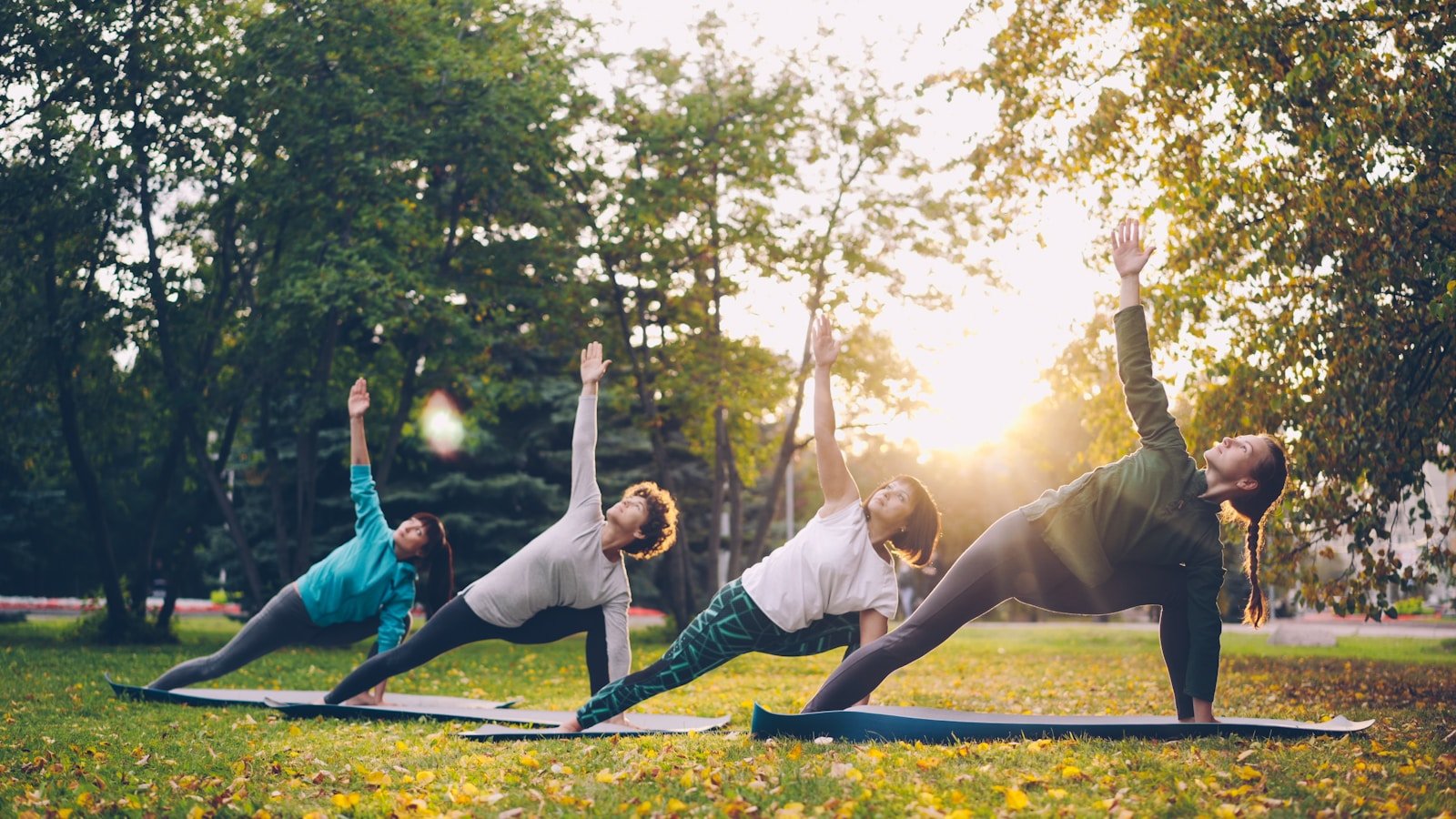
Yoga Enhances Self-awareness
The role of self-awareness in mental well-being
Self-awareness is fundamental to maintaining good mental well-being. It involves a deep understanding of one’s thoughts, emotions, behaviors, and patterns of reaction. Self-awareness empowers individuals to make conscious choices, manage stress, and foster healthy relationships. By cultivating self-awareness, individuals can develop a greater sense of personal responsibility, resilience, and authenticity.
How yoga cultivates self-awareness
Yoga provides a fertile environment for cultivating self-awareness. Through physical postures (asanas), individuals are encouraged to tune in to their bodies, observe sensations, and develop a deeper connection with themselves. The practice of mindfulness in yoga helps individuals become aware of their thoughts, emotions, and mental states without judgment or attachment. By practicing regular self-reflection and introspection, individuals gain insights into their patterns of behavior and thought, promoting self-awareness and personal growth.
The influence of Mindfulness in yoga
Mindfulness is a core component of yoga and plays a crucial role in enhancing self-awareness. By focusing attention on the present moment, non-judgmentally, individuals can cultivate a state of heightened awareness and clarity. Mindfulness practices in yoga involve breath awareness, body scanning, and meditation. They train the mind to shift from rumination and worry to a state of presence and acceptance. By integrating mindfulness into yoga practice and daily life, individuals can deepen their self-awareness, reduce stress, and enhance overall mental well-being.
Conclusion: Integrating Yoga into Regular Routine
Practical steps to start practicing yoga
Integrating yoga into your regular routine doesn’t have to be overwhelming. Start by exploring different styles of yoga and finding one that resonates with you. Consider taking classes at a local studio, watching online tutorials, or using yoga apps. Begin with shorter sessions and gradually increase the duration and intensity of your practice. Find a quiet and comfortable space where you can dedicate time to yourself. Consider investing in a yoga mat, blocks, or props to support your practice. Remember that yoga is a personal journey, and it’s important to listen to your body and honor its individual needs.
Balancing yoga with other mental health strategies
While yoga offers numerous benefits for mental health, it’s essential to balance it with other strategies that support overall well-being. Maintain open communication with healthcare providers and mental health professionals to create a comprehensive approach that fits your unique needs. Consider incorporating other activities such as therapy, meditation, and regular physical exercise to complement your yoga practice. Find a support network or community that shares your interests, providing motivation, encouragement, and a sense of belonging.
The future of yoga and mental health
As the understanding of mental health continues to evolve, the importance of holistic approaches like yoga will likely become more recognized. The integration of yoga into mental health treatment and prevention programs is likely to increase, with more research and studies exploring its efficacy. Yoga offers individuals a practical and accessible way to foster their mental well-being and develop self-care practices. By embracing the benefits of yoga and prioritizing mental health, individuals can lead happier, more balanced lives and contribute to the collective well-being of society.
In conclusion, understanding the necessity of mental health is crucial for overall well-being. Yoga, with its rich history, diverse practices, and proven benefits, provides a powerful tool for promoting mental wellness. From improving concentration and focus to easing stress and anxiety, yoga offers a multifaceted approach to mental well-being. It fosters emotional resilience, helps with depression, improves the quality of sleep, and enhances self-awareness. By integrating yoga into a regular routine and balancing it with other mental health strategies, individuals can embark on a transformative journey of self-discovery and personal growth. The future of yoga and mental health holds immense promise, as more individuals recognize and embrace the profound impact it can have on their lives.
Why Settle for Mediocre Health? 🌱 Elevate Your Wellness Game with Top Experts!