No products in the cart.


Table of Contents
Introduction
Captivating the Senses: Why Saffron is So Unique
Saffron is no ordinary spice. Its vibrant red threads and striking golden hue are matched only by its complex and captivating flavor. Unlike other seasonings that simply enhance a dish, saffron transforms it, adding a depth of flavor that dances between sweet, floral, and earthy. It’s not just a taste; it’s an experience that lingers long after the first bite.
The World’s Most Precious Spice: A Brief Overview
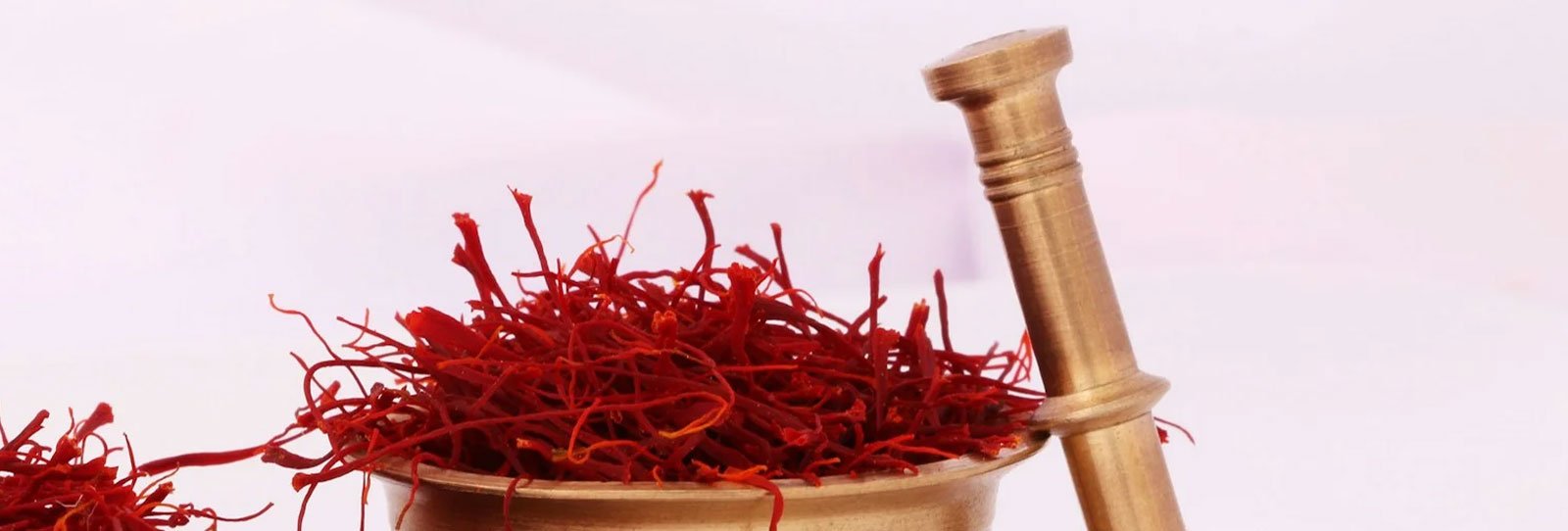
Often referred to as “red gold,” saffron holds the title of the world’s most expensive spice by weight. But why? Its value lies in its labor-intensive harvest and the rarity of its production. Derived from the stigmas of the Crocus sativus flower, saffron requires meticulous care, with thousands of flowers yielding only a few grams of the precious threads.
What is Saffron?
The Origins of Saffron: A Global Journey
Saffron’s history spans centuries and continents. Believed to have originated in ancient Persia, it quickly became a coveted trade item, making its way to Europe, India, and beyond. Its allure was not only culinary but also medicinal and cultural, with mentions of saffron found in ancient texts and folklore.
Harvesting Saffron: The Art of Collecting Gold Threads
Harvesting saffron is a painstaking process. Each flower blooms briefly, requiring farmers to pluck the stigmas by hand at dawn when the blooms are most vibrant. This delicate labor contributes to saffron’s rarity and its reputation as a luxurious ingredient.
The Flavor Profile of Saffron
Unpacking the Taste: A Symphony of Sweet and Earthy Notes
Saffron’s taste is best described as a harmonious blend of sweet and earthy. It’s neither overpowering nor subtle, but a balanced middle ground that enhances rather than dominates a dish.
Aromatic Appeal: How Saffron’s Smell Enhances Its Flavor
Saffron’s aroma is as enchanting as its taste. Its scent is warm, honeyed, and slightly metallic, creating an olfactory experience that complements its unique flavour profile
Does Saffron Taste Bitter? Dispelling Common Myths
There’s a common misconception that saffron tastes bitter. While low-quality or overused saffron can introduce bitterness, authentic saffron offers a smooth, nuanced flavour that’s anything but unpleasant.
How to Describe the Taste of Saffron
Sweet Yet Subtle: The Honey-Like Undertone
One of saffron’s most defining characteristics is its gentle sweetness, reminiscent of honey. This subtle note is what makes saffron versatile enough for both savoury and sweet dishes
Earthy and Woody: The Depth of Saffron’s Flavor
Beneath the sweetness lies an earthy and slightly woody essence, grounding the spice and adding a layer of richness to any dish.
A Hint of Floral: The Delicate Balance
Saffron’s floral undertones are what give it an air of sophistication. It’s not overpowering like rose or lavender but offers a faint whisper of blooms
The Unique Lingering Finish of Saffron
After the initial taste fades, saffron leaves a lingering warmth on the palate, a testament to its complexity and depth.
Comparing Saffron’s Taste to Other Flavors
How Does Saffron Compare to Turmeric?
While both are prized for their vibrant colour, saffron’s flavour is worlds apart from turmeric’s earthy bitterness. Saffron is more refined, offering sweetness and subtlety that turmeric lacks.
Is Saffron Similar to Vanilla or Cinnamon?
Saffron shares a faint sweetness with vanilla but is far less cloying. Unlike cinnamon’s spicy warmth, saffron leans floral and earthy.
Saffron vs. Cardamom: A Flavor Showdown
Saffron and cardamom both bring an exotic flair to dishes, but while cardamom’s flavour is bold and spicy, saffron is understated and elegant.
Factors That Influence Saffron’s Taste
The Role of Quality in Flavor Intensity
The quality of saffron determines its flavour. High-grade saffron, with deep red threads, delivers a concentrated taste, while lower grades often lack depth.
How Freshness Affects Saffron’s Taste
As with most spices, freshness matters. Old saffron loses its potency, resulting in a muted flavour. Proper storage can preserve its taste for longer.
Growing Regions and Their Impact on Flavor
Saffron’s flavour varies based on its region of origin. Iranian saffron tends to be bold and robust, while Spanish saffron is milder and sweeter
Best-selling Saffron Products
Cooking with Saffron
How Saffron Enhances the Flavor of Dishes
A pinch of saffron can elevate the simplest of dishes, imparting a golden hue and a nuanced flavour that transforms the ordinary into the extraordinary.
Dishes That Highlight Saffron’s Unique Taste
From the luxurious Persian rice dish tahdig to Spanish paella and Indian biryanis, saffron is the star ingredient that ties these iconic recipes together.
Tips for Pairing Saffron with Other Ingredients
Saffron pairs beautifully with ingredients like rice, seafood, dairy, and citrus. Its subtle sweetness balances savoury and tart flavours effortlessly.
How to Use Saffron in Everyday Recipes
Infusing Saffron into Teas and Desserts
Saffron tea, with its golden hue and soothing aroma, is a staple in many cultures. It’s also a delightful addition to desserts like panna cotta or kulfi.
Saffron in Savory Dishes: From Paella to Risotto
Whether it’s a creamy risotto or a hearty paella, saffron enhances the flavour while adding a visual pop of colour.
Creative Ways to Incorporate Saffron into Drinks
From saffron-infused cocktails to golden milk lattes, this spice is finding its way into modern beverages, proving its versatility.
The Science Behind Saffron’s Flavor
The Chemical Compounds That Give Saffron Its Taste
Saffron’s taste is attributed to compounds like crocin, picrocrocin, and safranal. These elements work in harmony to produce its distinctive flavour and aroma.
Why Saffron Tastes Different to Different People
Individual taste perception can influence how saffron is experienced. Factors like genetics, taste sensitivity, and cultural palate all play a role.
Conclusion
Saffron: A Taste That Stands the Test of Time
Saffron’s flavour is timeless, transcending cultures and cuisines with its unparalleled complexity and elegance
Embracing the Flavor of Saffron in Your Culinary Adventures
Whether you’re an experienced chef or a curious foodie, exploring saffron’s taste opens the door to a world of culinary wonder. Don’t just taste it—savour it.
FAQs About Saffron’s Taste
Does Saffron Taste the Same in All Cuisines?
While saffron’s base flavour remains consistent, the way it’s used in various cuisines can bring out different aspects of its taste.
Why Does Saffron Taste So Expensive?
Saffron’s taste is a reflection of its rarity, labour-intensive harvest, and unique ability to elevate dishes, making it worth every penny.
Can You Overuse Saffron and Ruin the Flavor?
Yes, too much saffron can overwhelm a dish, introducing bitterness instead of balance. Moderation is key.
Is Saffron’s Taste Worth the Price?
For those who appreciate nuanced flavours and culinary artistry, saffron’s taste is undeniably worth its cost.
What Does Fake Saffron Taste Like?
Fake saffron lacks the depth and complexity of the real deal, often tasting flat or artificially bitter.
Disclosure: As an Amazon Associate, HealThyRam.com earns from qualifying purchases. This comes at no additional cost to you and helps support our work.