

Introduction
Are you looking to enhance the air quality in your home or office? An air purifier is the perfect solution to breathe cleaner, healthier air. With pollution levels rising and indoor allergens often overlooked, having an air purifier is no longer a luxury — it’s a necessity.
Air purifiers are designed to filter out pollutants, allergens, pet dander, dust, smoke, and even harmful bacteria or viruses. Whether you’re dealing with allergies, asthma, or simply want fresher air, choosing the right air purifier can make a significant difference in your health and comfort.
In this guide, we’ll take a deep dive into:
Features of air purifiers
Uses and benefits
Different types of air purifiers
Best-selling models
A detailed buying guide
Filter comparison
Health & environmental benefits
FAQs and final recommendations
By the end of this guide, you’ll be fully equipped to select an air purifier that perfectly fits your lifestyle.
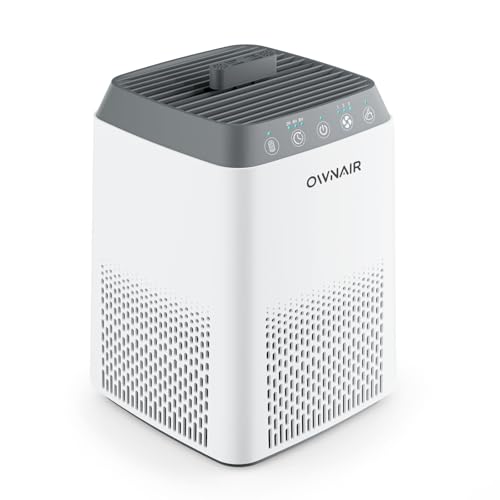

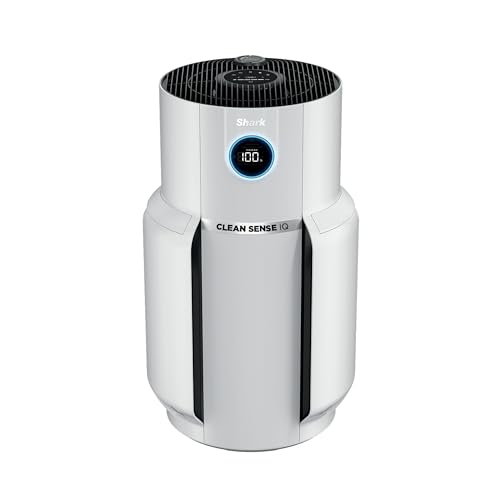
Features of Air Purifiers
Air purifiers come packed with features designed to improve your indoor air quality. Here’s a breakdown of what to look for:
1. Advanced Filtration Systems
Most air purifiers use HEPA filters, capable of trapping 99.97% of particles as small as 0.3 microns. Some also include activated carbon filters for odor and chemical removal. Advanced models may even combine multiple layers of filtration, including pre-filters, HEPA, carbon, and UV-C light, to eliminate a wide range of pollutants.
2. Air Quality Sensors
Many modern air purifiers feature real-time air quality monitoring, automatically adjusting fan speeds and filtration levels based on detected pollutants. This ensures optimal purification without constant manual adjustment.
3. Quiet Operation
A good air purifier should operate quietly, especially in bedrooms or offices. Look for models rated below 50 decibels, which is roughly the sound of a quiet conversation.
4. Energy Efficiency
Energy-conscious users should opt for Energy Star-certified models, which consume less electricity while running 24/7.
5. Smart Features
High-end air purifiers may come with Wi-Fi connectivity, mobile apps, and voice control, making it easy to monitor and control air quality from anywhere.
6. Compact and Stylish Design
Air purifiers are now designed to blend seamlessly with your home décor. From sleek modern units to portable travel-sized models, there’s an option for every space.
Uses of Air Purifiers
Air purifiers offer a wide range of benefits:
1. Allergy Relief
Filters out pollen, dust mites, mold spores, and other allergens — providing relief for allergy sufferers.
2. Asthma Management
Removes airborne irritants that can trigger asthma symptoms, making breathing easier for those with respiratory conditions.
3. Eliminating Odors
Neutralizes odors from pets, cooking, smoke, and chemical fumes, leaving your home smelling fresh.
4. Improving Sleep
Clean air contributes to better sleep quality by reducing irritants and noise from fan operation, promoting a restful environment.
5. Health Protection
Removes bacteria, viruses, and harmful chemicals, supporting overall wellness and immunity.
6. Reducing Pet Dander
Helps pet owners manage dander and fur, reducing irritation for sensitive family members.
Types of Air Purifiers
Air purifiers come in different technologies, each with unique advantages:
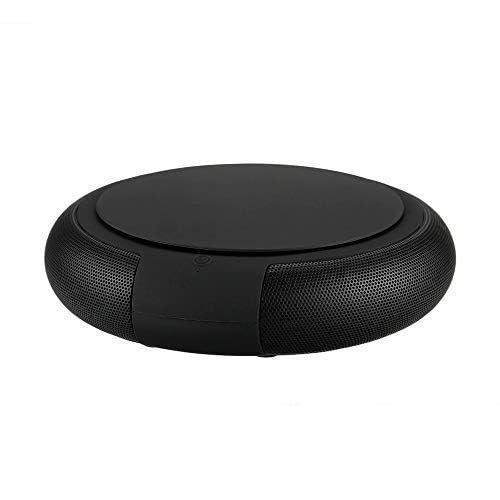
1. Air Ionizers
Air ionizers release negatively charged ions that attach to airborne particles, causing them to settle or stick to collection plates. They are quiet, chemical-free, and effective at removing dust, pollen, and smoke.


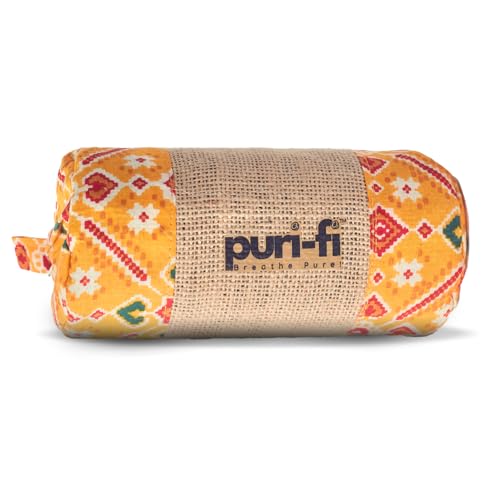
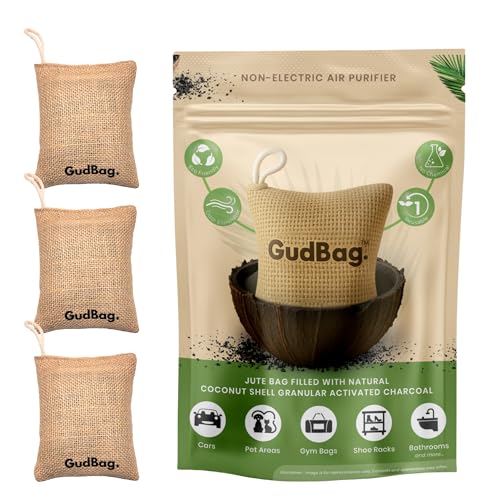
2. Charcoal Air Purifiers
Activated charcoal filters excel at removing odors, smoke, and VOCs (volatile organic compounds). Ideal for kitchens, smoking areas, or homes with pets.

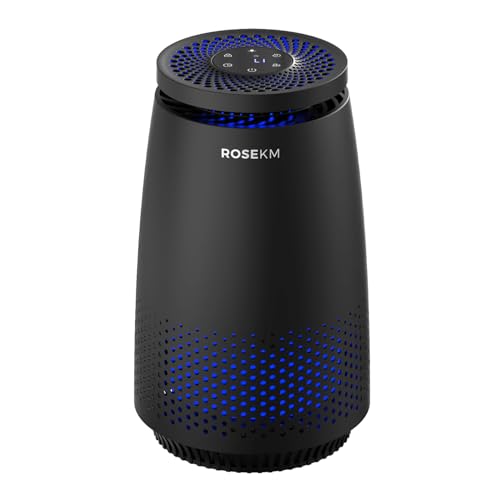
3. HEPA Air Purifiers
HEPA (High Efficiency Particulate Air) filters trap 99.97% of particles as small as 0.3 microns, making them perfect for allergy and asthma sufferers.
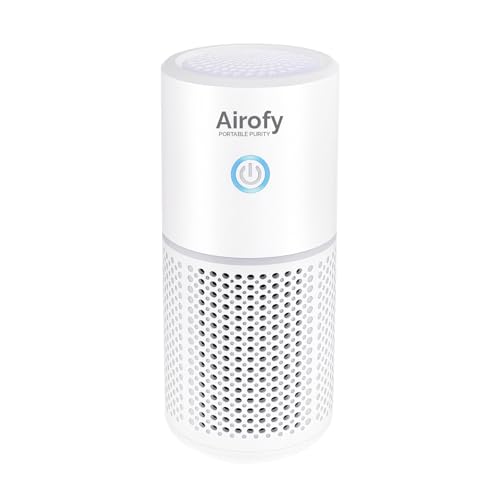
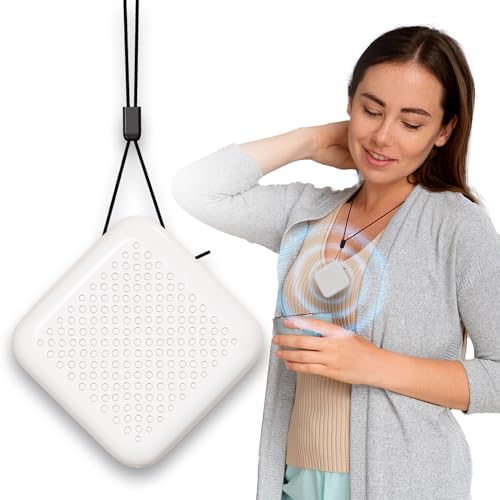
4. Portable Air Purifiers
Compact and travel-friendly, portable air purifiers are great for small rooms, cars, or personal use, maintaining clean air wherever you go.

5. ULPA Air Purifiers
ULPA (Ultra-Low Penetration Air) filters are even more precise than HEPA, capturing up to 99.999% of particles as small as 0.12 microns. Used in hospitals and laboratories, they ensure ultra-clean environments.
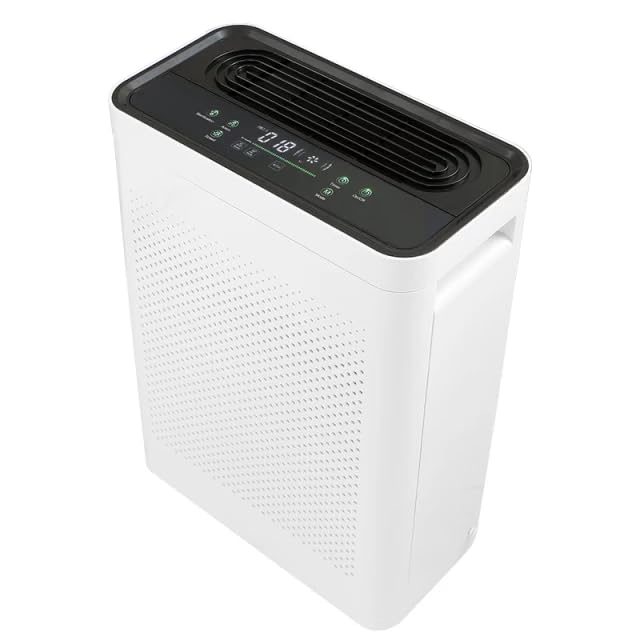
Best-Selling & Top-Rated Air Purifiers
Here are some of the most popular and highly rated air purifiers you can explore
Air Purifier Buying Guide
Choosing the right air purifier can feel overwhelming, but understanding key factors will simplify the process. Here’s what to consider:
1. Coverage Area
Air purifiers are rated for specific room sizes. Look at CADR (Clean Air Delivery Rate) ratings: higher CADR means faster and more efficient air cleaning. For larger spaces, choose a purifier with higher CADR to ensure full coverage.
2. Filtration System
Different filters target different pollutants:
- HEPA Filters: Capture allergens, dust, pollen, and fine particles.
- Activated Carbon Filters: Remove odors, smoke, and VOCs.
- UV-C Light: Kills germs, bacteria, and viruses for improved hygiene.
- Pre-Filters: Trap larger particles to extend main filter life.
3. Noise Levels
Check the decibel (dB) rating. Bedroom use may require quiet or sleep modes, while larger living areas may tolerate higher fan speeds.
4. Energy Efficiency
Continuous operation can increase electricity costs. Look for Energy Star-certified units to reduce energy consumption without compromising performance.
5. Smart Features
Wi-Fi connectivity, mobile apps, and voice assistant compatibility add convenience. You can monitor air quality, set schedules, and receive alerts remotely.
6. Maintenance
Consider filter replacement frequency and cost. Easily accessible filters save time and effort. Some models have washable pre-filters to reduce long-term costs.
7. Budget
Air purifiers range from affordable basic units to premium models with multi-stage filtration and smart features. Balance your needs with your budget to get the best value.
Comparison Table of Air Purifier Filter Technologies
| Filter Type | What It Removes | Pros | Cons | Best Use |
|
HEPA |
Dust, pollen, mold spores, pet dander |
Highly effective for allergens |
Needs regular replacement |
Bedrooms, allergy sufferers |
|
Activated Carbon |
Smoke, odors, VOCs |
Removes gases & odors |
Does not capture fine dust particles |
Kitchens, smoking areas, pets |
|
Ionizer |
Dust, smoke, pollen (via ions) |
Quiet, chemical-free |
May produce ozone in some models |
Small spaces, low-maintenance |
|
UV-C Light |
Bacteria, viruses, germs |
Kills pathogens effectively |
Does not remove dust or odors |
Medical or high-hygiene areas |
|
ULPA |
Ultra-fine particles, microscopic pollutants |
Extremely high filtration efficiency |
Expensive, large units |
Hospitals, labs, clean rooms |
|
Pre-Filter |
Large dust, hair, pet fur |
Protects main filters, reusable |
Minimal air cleaning on its own |
All purifiers as a first layer |
Health & Environmental Benefits of Air Purifiers
1. Allergy and Asthma Relief
Air purifiers remove airborne allergens and irritants, reducing allergy flare-ups and asthma triggers. Cleaner air can mean fewer sneezes, less congestion, and easier breathing.
2. Reduced Risk of Airborne Illness
Filters and UV-C technology can remove bacteria and viruses from the air, decreasing the likelihood of illness spread, especially in shared indoor spaces.
3. Odor Control
Activated carbon and hybrid filters absorb smoke, cooking odors, and chemical fumes, creating a fresher, more pleasant indoor environment.
4. Better Sleep Quality
Reduced irritants and allergens help minimize nighttime congestion and coughing, promoting deeper and more restorative sleep.
5. Improved Productivity and Focus
Clean air supports better cognitive function, mental clarity, and concentration — ideal for home offices and study environments.
6. Environmental Benefits
Modern air purifiers can contribute to a healthier home ecosystem:
- Reduce exposure to chemical pollutants
- Help maintain cleaner indoor surfaces
- Decrease the need for chemical air fresheners
Frequently Asked Questions (FAQs)
1. How often should I replace air purifier filters?
- HEPA filters: Typically every 6–12 months
- Carbon filters: Every 3–6 months
- Pre-filters: Can be washed or vacuumed monthly
2. Do air purifiers remove viruses?
Yes, air purifiers with HEPA and UV-C technology can capture or neutralize airborne viruses, reducing the risk of spread.
3. Can air purifiers help with smoke from wildfires?
Absolutely. HEPA and activated carbon filters are effective at trapping fine particulate matter (PM2.5) from wildfire smoke, improving indoor air quality significantly.
4. Are air purifiers safe for pets and children?
Yes, most air purifiers are safe. Avoid models that produce ozone, as high levels can irritate lungs. Opt for HEPA or hybrid units instead.
5. Can I run my air purifier 24/7?
Yes. Modern purifiers are designed for continuous operation and energy-efficient use, especially Energy Star-certified models.
6. Where should I place my air purifier?
Place it in central locations, away from walls or furniture that block airflow. Bedrooms, living rooms, and offices are ideal spots.
7. Do small air purifiers work for large rooms?
No. Choose a purifier with a CADR rating that matches or exceeds your room size for effective performance.
Final Thoughts & Call to Action
Investing in an air purifier is an investment in your health, comfort, and well-being. With so many options available — from HEPA and ULPA to portable and hybrid ionizer models — there’s a perfect solution for every home and lifestyle.
Clean air can:
- Reduce allergies and asthma triggers
- Improve sleep and focus
- Eliminate odors and chemical pollutants
- Protect you and your family from airborne pathogens
When choosing an air purifier:
- Consider your room size and coverage needs
- Choose the right filter type based on your health priorities
- Look for energy efficiency, quiet operation, and smart features
- Factor in maintenance costs and filter replacement schedules
Ready to breathe easier? Explore top-rated air purifiers today and transform your indoor air quality. Your lungs (and your loved ones) will thank you!
Disclosure: As an Amazon Associate, HealThyRam.com earns from qualifying purchases. This comes at no additional cost to you and helps support our work.
Disclaimer: The content/information provided above is for informational purposes only and is not medical advice. Always consult a qualified healthcare professional for any medical concerns or before changing your diet or health routine.
