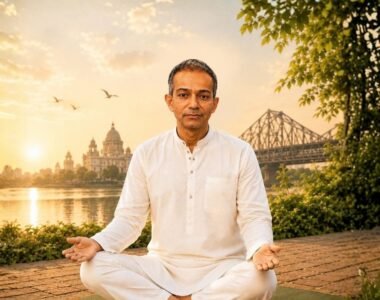
Are you on a quest to discover optimal wellness? Look no further! In this article, we will unveil the best Ayurveda doctors near you, providing you with a comprehensive guide to finding holistic health practitioners. From understanding the ancient roots of Ayurvedic medicine to integrating Ayurveda into your daily life, we will explore the benefits of Ayurvedic treatments, help you find a qualified Ayurveda doctor, compare Ayurveda to other holistic practices, delve into insurance coverage for holistic treatments, share real-life patient stories, and highlight the importance of supporting local Ayurvedic practitioners. Get ready to embark on a journey towards holistic wellness and uncover the personal and community benefits of finding a good Ayurveda doctor.
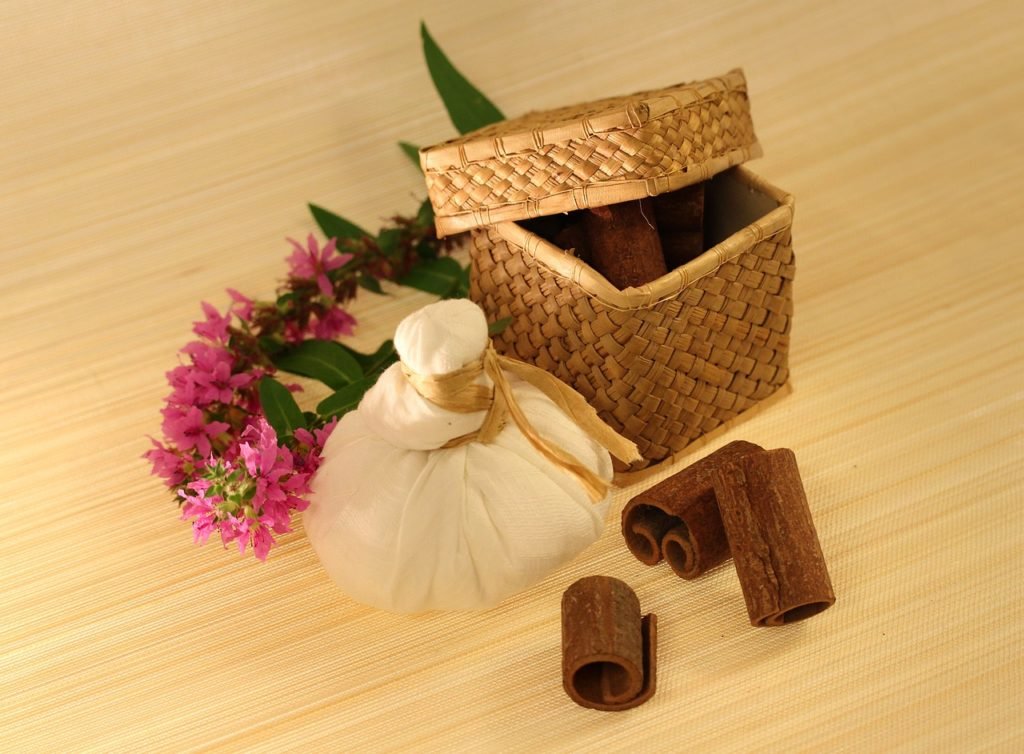
Consult Ayurveda Doctor online at HealThyRam, now!
Introduction
Ayurveda, an ancient system of medicine rooted in the Indian subcontinent, has been gaining popularity in recent years as people seek holistic approaches to their health and well-being. This comprehensive system focuses on understanding the body’s unique constitution and uses natural remedies and practices to promote balance and harmony. In this article, we will explore the origins of Ayurveda, its resurgence in modern times, and the personal journey towards finding an Ayurveda doctor who can guide you on your path to wellness.
Understanding Ayurveda
At the core of Ayurvedic medicine is the belief that everything in the universe is made up of five elements – space, air, fire, water, and earth. These elements combine in the body to form three doshas – Vata (space and air), Pitta (fire and water), and Kapha (water and earth). Each person has a unique combination of these doshas, which determines their physical, mental, and emotional characteristics. Ayurveda emphasizes balance and harmony within these doshas to achieve optimal health.
The holistic approach of Ayurveda recognizes that the mind, body, and spirit are interconnected and must be addressed collectively for overall well-being. Ayurvedic treatments focus not only on alleviating symptoms but also on addressing the root cause of the imbalance. By promoting healthy lifestyle practices, dietary changes, herbal remedies, and therapies like massage and meditation, Ayurveda aims to restore balance and harmony in all aspects of life.
The benefits of Ayurvedic treatments are wide-ranging. They not only help in the prevention and management of various diseases but also promote mental clarity, emotional stability, and spiritual growth. Ayurveda offers a holistic approach to health that can enhance your overall quality of life.
Unlock Natural Healing with Ayurveda Experts at HealThyRam.com!
What to Expect from an Ayurveda Doctor
When you visit an Ayurveda doctor, you can expect a comprehensive approach to your health and well-being. The initial consultation will involve an in-depth assessment of your physical, mental, and emotional state to determine your dosha constitution. This understanding will guide the personalized treatment plan that the Ayurveda doctor will create for you.
The treatment plan may include dietary recommendations, herbal remedies, lifestyle changes, and specific therapies tailored to your needs. Ayurveda doctors understand that each person is unique, and they will work with you to create a plan that suits your individual needs and goals.
Your relationship with your Ayurveda doctor goes beyond the initial consultation. It is a journey towards balance, where the doctor will monitor your progress, make adjustments to the treatment plan as necessary, and offer support and guidance along the way. The goal is to empower you to take charge of your health and make sustainable changes that promote long-term well-being.
How to Find a Qualified Ayurveda Doctor
When seeking an Ayurveda doctor, it is essential to ensure that they have the necessary qualifications and expertise. Look for certifications from recognized Ayurvedic institutions or organizations. These certifications indicate that the doctor has undergone the required training and has met the standards set by the Ayurvedic community.
Word-of-mouth recommendations can also be invaluable in finding a reputable Ayurveda doctor. Ask friends, family, or colleagues who have had positive experiences with Ayurvedic treatments for their recommendations. Reading online reviews and testimonials can provide further insight into the quality of care provided by different doctors.
Online directories dedicated to Ayurvedic practitioners can also be a helpful resource. These directories often provide information about the doctor’s qualifications, specialties, and contact details. They serve as a modern-day yellow pages, making it easier to find Ayurveda doctors in your area.
Local Ayurveda Practitioners: A Closer Look
Supporting local Ayurveda practitioners not only benefits your health but also contributes to the well-being of the community. Local clinics and practitioners play an essential role in providing accessible and personalized care to individuals seeking Ayurvedic treatments.
Take a closer look at local clinics and practitioners in your area to learn more about the specialized treatments they offer. Some clinics may specialize in panchakarma (detoxification) therapies, while others may focus on specific conditions such as stress management, digestive disorders, or hormonal imbalances. Understanding their areas of expertise can help you find the right practitioner for your needs.
Community involvement and workshops are another aspect to consider when choosing an Ayurveda doctor. Many practitioners actively engage with the community by offering workshops, seminars, and educational programs on Ayurvedic principles and practices. Participating in these events can deepen your understanding of Ayurveda and create a sense of camaraderie with like-minded individuals.
Integrating Ayurveda into Your Daily Life
Ayurveda is not just about seeking treatment from a doctor; it is a way of life. There are several practices you can incorporate into your daily routine to enhance your well-being. These Do-It-Yourself (DIY) practices include self-massage, yoga, meditation, and mindful eating.
Attending local workshops and community groups dedicated to Ayurveda can provide valuable guidance and support. These gatherings offer the opportunity to learn from experts, share experiences with others, and gain inspiration to continue on your path towards holistic wellness.
Maintaining a balanced life is key to integrating Ayurveda into your daily routine. This includes adopting a balanced diet, managing stress, getting enough sleep, and nurturing positive relationships. Ayurveda recognizes that true health is not just the absence of disease but a state of overall well-being in all aspects of life.
Comparing Ayurveda to Other Holistic Practices
Ayurveda is just one of several holistic practices that promote health and well-being. Understanding how Ayurveda compares to other practices can help you make informed decisions about your healthcare choices.
Traditional Chinese Medicine (TCM) shares many similarities with Ayurveda, including a focus on balance and energy flow in the body. However, the diagnostic methods and treatments used in TCM differ from those of Ayurveda. TCM primarily uses acupuncture, herbal medicine, and dietary therapies to restore balance.
Homeopathy, on the other hand, is based on the principle of “like cures like.” It uses highly diluted substances to stimulate the body’s self-healing abilities. While Ayurveda and homeopathy both emphasize individualized treatment, the underlying theories and methods differ significantly.
Yoga and meditation, although often associated with Ayurveda, are distinct practices in themselves. Ayurveda provides a framework for healthy living, while yoga and meditation focus on specific physical postures and mindfulness practices, respectively. However, they complement each other well and are often used together in holistic health approaches.
Insurance and Ayurvedic Treatments
The availability of insurance coverage for Ayurvedic treatments varies. While some insurance plans may offer coverage for certain aspects of Ayurvedic care, others may not recognize it as a reimbursable healthcare expense. It is essential to check with your insurance provider to understand the specifics of your coverage.
Out-of-pocket costs for Ayurvedic treatments can vary depending on the treatment modality, practitioner, and location. Ayurvedic treatments are often viewed as an investment in your health and well-being. While the upfront costs may seem higher compared to conventional treatments, the long-term benefits and prevention of potential health issues can make it a worthwhile investment.
When working with insurance companies, it can be helpful to provide them with the necessary documentation, such as receipts and treatment plans, to support your claims for reimbursement. Educating yourself about insurance companies’ policies and procedures related to holistic treatments can help navigate the process more effectively.

Patient Stories: Real-life Experiences
Real-life experiences of individuals who have benefited from Ayurvedic treatments can provide valuable insights and inspiration. Interviews with local patients can shed light on their journey towards wellness, their initial skepticism, and the positive transformations they have experienced.
Before and after stories highlight the significant impact Ayurveda has had on individuals’ lives. These stories often reveal the effectiveness of Ayurvedic treatments in managing chronic illnesses, improving emotional well-being, and restoring overall balance.
Skepticism is a common hurdle that individuals encounter when considering Ayurveda. However, hearing stories of transformation can help overcome this skepticism and encourage others to explore the benefits of Ayurveda for themselves.
FAQs
What is the MECE Framework?
The MECE (Mutually Exclusive, Collectively Exhaustive) framework is a way of organizing information or analyzing a problem in a structured and logical manner. It ensures that all possible options are considered while avoiding duplication or overlap. In Ayurveda, the MECE framework can be used to identify different treatment options for a particular health condition or to categorize various Ayurvedic practices.
How can Ayurveda complement conventional medicine?
Ayurveda can complement conventional medicine by providing a holistic approach that addresses the root cause of health issues. It focuses on prevention, lifestyle modifications, and natural remedies alongside conventional treatments. Ayurveda can enhance the effectiveness of conventional medicine and support overall well-being.
What should I look for in a reputable Ayurveda practitioner?
When seeking an Ayurveda practitioner, it is essential to look for certifications from recognized Ayurvedic institutions. These certifications indicate that the practitioner has undergone the necessary training and meets industry standards. Recommendations, online reviews, and testimonials from previous patients can also provide insight into the quality of care provided by the practitioner.
How can I verify the qualifications of an Ayurveda doctor?
You can verify the qualifications of an Ayurveda doctor by checking their certifications and affiliations with recognized Ayurvedic institutions or organizations. These institutions often have directories or databases that allow you to verify a practitioner’s credentials. It is also a good idea to inquire about the doctor’s training, years of experience, and specialization in specific areas of Ayurveda.
Can I integrate Ayurvedic practices into my daily routine without a doctor?
While working with an Ayurveda doctor provides personalized guidance and support, you can incorporate Ayurvedic practices into your daily routine without a doctor. Adopting healthy lifestyle practices, such as mindful eating, practicing yoga and meditation, and using herbal remedies, can promote overall well-being. However, it is advisable to consult with an Ayurveda doctor if you have specific health concerns or if you want to create a tailored treatment plan.
Dive into Wellness! Book Your Ayurveda Session at HealThyRam.com!