In the bustling world of the 21st century, juggling a myriad of roles and expectations has become a part of our daily grind. “Promoting Mental Health Awareness” serves as the beacon of light, guiding you through the darkness and confusion that often engulfs discussions about mental health. It’s a discussion that focuses on breaking down the stigma surrounding mental health, highlighting the importance of understanding its complexities, and paving the way for a society that is educated, compassionate, and supportive. Embrace this transformation as you learn about strategies to promote mental health awareness, and in turn, contribute to building a healthier, more understanding world.

Register for Support to Empower – World Mental Health Day Event
Understanding Mental Health
Understanding mental health begins with defining what exactly it means.
Definition of Mental Health
Mental health, as defined by the World Health Organization, is not simply the absence of mental illness. It involves a state of well-being where you can realize your own potential, cope with the normal stresses of life, work productively, and contribute to your community.
Importance of Mental Health
The importance of mental health lies in its relationship to everything else in your life. Mental health impacts your thoughts, behaviors, and emotions. Having good mental health can improve your quality of life, while poor mental health can make it difficult to manage stress, relate to others, and make healthy decisions.
Common Misconceptions about Mental Health
stigma and misunderstanding often surround mental health. Some people believe that mental health problems are just a part of life or a sign of weakness, that they can simply be overcome with willpower, or that therapy and self-care aren’t necessary. These misconceptions are not only incorrect but can also prevent people who are struggling from seeking the help they need.
Types of Mental Health Disorders
There are several types of mental health disorders, each with its own symptoms and effects.
Anxiety Disorders
Anxiety disorders are characterized by excessive worry or fear. There are several different types, including generalized anxiety disorder, panic disorder, and social anxiety disorder.
Mood Disorders
Mood disorders involve persistent feelings of sadness or periods of feeling overly happy, or fluctuations from extreme happiness to extreme sadness. The most common mood disorders are depression, bipolar disorder, and cyclothymic disorder.
Psychotic Disorders
Psychotic disorders involve distorted awareness and thinking. Schizophrenia is an example of a psychotic disorder.
Eating Disorders
Eating disorders involve preoccupations with food, body weight, and shape. Anorexia nervosa, bulimia nervosa, and binge eating disorder are the most common eating disorders.
Addiction Disorders
Addiction and substance use disorders involve the overuse of alcohol or drugs. People with these disorders have an intense focus on using a certain substance(s) to the point that it takes over their life.
Register for Support to Empower – World Mental Health Day Event
Signs and Symptoms of Mental Health Issues
Being able to recognize the signs and symptoms of mental health issues is critical to intervening early.
Changes in Behavior or Personality
Noticeable changes in behavior or personality can be a sign of a mental health problem. This may involve a drastic change in habits, sudden mood swings, or increased agitation.
Social Withdrawal
Withdrawing from friends, family, and activities can be a symptom of a mental health issue. This could mean you no longer engage in activities you once enjoyed or avoiding social situations.
Difficulties with Daily Tasks
Struggling to concentrate, remember details, or make decisions are all potential signs of a mental health issue. These difficulties can interfere with everyday tasks, like work or school.
Unexplained Physical Illnesses
Physical symptoms like headaches, back pain, stomach aches, or other unexplained aches and pains can be signs of mental health problems. Always tired? That could be a sign too.
The Impact of Mental Health on Individuals and Society
The impact of mental health is far-reaching, affecting both individuals and society as a whole.
Effects on Personal Life
On a personal level, mental health issues can affect your ability to form and maintain relationships, take care of yourself, and manage your overall quality of life.
Effects on Work or School Performance
Mental health problems can impact your ability to focus, be productive, and perform effectively. This can mean missing work or school, struggling to complete tasks, or having difficulty interacting with colleagues or classmates.
Economic Impact
The economic impact of mental health is significant. It includes the costs of treatment, as well as lost work or education opportunities. Society also bears the cost of healthcare systems, prisons, and social programs that are needed to manage mental health issues.
Impact on Public Health
Poor mental health contributes to higher rates of physical illness, substance misuse, and suicide. It also places a heavy burden on our healthcare systems.
The Role of Stigma in Mental Health
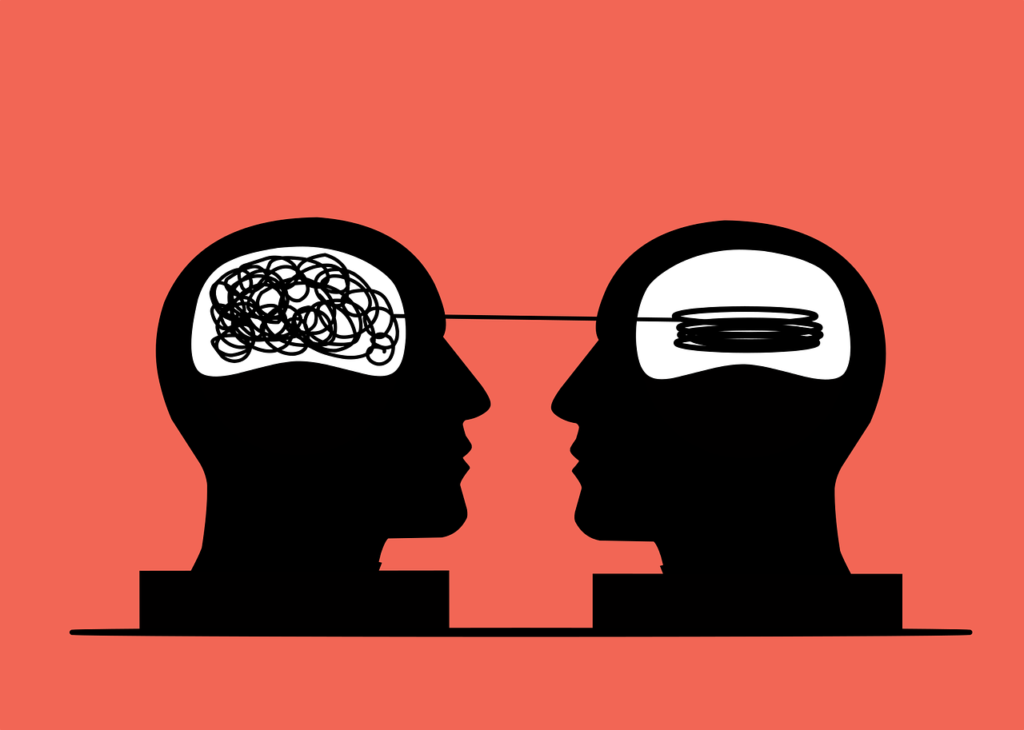
Negative attitudes and misunderstandings can add to the difficulties of people with mental health conditions, causing them to feel ashamed and alone.
Understanding Stigma
Stigma involves negative attitudes, beliefs, and stereotypes that people have about those with mental health issues. It can lead to discrimination, bullying, and unfair treatment.
Consequences of Stigma
Stigma can have serious social and emotional effects. It can prevent people from seeking help, make recovery more difficult, and isolate those who are mentally ill.
Combating Stigma
Combating stigma involves raising awareness, promoting understanding, and challenging negative attitudes and behaviour.
Role of Media and Society in Propagating Stigma
Media and society play a large role in spreading stigma. They often portray mental illness in a negative light, leading to fear, misunderstanding, and discrimination.
Importance of Mental Health Awareness
Mental health awareness is crucial for combatting stigma, promoting understanding, and supporting those who are struggling.
Promoting Empathy and Understanding
Promoting mental health awareness can help foster empathy and understanding. It helps people realize that mental health issues aren’t something to be feared or shamed.
Encouraging Early Intervention
Awareness can promote early intervention, which can greatly improve the prognosis for many mental health conditions.
Preventing Suicide
Raising awareness about mental health can help prevent suicide by promoting understanding and encouraging people to seek help.
Reducing Stigma
Increasing understanding about mental health can help reduce stigma, discrimination, and negative attitudes.
Establishing Mental Health Policies in Workplaces
Mental health policies can help promote mental health in the workplace, and help those who are struggling to get the support they need.
Benefits of Mental Health Policies
Well-established mental health policies can help create a positive work environment, improve productivity and morale, and reduce costs associated with mental health issues.
Key Elements of a Mental Health Policy
Key elements of a workplace mental health policy include promoting mental health, preventing mental health problems, providing support for those who are struggling, and maintaining confidentiality of mental health information.
Implementing and Monitoring Mental Health Policies in the Workplace
Implementation involves creating a plan and following through with it. Monitoring allows for changes or improvements based on feedback and results.
Mental Health Education and Advocacy
Mental health education and advocacy are fundamental in promoting understanding and challenging negative attitudes.
Role of Mental Health Education
Education helps people understand mental health issues, reduces stigma, and promotes early intervention.
Promoting Mental Health in Schools
Schools play an important role in promoting mental health. They can introduce students to good mental health practices, provide support to students who are struggling, and foster understanding and empathy.
Promoting Mental Health in Community Settings
Community settings, like recreation centers, libraries, and local gatherings, can be a great platform for promoting mental health awareness and understanding.
Role of Advocacy in Promoting Mental Health
Advocacy involves fighting for the rights and needs of people with mental health issues. Advocates work to change policies, create services, and promote understanding.

Access and Barriers to Mental Health Services
Access to mental health services is essential, but not everyone is able to access the help they need.
Availability of Mental Health Services
Despite the widespread need for mental health services, many people lack access to quality care. This could be due to a shortage of trained professionals, lack of nearby services, or insufficient public funding.
Financial Constraints
Financial constraints can be a significant barrier to mental health services. Out-of-pocket costs and lack of insurance can prevent many people from seeking the help they need.
Psychological Barriers
Feelings of embarrassment, fear, or denial can stop people from seeking help. These feelings can be reinforced by stigma around mental health.
Socio-cultural Barriers
Socio-cultural barriers include language barriers, limited understanding of mental health, and cultural beliefs or stereotypes that discourage seeking help.
Promoting Mental Health Awareness through Social Media
Social media is a powerful tool that can be used to promote mental health awareness.
Utilizing Social Media for Education
Social media can be used to educate people about mental health, reduce stigma, and encourage help-seeking behaviour.
Role of Influencers in Spreading Awareness
Influencers can have a big impact on spreading mental health awareness. Their platforms give them a reach that can be used to promote understanding and empathy.
Considerations when Using Social Media for Mental Health Awareness
While social media is a powerful tool, it’s vital to use it responsibly. This means avoiding spreading misinformation, promoting harmful behaviours, or making light of serious mental health issues.
Register for Support to Empower – World Mental Health Day Event