No products in the cart.
Introduction to Pranayama
Pranayama, derived from the Sanskrit words “prana” (life force) and “ayama” (extension), is a crucial component of yoga that focuses on breath control techniques. These ancient practices are designed to help individuals achieve balance, tranquility, and overall well-being. This article will explore the origins, benefits, types, and applications of pranayama in various settings.
Table of Contents
The Origins of Pranayama
Pranayama has its roots in ancient India, where it was first documented in sacred texts like the Bhagavad Gita and the Yoga Sutras of Patanjali. These texts emphasized the importance of mastering the breath to achieve a state of harmony between the body, mind, and spirit. Pranayama was thus seen as an essential tool for self-realization and spiritual growth.
Benefits of Pranayama
Physical Benefits
- Improved lung capacity and respiratory function
- Enhanced blood circulation
- Strengthened immune system
- Stabilized blood pressure and heart rate
- Detoxification of the body
Mental Benefits
- Reduced stress and anxiety
- Increased focus and concentration
- Enhanced cognitive function
- Improved emotional regulation
- Greater mental clarity and self-awareness
Spiritual Benefits
- Heightened sense of inner peace
- Deeper connection to the present moment
- Expansion of consciousness
- Cultivation of self-realization and enlightenment
- Stronger connection to one’s inner self and the universe
Types of Pranayama
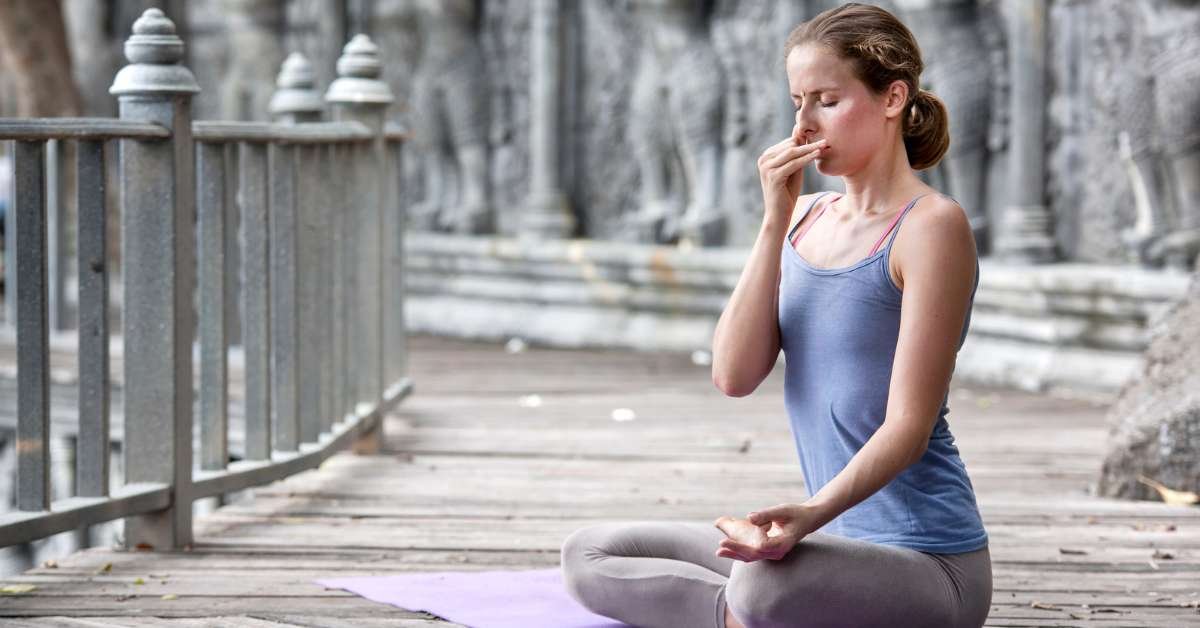
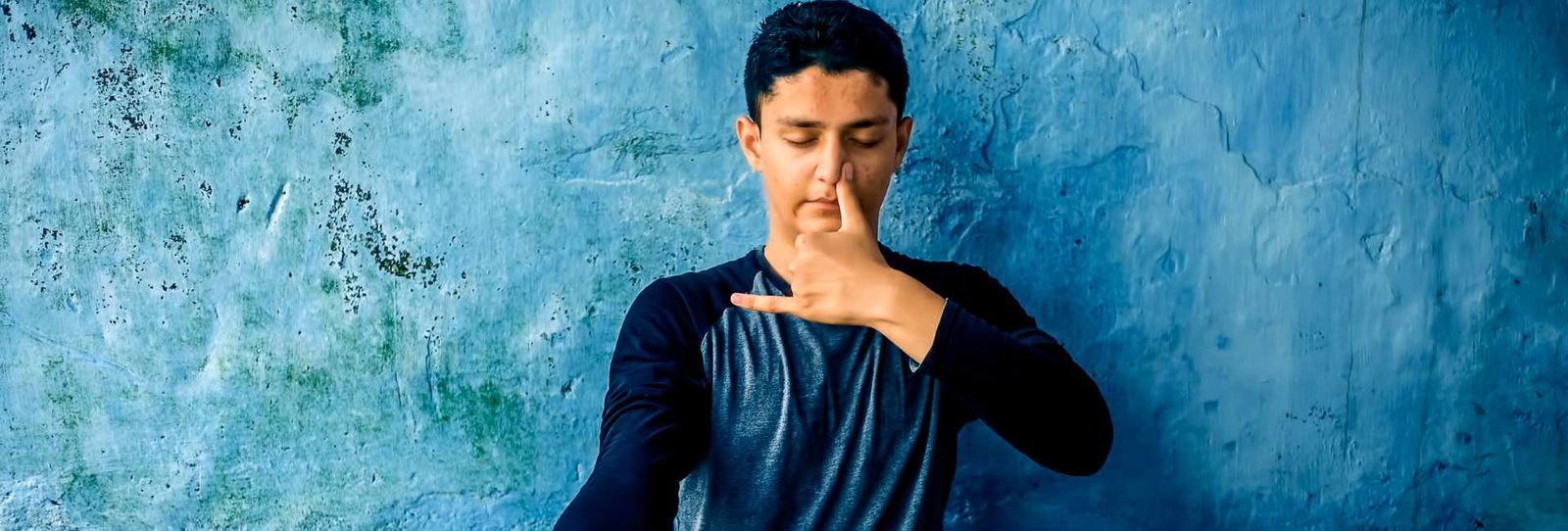
Anulom Vilom
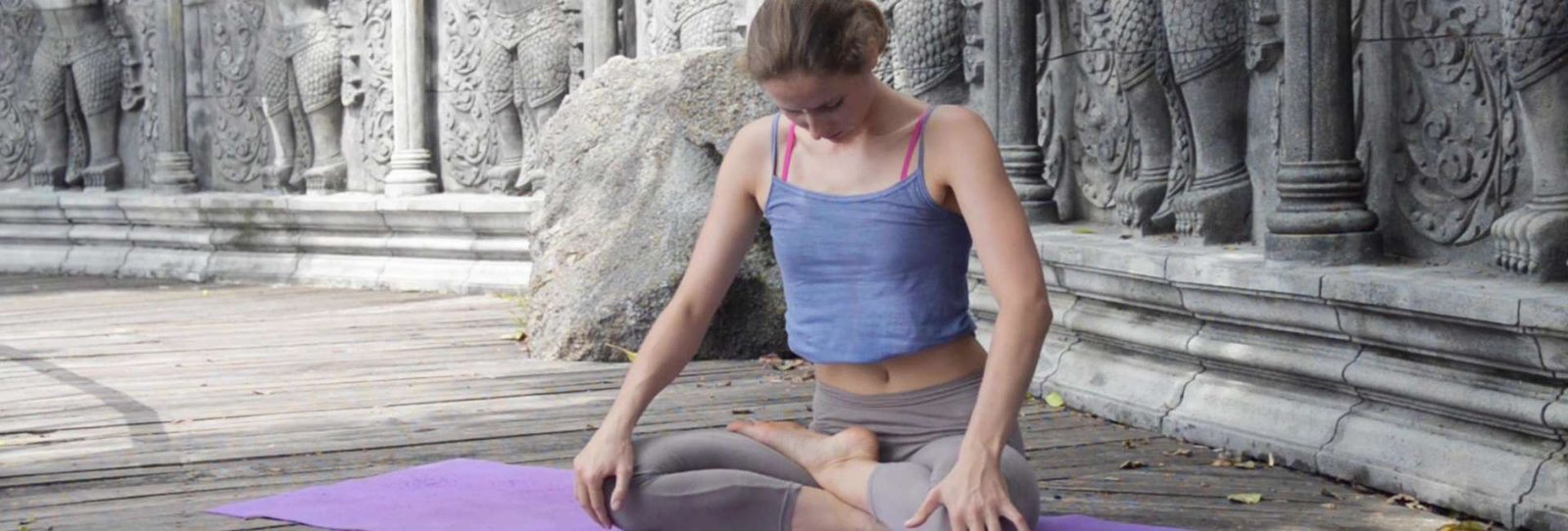
Anulom Vilom, also known as alternate nostril breathing, involves inhaling through one nostril, retaining the breath, and then exhaling through the other nostril. This practice helps balance the two hemispheres of the brain, promoting mental clarity and relaxation.
Kapalbhati
Kapalbhati, or skull-shining breath, is characterized by short, forceful exhalations followed by passive inhalations. This technique helps cleanse the respiratory system, boost energy levels, and improve digestion.
Bhastrika
Bhastrika, or bellows breath, involves rapid, forceful inhalations and exhalations. This powerful technique helps increase lung capacity, stimulate blood circulation, and energize the body and mind.
Ujjayi
Ujjayi, or victorious breath, is performed by constricting the back of the throat while breathing in and out through the nose. This practice generates a soothing sound, calms the mind, and increases concentration.
Sitali and Sitkari
Sitali and Sitkari are cooling pranayama techniques that involve inhaling through the mouth and exhaling through the nose. These practices help lower body temperature, reduce stress, and alleviate thirst.
Guidelines for Practicing Pranayama
- Practice in a quiet, well-ventilated space.
- Sit in a comfortable, upright position with a straight spine.
- Focus on maintaining a slow, steady breath.
- Start with a few minutes of practice and gradually increase the duration.
- Never force the breath or strain the body.
Common Mistakes and How to Avoid Them
- Breathing too quickly or forcefully: Focus on maintaining a slow, steady pace.
- Straining the body: Relax the body and avoid any discomfort or pain.
- Holding the breath for too long: Find a comfortable breath retention duration that works for you.
- Practicing with a full stomach: Wait at least 2-3 hours after eating before practicing pranayama.
- Ignoring the body’s signals: Pay attention to how your body feels and adjust your practice accordingly.
How to Integrate Pranayama into Your Daily Routine
- Set aside a specific time each day for practice.
- Use pranayama as a warm-up before your yoga or meditation session.
- Practice during short breaks at work or school to recharge your energy.
- Combine pranayama with mindfulness techniques for enhanced mental clarity.
- Experiment with different techniques to find the ones that best suit your needs and preferences.
Contraindications and Precautions
Certain pranayama techniques may not be suitable for individuals with specific health conditions, such as asthma, heart problems, or high blood pressure. It’s essential to consult a qualified yoga teacher or healthcare professional before starting a pranayama practice to ensure your safety.
Pranayama for Different Health Conditions
Asthma
Techniques like Anulom Vilom and Ujjayi can help improve lung capacity and ease breathing difficulties associated with asthma.
Practices like Sitali, Sitkari, and deep diaphragmatic breathing can help alleviate stress and anxiety by activating the body’s relaxation response.
Insomnia
Pranayama techniques like Nadi Shodhana and Bhramari can help calm the mind and induce a state of relaxation, making it easier to fall asleep.
Pranayama for Different Age Groups
Pranayama can be adapted to suit the needs of individuals across various age groups, including children, adults, and seniors. However, it’s essential to consult a qualified teacher to ensure the proper technique and guidance.
Pranayama in Corporate Settings
Incorporating pranayama into the workplace can help employees manage stress, boost productivity, and enhance overall well-being. Employers can offer on-site pranayama classes or encourage employees to practice during breaks for maximum benefits.
Pranayama in Educational Settings
Integrating pranayama into the school curriculum can help students improve focus, manage stress, and develop emotional resilience. Teachers can guide students through simple breathing techniques during class or as part of a mindfulness program.
The Future of Pranayama
As awareness about the benefits of pranayama continues to grow, we can expect to see more widespread adoption of these practices in various settings, including healthcare, sports, and mental health fields. Ongoing research will further validate the effectiveness of pranayama and contribute to the development of new techniques and applications.
Conclusion
Pranayama is a powerful tool for achieving physical, mental, and spiritual well-being. By understanding its origins, benefits, and techniques, you can integrate pranayama into your daily routine to experience a more balanced and fulfilling life. Always remember to consult a professional before starting a practice, and listen to your body’s signals to ensure a safe and effective experience.
FAQs
Can beginners practice pranayama?
Yes, beginners can practice pranayama. However, it’s essential to start with simple techniques and gradually progress under the guidance of a qualified teacher.
How long should I practice pranayama each day?
Ideally, you should aim for at least 10-15 minutes of pranayama practice each day. However, even a few minutes of focused breathing can provide significant benefits.
Can I practice pranayama during pregnancy?
While certain pranayama techniques can be beneficial during pregnancy, it’s crucial to consult your healthcare provider and a qualified yoga teacher before starting a practice.
Can I use meditation to replace sleep?
While pranayama alone may not lead to significant weight loss, it can help improve digestion, boost metabolism, and reduce stress – all factors that contribute to healthier weight management.
Is pranayama safe for people with high blood pressure?
Some pranayama techniques can help manage high blood pressure, but it’s essential to consult a healthcare professional before starting a practice to ensure safety and effectiveness.