Imagine being in the middle of an important conversation, but your throat is constantly irritated by a trickle of mucus. It’s uncomfortable, isn’t it? This condition, known as post nasal drip, often disrupts daily activities with its persistent discomfort. Alleviating it may often seem like a herculean task, especially when the traditional remedies don’t provide quick relief. But, you don’t have to worry anymore because soothing your irritated throat could be as easy as opening your kitchen cabinet. This article will guide you through a treasure trove of effective home remedies for post nasal drip, providing you relief and letting you get back to your normal life.

Consult an Ayurveda Expert to get relief from Post Nasal Drip
Understanding Post Nasal Drip
Many of us have had the unpleasant experience of a constant tickle in the throat or a persistent need to clear our throats and often this is due to a common condition known as post nasal drip. But what exactly is it?
Definition of Post Nasal Drip
Post nasal drip is a condition where your body produces excess mucus which then accumulates in the back of your nose and throat. It’s not a disease but rather a symptom of various conditions such as allergies, sinusitis, or a common cold. This extra mucus can be annoying and create an uncomfortable sensation in your throat.
Symptoms of Post Nasal Drip
You may have post nasal drip if you’ve noticed a persistent need to swallow or clear your throat. Other symptoms may include a runny or stuffy nose, a feeling of liquid running down the back of your throat, cough (especially at night), a tickle in your throat, or even sour taste and bad breath due to the mucus sitting in the back of your throat.
Causes of Post Nasal Drip
Common causes of post nasal drip include allergies, colds, flu, sinusitis, certain medications, deviated septum, changing weather, spicey food and even hormonal changes such as during pregnancy. Knowing the cause of your post nasal drip can help you find the most effective treatment.
Role of Home Remedies for Post Nasal Drip
You may wonder, are home remedies an efficient form of treatment for this common nuisance?
Understanding the effectiveness of home remedies
Value of home remedies can vary greatly from person to person, what works for one may not for another. However, many people find these home remedies to be a cost-effective and natural solution to their post nasal drip, thus, it’s worth trying out a few different ones to see which ones work best for you.
Why opt for home remedies
Home remedies are generally easily accessible, less expensive and often have fewer side effects than over-the-counter medication or prescription drugs. They can often provide immediate comfort and relief from symptoms while addressing the root cause of the problem.
Challenges with other treatment methods
Other treatment methods, such as medications, can sometimes cause side effects like dry mouth, drowsiness or even paradoxical mucus production. They may also provide only temporary relief of symptoms and may not treat the underlying cause of post nasal drip.
Consult an Ayurveda Expert to get relief from Post Nasal Drip
Hydration as a Remedy for Post Nasal Drip
One of the simplest and most effective ways of treating post nasal drip is through good hydration.
Importance of hydration in treating post nasal drip
Proper hydration can thin the mucus, thus reducing the symptoms of post nasal drip. Drinking lots of fluids helps to keep your mucous membranes moist and functioning well, avoiding overproduction of mucus.
Ideal hydration methods and strategies
Try to include in your daily routine drinking plenty of fluids such as water, fruit juices, and herbal teas. Not only does this keep your body hydrated, but it can also soothe a sore or tickly throat.
The role of humidity in post nasal drip
When the air is dry (common in winter and in air-conditioned rooms), it can cause your body to overproduce mucus. Using a humidifier can help maintain the optimal level of humidity in your home, preventing the worsening of post nasal drip symptoms.
Nasal Irrigation as a Home Remedy
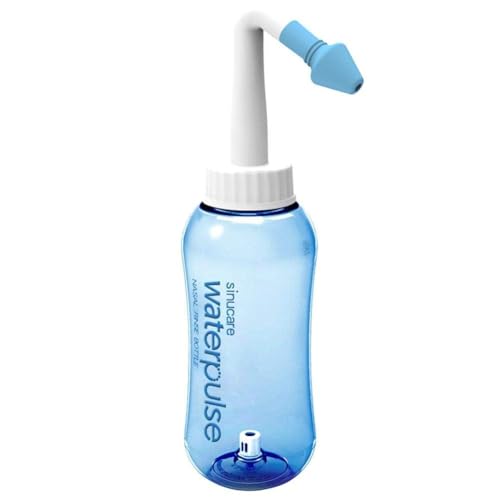
Nasal irrigation is a well-known home remedy that can deliver quick results.
Understanding nasal irrigation
Nasal irrigation involves washing the nasal passages with a saline solution or saltwater. It can clear out excess mucus and allergens, effectively reducing post nasal drip symptoms.
Proper technique for nasal irrigation
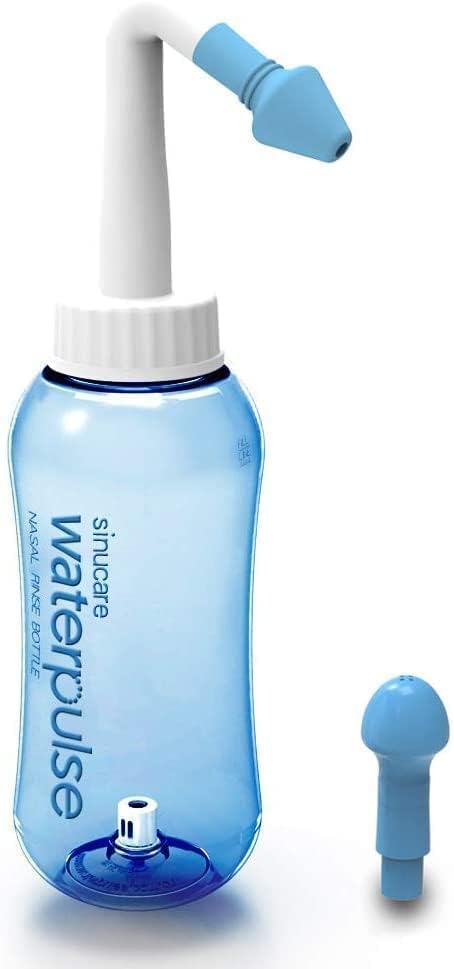
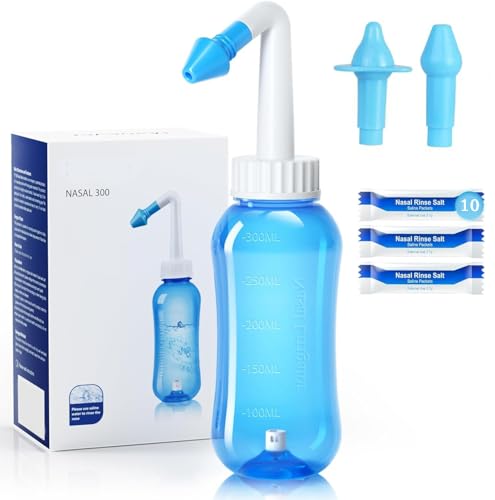
A popular method for nasal irrigation is with a Neti pot. To make the saline solution, mix half a teaspoon of non-iodized salt in a cup of warm distilled water. Pour the solution into the Neti pot, tilt your head over a sink, and gently pour the solution into your upper nostril, allowing it to drain out through the lower nostril.
Benefits of nasal irrigation for post nasal drip
Regular nasal irrigation can help remove trapped mucus and allergens, alleviate nasal congestion and it can even help you breathe easier.
The Role of Diet in Managing Post Nasal Drip
Your diet plays a bigger role in managing post nasal drip than you might think.
Types of food to avoid
Certain foods can trigger or worsen post nasal drip symptoms, such as dairy products, spicy foods, or anything you’re allergic to. Alcohol and caffeine can also aggravate symptoms as they can lead to dehydration which thickens mucus.
Beneficial foods for managing post nasal drip
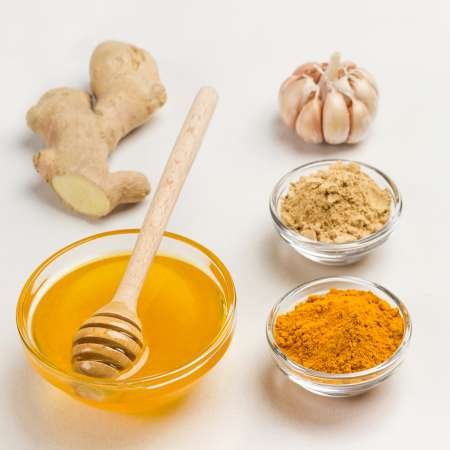
On the other hand, consuming foods that have anti-inflammatory properties such as turmeric, ginger, and garlic can help relieve symptoms. Also, foods rich in Vitamin C can help to boost your immune system and fight off any underlying viral or bacterial infections.
The role of a balanced diet in preventing post nasal drip
A balanced diet high in fruits, vegetables, lean proteins, and whole grains can bolster your immune system and reduce inflammation in your body, keeping your nose and throat healthy and preventing the overproduction of mucus.
Maintaining Proper Hygiene Habits
Keeping good hygiene habits can also do wonders in managing post-nasal drip.
The importance of good hygiene in managing post nasal drip
Good hygiene practices are beneficial for lots of reasons, but in the case of post nasal drip, they can prevent the introduction and spread of irritants and infections that can stimulate excess mucus production.
Specific hygiene practices beneficial for post nasal drip
Regular washing of hands, avoiding touching your face, changing your pillowcase frequently, and keeping the surfaces of your home dust-free are simple but effective hygiene practices. You should also avoid sharing towels or utensils and try to stay clear of people who are unwell to minimise exposure to potential triggers.
Possible complications due to poor hygiene
Poor hygiene can lead to infections that may trigger or exacerbate post nasal drip. For example, bacterial infections can cause your body to produce more mucus to trap and flush out the bacteria.
Use of Herbal Teas and Natural Supplements
Herbal teas and natural supplements, thanks to their soothing properties and natural ingredients, can help ease your post nasal drip symptoms.
Benefits of herbal teas and natural supplements
Many herbal teas can soothe your throat discomfort and are comforting to consume. Certain supplements can help strengthen your immune system and reduce inflammation. For instance, supplements rich in Vitamin C or probiotics can help your body fight off infections and regulate the immune response.
Types of herbal teas suitable for post nasal dip
Peppermint, chamomile, green and ginger tea are especially beneficial. They have typically been used as remedies for sore throats and nasal congestion for centuries.
How to properly use natural supplements
Before using any herbal supplements, it’s advisable to check with your doctor as some supplements might interact poorly with other drugs that you might be taking. Always follow the recommended dosage on the product labels.
Exercises and Breathing Techniques to Alleviate Post Nasal Drip
Physical exercises and breathing techniques, while not a cure, can greatly help in managing the symptoms of post nasal drip.
Types of exercises beneficial for post nasal drip
Low impact exercises like yoga or stretching can be particularly effective. The deep and controlled breaths during these exercises can help to shift and clear out any mucus in your nasal passages.
Successful breathing techniques for managing symptoms
Deep breathing exercises like pranayama and steam inhalation are also helpful. They offer a similar effect by clearing the nasal passage and reducing the accumulation of mucus.
Role of physical wellness in managing post nasal drip
Regular physical activity helps to bolster your immune system, assists in managing body weight and improves overall wellness by reducing the risk of chronic diseases like diabetes and cardiovascular diseases, all of which are beneficial in managing post nasal drip.
The Importance of Rest and Sleep
While it might seem straightforward, having adequate rest and sleep can greatly improve your condition.
Understanding the role of rest in recuperation
Rest provides your body the opportunity to recuperate and fight off any ongoing infection that could be causing your post nasal drip. This makes rest a crucial part of any treatment plan.
Best sleeping positions for managing post nasal drip
Elevating your head while sleeping can help prevent the accumulation of mucus at the back of your throat thereby reducing your discomfort. Try using an extra pillow or two to keep your head propped up.
Potential issues related to lack of sleep and post nasal drip
Lack of sleep can weaken your immune system making you more susceptible to infections and can worsen post nasal drip. It also makes you more tired during the day which can exacerbate the discomfort and frustration of having a constant need to clear your throat.
When to Seek Professional Medical Help
Though home remedies can be effective in managing post nasal drip, they might not always be enough.
Signs your post nasal drip may require medical attention
If symptoms persist beyond a week, are particularly severe, or are accompanied by a high fever, it’s time to seek professional medical help. Also, if you have difficulty swallowing, experience intense headache or if your post nasal drip is accompanied by wheezing, you should consult a healthcare professional immediately.
Possible complications of untreated severe post nasal drip
While post nasal drip in itself is usually not serious, untreated severe post nasal drip can lead to complications like bronchitis, ear infections, or sinusitis.
How a medical professional can aid in managing post nasal drip
A medical professional can give you a proper diagnosis, identify the underlying cause of your post nasal drip, prescribe appropriate medications, and guide you on the best procedures to follow to properly manage your condition.
While post nasal drip can indeed be a discomfort, remember that there are plenty of effective home remedies that you can use to manage and alleviate your symptoms. It’s about finding the right combination that helps you. So give these strategies a try, maintain good health habits, and don’t hesitate to seek help when you need it.
Consult an Ayurveda Expert to get relief from Post Nasal Drip
Meet your Ayurveda Doctor
Treat your chronic health issues
from highly qualified & experienced Doctor.
Personalized Family Nutrition Plans
Dietary guidance for cancer, diabetes, kids, & weight loss.
by our acclaimed nutritionist with 10k+ global success stories.
Disclosure: As an Amazon Associate, HealThyRam.com earns from qualifying purchases. This comes at no additional cost to you and helps support our work.
Disclaimer: The content/information provided above is for informational purposes only and is not medical advice. Always consult a qualified healthcare professional for any medical concerns or before changing your diet or health routine.