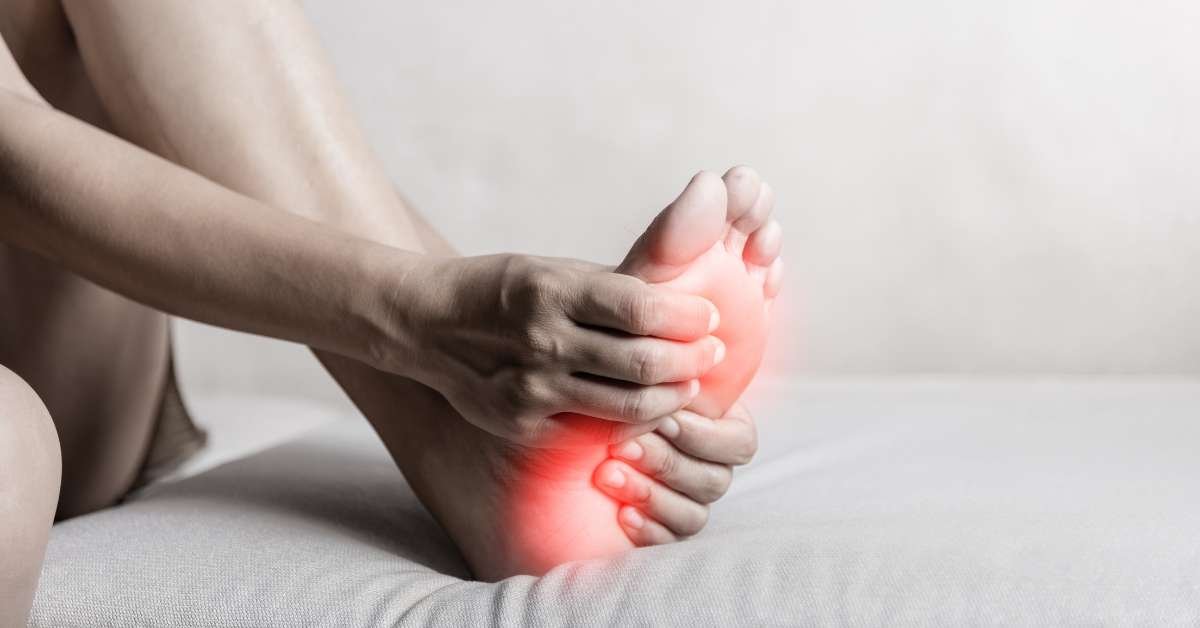
Imagine the ability to manage neuropathy in your legs and feet using effective home remedies that are readily available. This is not a flight of fancy but a reality that can gradually transform your life. “Effective Home Remedies for Treatment of Neuropathy in Legs and Feet” is a treasure trove of tips and suggestions aimed at helping you alleviate the discomfort and pain associated with neuropathy. Shedding light on a range of tried and tested remedies you have the opportunity to regain your confidence and live life with less pain.
Consult Our Experts on Treating Neuropathy
Understanding Neuropathy
When it comes to health conditions that affect life’s most basic functions, neuropathy is one of those that’s often overlooked. Neuropathy, a term we’ll break down in a moment, is more prevalent than you may think, and it can significantly impact your daily routines. So, let’s take a closer look at understand exactly what neuropathy is.
Definition of Neuropathy
Neuropathy, simply put, is when your peripheral nerves, the ones outside of your brain and spinal cord, start acting up. This disorder occurs due to the damage to these nerves, affecting diverse parts of your body, depending on the type and location of the nerve affected. It can result in symptoms like pain, loss of sensation, or malfunctioning of certain body parts.
Causes of Neuropathy in Legs and Feet
Neuropathy in legs and feet typically occurs due to several reasons. Some common causes include nerve damage from chronic diseases like diabetes, injuries, infections, vitamin deficiencies and exposure to toxins. It’s also worth noting that some people might experience this condition due to hereditary disorders, while for others, the cause may remain unknown, termed as idiopathic neuropathy.
Symptoms Associated with Neuropathy
The symptoms of neuropathy can range from mild to severe, and they’re often dependent on the type of nerves affected. Usually, you might feel sensations of numbness, tingling, burning, or sharp, jabbing pain, predominantly in the hands or feet. More severe cases might involve muscle weakness or even paralysis.
Importance of Treating Neuropathy Early
Getting a jump start on treating neuropathy is crucial since this isn’t just about dealing with pain or discomfort — it’s about preventing life-altering damage.
Consequences of Untreated Neuropathy
If neuropathy is left untreated, it’s not just the acute symptoms you have to worry about. Over time, the situation can worsen leading to a complete loss of sensation in the affected parts. This loss might increase the risk of unrecognized injuries and consequent infections. Moreover, in extreme cases, muscle atrophy and mobility problems can occur.
Progression of Neuropathy Symptoms
Without treatment, symptoms of neuropathy, particularly discomfort and pain, might become increasingly severe. It could interfere with your sleep, affect your coordination, or even make walking or moving around difficult. This amplification of symptoms impacts the overall quality of life.
Permanent Damage Risks
The most concerning aspect of untreated neuropathy is the risk of permanent damage. Delayed or inadequate treatment can lead to irreversible harm to the nerves, leading to chronic pain, disability or even amputation in severe cases. So, it’s of paramount importance to tackle neuropathy early on and head-on.
Consult Our Experts on Treating Neuropathy
Types of Neuropathy in Legs and Feet
Let’s delve a little deeper into some types of neuropathy that particularly affect legs and feet.
Peripheral Neuropathy
Arguably the most common type, peripheral neuropathy affects the nerves in your legs, feet, hands, or arms. It can stir up a variety of uncomfortable symptoms, from tingling and burning pain to muscle weakness or loss of balance.
Diabetic Neuropathy
Diabetes is a big villain when it comes to neuropathy. High levels of sugar in the blood can damage nerves over time, leading to diabetic neuropathy. This condition typically starts in the feet or legs and can be a major cause of foot problems in individuals with diabetes.
Chemotherapy-Induced Neuropathy
Chemotherapy, the treatment often used to fight cancer, comes with its own set of side effects, including neuropathy. Chemotherapy can damage nerves, leading to pain, tingling, or numbness in fingers and toes.
Conventional Treatments for Neuropathy
Conventional treatments for neuropathy chiefly rely on medical interventions.
Medications and Drugs
Depending on the type and severity of neuropathy, different medications like pain relievers, anti-seizure medications, and antidepressants can be used to manage symptoms. In some cases, topical treatments such as capsaicin cream might be prescribed as well.
Physical Therapy Options
Physical therapy can help to maintain and improve your mobility, strength, and balance. The exercises prescribed often aim to combat muscle weakness and procedural exercises to help you compensate for sensory loss.
Surgical Interventions
Although used as a last resort, surgical interventions are sometimes necessary as a treatment for neuropathy. This is more commonly the case when the cause is an impinged or compressed nerve.
Drawbacks of Conventional Neuropathy Treatments
While conventional treatments can certainly play a large role in managing neuropathy, they are not without their drawbacks.
Side Effects of Medications
Pharmaceutical treatments can come with a host of potential side effects ranging from mild discomforts like nausea, dizziness, or sleepiness to serious issues like addiction or dependence, particularly with long-term use of certain pain relievers.
Inefficiency of Surgery in Certain Cases
While surgery might be useful for conditions like pinched nerves, it’s not always effective for other types of neuropathy. Moreover, every surgical intervention comes with its own set of risks and potential complications.
Expense of Continuous Physical Therapy
Physical therapy, while certainly effective, requires a routine commitment and can rack up high costs over time. Plus, not everyone has easy access to reputable physical therapy services.
Importance and Benefits of Home Remedies for Neuropathy
With the drawbacks of conventional treatments in mind, it might be an excellent idea for you to consider some home remedies for neuropathy. There are various benefits.
Economic Benefits
Home remedies are usually more cost-effective than repeated trips to healthcare providers or expensive medications. They allow you to take control of your neuropathy management plan without breaking the bank.
Ease of Application
Home remedies are typically easy to use, and most require only readily available ingredients or tools. This ease of application gives you the flexibility to fit your treatment routine into your daily life.
Potential for Fewer Side Effects
The beauty of natural and home remedies is that they often come with fewer side effects as compared to pharmaceutical drugs, provided they are used correctly and responsibly.
Curative Home Remedies for Neuropathy
There are plenty of curative home remedies that may help you manage neuropathy symptoms.
Herbal Remedies
Certain herbs might have the potential to promote nerve health and alleviate neuropathy symptoms like pain and inflammation. Examples include turmeric, cayenne pepper (capsaicin), and St. John’s Wort, among others.
Essential Oils
Certain essential oils like lavender, rosemary and peppermint possess properties that could work towards easing pain and inflammation associated with neuropathy. These oils can be diluted and applied topically or used in a diffuser.
Dietary Changes and Supplements
Consuming a balanced diet rich in vitamins, particularly B vitamins, antioxidants, and Omega-3 fatty acids, can nourish the nerves and support healing. It might also be worth considering dietary supplements under healthcare supervision.
Palliative Home Remedies for Neuropathy
Now, let’s discuss some palliative or soothing remedies that might ease neuropathy symptoms.
Physical Activities for Pain Reduction
Simple physical activities or exercises can go a long way in reducing neuropathy pain. regular walking, biking, or yoga might aid in improving circulation, strength, and balance.
Hot and Cold Therapy
Alternating hot and cold packs could also help soothe your neuropathy pain. The heat increases blood flow, and cold can reduce swelling and numb the area, providing temporary relief.
Massage and Acupressure
Gently massaging your feet and legs or employing acupressure can stimulate the nerves, improve circulation, and diminish pain.
Safety Precautions When Using Home Remedies
As you venture into the world of home remedies, it’s crucial to remember safety first.
Proper Use of Essential Oils
Essential oils are potent and should always be properly diluted before application. Also, doing a patch test to ensure you’re not allergic is an excellent safety practice.
Safe Dietary Changes
While dietary changes can be beneficial, ensure any significant changes are done under professional supervision, especially if you’re considering dietary supplements.
Warning Signs to Stop Therapy
If any home remedy worsens your symptoms, causes other discomforts, or if you observe any allergic reactions, you should stop using it immediately and seek professional advice.
Consulting Healthcare Professionals About Home Remedies
Finally, let’s stress the importance of keeping your healthcare team in the loop.
When to Seek Professional Advice
If your symptoms persist or worsen despite home remedies, seek professional medical advice promptly. Also, if you experience acute or sudden onset symptoms, it’s crucial to get a professional assessment quickly.
Potential Interactions Between Home and Conventional Treatments
While home remedies can be effective, they must complement your conventional treatment plan. Some remedies may interact with prescribed medications, so always consult your healthcare professional before beginning any home remedy regime.
Monitoring Neuropathy Progress
A healthcare professional will comprehensively evaluate your neuropathy progress over time better than anyone else can. So while home remedies can be an important part of your treatment, regular check-ups are just as essential to monitor progress and make necessary adjustments.
To wrap up, neuropathy is a condition that calls for immediate action and smart management strategies. While conventional treatments have their place, don’t underestimate the power of home remedies. They can be a game-changer in managing your symptoms and improving your quality of life with neuropathy. Always remember to use natural remedies wisely and in consultation with your healthcare provider. Here’s to your health!