No products in the cart.
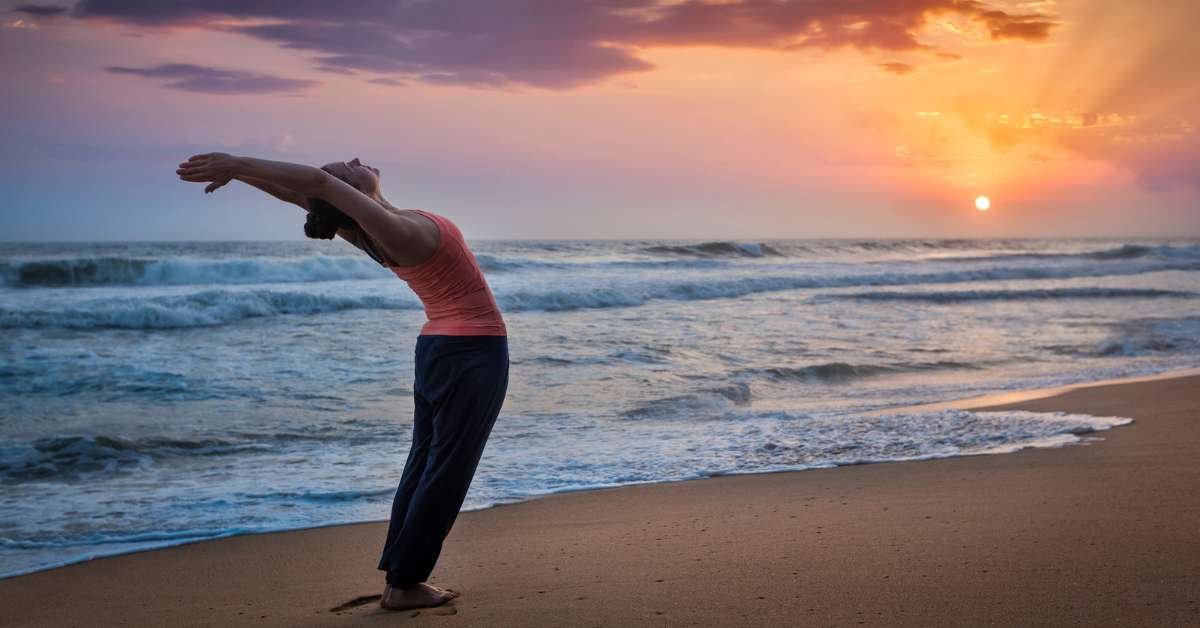

Introduction to Surya Namaskar or Sun Salutation
Surya Namaskar, also known as the Sun Salutation, is a sequence of yoga postures performed in a flow, traditionally at sunrise. It is a comprehensive exercise that works on every part of the body, making it an integral part of any yoga routine. The practice is a beautiful expression of gratitude to the sun for sustaining life on this planet.
Table of Contents
History and Origin of Surya Namaskar or Sun Salutation
The Surya Namaskar or Sun Salutation has ancient roots and is a significant practice in yogic traditions. It is believed to have originated from the Vedic times as a ritual worship of the rising sun. The sun, symbolizing spiritual consciousness, is honored with this sequence of asanas, each representing a specific solar aspect. The practice has evolved over time, with different schools of yoga incorporating their unique variations.
Importance of Surya Namaskar or Sun Salutation in Yoga
Surya Namaskar is a cornerstone in the realm of yoga. It is not just a physical exercise, but also a spiritual practice that enhances overall well-being. The sequence harmonizes the body, mind, and spirit, preparing the practitioner for deeper states of meditation. It is a complete workout for the body, improving cardiovascular fitness, flexibility, and strength. The practice also stimulates the nervous system, improves digestion, and balances the hormones. You can learn more about the importance of Surya Namaskar in yoga here.
Different Styles of Surya Namaskar or Sun Salutation
There are several styles of Surya Namaskar, each with its unique sequence of postures. The most common styles include:
- Classical Surya Namaskar: This is the traditional version, consisting of 12 postures performed in a sequence. It is usually practiced in the Hatha yoga tradition.
- Surya Namaskar A and B: These are variations introduced by Sri K. Pattabhi Jois in the Ashtanga yoga tradition. Surya Namaskar A has fewer postures than the classical version, while Surya Namaskar B includes additional postures such as the Warrior pose.
- Chandra Namaskar: Also known as the Moon Salutation, this is a calming and cooling sequence that is often practiced in the evening.
Each style has its unique benefits and can be chosen based on the practitioner’s needs and preferences. For more details on different styles of Surya Namaskar, you can visit this resource.
Detailed Guide to Surya Namaskar or Sun Salutation
Step-by-Step Guide to Surya Namaskar or Sun Salutation
Preparation
Before starting the Surya Namaskar or Sun Salutation, ensure you are in a calm and quiet space with enough room to stretch your body. Stand at the front of your yoga mat, feet hip-width apart, and take a few moments to center yourself.
Each of the 12 poses
Here are the 12 poses of the Classical Surya Namaskar or Sun Salutation:
- Pranamasana (Prayer Pose): Stand at the edge of your mat, balance your weight equally on both feet, and expand your chest. Bring your palms together in front of your chest in a prayer position.
- Hasta Uttanasana (Raised Arms Pose): Inhale, lift your arms up and back, keeping the biceps close to the ears. Try to stretch the whole body up from the heels to the tips of the fingers.
- Hasta Padasana (Hand to Foot Pose): Exhale, bend forward from the waist, keeping the spine erect. Bring the hands down to the floor beside the feet.
- Ashwa Sanchalanasana (Equestrian Pose): Inhale, push your right leg back, as far back as possible. Bring the right knee to the floor and look up.
- Dandasana (Stick Pose): As you breathe in, move the left leg back and bring the whole body in a straight line.
- Ashtanga Namaskara (Saluting with Eight Parts): Gently bring your knees down to the floor and exhale. Take the hips back slightly, slide forward, rest your chest and chin on the floor. The two hands, two feet, two knees, chest, and chin (eight parts of the body) should touch the floor.
- Bhujangasana (Cobra Pose): Slide forward and raise the chest up into the Cobra posture. Keep your elbows bent in this pose, with the shoulders away from the ears. Look up.
- Adho Mukha Svanasana (Downward Facing Dog Pose): Exhale, lift the hips and the tailbone up to bring the body into an inverted ‘V’ pose.
- Ashwa Sanchalanasana (Equestrian Pose): Inhale, bring the right foot forward in between the two hands. The left knee goes down on the floor. Press the hips down and look up.
- Hasta Padasana (Hand to Foot Pose): Exhale, bring the left foot forward. Keep the palms on the floor. You may bend the knees, if necessary.
- Hasta Uttanasana (Raised Arms Pose): Inhale, roll the spine up, hands go up and bend backwards a little bit, pushing the hips slightly outward.
- Tadasana (Mountain Pose): As you exhale, first straighten the body, and then bring the arms down. Relax in this position and observe the sensations in your body.
This completes one round of Surya Namaskar. Perform at least 12 rounds of Sun Salutation, ideally at sunrise. For a detailed guide, you can watch the below video.
Benefits of Surya Namaskar or Sun Salutation
Physical Benefits:
- Enhances overall health and boosts energy
- Improves digestion
- Strengthens muscles and joints
- Promotes weight loss
- Enhances cardiovascular function
- Improves flexibility and posture
Mental Benefits:
- Reduces stress and anxiety
- Improves focus and concentration
- Enhances mind-body coordination
- Promotes a sense of well-being and peace
For more details on the benefits of Surya Namaskar, you can visit this resource.
Common Mistakes and How to Avoid Them
While Surya Namaskar is a comprehensive exercise, it’s important to perform it correctly to reap its full benefits. Here are some common mistakes to avoid:
- Rushing through the poses: Surya Namaskar is not a race. Each pose should be held for at least a few seconds to allow the body to fully experience its benefits.
- Ignoring the breath: Breathing is a crucial part of Surya Namaskar. Each movement should be synchronized with the breath.
Skipping poses: Each pose in the sequence has a specific benefit. Skipping any pose will disrupt the flow and reduce the effectiveness of the exercise.
Surya Namaskar for Different Levels
Surya Namaskar or Sun Salutation can be modified to suit different levels of yoga practitioners.
- Beginners: Start with fewer rounds and simpler versions of the poses. Focus on getting the technique right.
- Intermediate: Increase the number of rounds and start holding the poses for longer durations.
- Advanced: Try variations of Surya Namaskar, like the Ashtanga version, and increase the number of rounds.
Conclusion
Surya Namaskar is a powerful yoga practice that offers numerous physical and mental benefits. Regular practice can enhance your health, vitality, and overall well-being. Whether you’re a beginner or an advanced practitioner, incorporating Surya Namaskar into your daily routine can bring about positive changes in your life. Remember, the key is consistency and mindful practice. If you’re interested in exploring holistic wellness based on the Indian wisdom of AYUSH, you can schedule online consultations with our team of wellness experts at HealThyRam.com. Happy practicing!
FAQs
What is the best time to do Surya Namaskar?
The best time to practice Surya Namaskar is at sunrise. It’s the time when the sun’s rays are fresh and can positively impact your body.
How many rounds of Surya Namaskar should be done in a day?
It’s recommended to start with 2-4 rounds and gradually increase to as many as your body comfortably allows, ideally around 12 rounds.
Can Surya Namaskar help in weight loss?
Yes, regular practice of Surya Namaskar can help in weight loss as it’s a full-body workout that improves metabolism.
Is Surya Namaskar enough exercise?
While Surya Namaskar is a comprehensive exercise, it’s beneficial to include other forms of exercise in your routine for a balanced fitness regimen.
Can we do Surya Namaskar during periods?
It’s generally advised to avoid Surya Namaskar during periods as some poses might put pressure on the abdominal region.