No products in the cart.
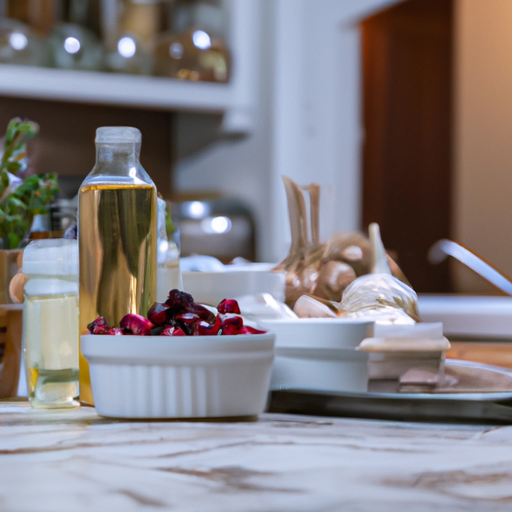

There’s no need to suffer in silence or feel embarrassed because yeast infections are more common than you might think. In this article, “Understanding Yeast Infection Home Remedies”, you’ll discover helpful guidelines and suggestions to alleviate your discomfort. The focus is on natural solutions that you can find in your kitchen and tips on how to maximize their benefits in treating this often irritating and uncomfortable condition. This is essential information you’d surely want to know, especially if you’re looking for reliable home remedies for yeast infections. So, get ready to empower yourself with knowledge that can help improve your health and ease.
Unlock the Secrets to Ultimate Well-being with Experts at healThyRam.com!
Overview of Yeast Infections
Yeast infections can be an uncomfortable topic for many people, yet they’re something most of us will deal with at some point in our lives.
Definition of Yeast Infection
A yeast infection, medically known as candidiasis, is essentially an overgrowth of a type of yeast called Candida. This wee beastie is usually harmlessly present on our skin and in areas like the mouth, throat, gut, and vagina. However, when the yeast population spirals out of control, an infection can occur.
Common Causes of Yeast Infections
There isn’t a single, catch-all cause for yeast infections. They can be triggered by a variety of factors, from hormonal changes (such as those experienced during pregnancy or from certain forms of contraception) to illnesses that weaken your immune system. Even lifestyle factors like stress or lack of sleep can create conditions ripe for an infection.
Symptoms Associated with Yeast Infections
Identifying a yeast infection isn’t too tricky once you know what to look for. Symptoms often include itchiness and discomfort, redness and swelling of the vagina, an unusual discharge that often resembles cottage cheese, and pain while urinating or during sex.
Understanding the Concept of Home Remedies
Now, let’s switch gears and look at home remedies. These have been around as long as people have been getting sick – probably even longer!
What Are Home Remedies?
In essence, home remedies are treatments you can perform at home without needing a prescription. They can include anything from drinking plenty of fluids to rest more, consuming certain foods, or applying specific ingredients directly to the affected area.
Benefits of Using Home Remedies
Why even consider home remedies? The main benefits are convenience and cost: many home remedies involve ingredients you probably already have in your pantry or fridge. They’re often a useful first line of defense, offering quick relief while a more conventional treatment takes effect.
Potential Risks and Limitations of Home Remedies
Still, it’s not all sunshine and roses. Home remedies can’t cure everything, and sometimes, they might not work at all. There are also potential risks to consider. Some remedies can cause allergic reactions, while others might have side effects, especially if used excessively or improperly.
Common Home Remedies for Yeast Infections
Home remedies for yeast infections can vary from dietary changes to topical treatments.
Use of Probiotic Supplements
Probiotics have become popular for all sorts of health issues, yeast infections included. These beneficial bacteria help balance your microbiome, keeping yeast populations in check.
Application of Tea Tree Oil
Tea tree oil is renowned for its antifungal properties. Diluted with a carrier oil, it can be carefully applied to the affected area to help fight infection.
Use of Garlic
Garlic has been used for centuries for its antimicrobial properties, making it another popular home remedy. If you’re brave, you can even insert a peeled garlic clove into the vagina overnight.
Effectiveness of Apple Cider Vinegar
Apple cider vinegar, diluted with water, is another potential home remedy. It’s thought that its antifungal properties can combat a yeast infection, though this method should be approached with caution.
Scientific Evidence Supporting Home Remedies
While anecdotal evidence abounds, it’s always a good idea to look for hard science when dealing with health issues.
Research on Probiotics for Yeast Infections
The good news is that research suggests probiotics can indeed be effective against yeast infections, promoting a more balanced microbiome.
Studies on the Efficacy of Tea Tree Oil
There is also evidence supporting the use of tea tree oil in battling yeast infections – but be aware it can cause irritation if not properly diluted.
Scientific Understanding of Garlic’s Properties
Studies have proven garlic’s antimicrobial effects. Yet, it seems not every yeast strain is susceptible, and its effectiveness as a topical treatment for yeast infections is still debated.
Investigations into Apple Cider Vinegar
Apple cider vinegar’s effectiveness against yeast still remains to be substantially proven, so some caution is advised.
Preventive Measures Against Yeast Infections
Prevention is often the best cure, as the saying goes.
Importance of Balanced Diet
Eating a balanced diet can help keep your immune system robust, which in turn can fend off infections.
Role of Hygiene in Prevention
Proper personal hygiene can also be key in preventing yeast infections. Avoid using scented feminine washes and douches, as these can disturb your vagina’s natural pH balance.
Significance of Regular Check-ups
Regular check-ups with your doctor can spot any changes early, allowing for quicker, more effective treatment.
Combining Home Remedies with Traditional Treatments
Tradition and modern medicine aren’t mutually exclusive – sometimes they’re best when they go hand in hand.
Interactions with Prescription Medications
Always keep in mind that home remedies can interact with prescription medications. If you’re on medication, always consult with your healthcare provider before starting a home remedy.
When to Consult a Healthcare Provider
If your symptoms persist or worsen, it’s time to see a medical professional. Yeast infections are usually easy to treat, but they can also be a sign of a more serious underlying condition.
Multimodal Approaches to Treatment
Modern medicine plus home remedies can equal a powerful one-two punch against yeast. Multimodal treatments can provide immediate relief (courtesy of home remedies) while long-term cures (from traditional medications) take effect.
The Role of Lifestyle Changes
Lifestyle changes can be an effective part of both yeast infection treatment and prevention.
Exercise and Yeast Infections
Proper exercise can boost your immune system, keeping infections at bay.
Eating Habits and Its Impact
Your diet can significantly impact your health. A balanced, nutrient-rich diet can fortify your immune system, making you less susceptible to yeast infections.
Importance of Sleep and Stress Management
Getting enough rest and managing stress are also crucial. Lack of sleep and chronic stress can weaken your immune system, making you more susceptible to infections.
Safety Considerations when Using Home Remedies
Safety should always be your priority, even (or perhaps especially) when using home remedies.
Potential Side Effects
Even natural remedies can have side effects, especially when used excessively or improperly.
Understanding Allergic Reactions
As with any treatment, allergic reactions are a possibility. Always test a small amount of a new remedy on the skin before full application.
Precautions to Take When Using Home Remedies
Always research your chosen remedy thoroughly and use it as directed. And remember – if you have any questions or doubts, a healthcare provider is the best resource.
Dive Deep into Wellness Wisdom – Get Expert Advice on healThyRam.com Now!
Coping with Chronic Yeast Infections
Chronic yeast infections can be particularly challenging to deal with. If you find yourself battling repeated episodes, here are some things to consider.
Understanding the Causes of Recurring Infections
Often there’s an underlying reason behind recurring infections such as diabetes, HIV infection, or hormonal imbalances.
Long-Term Management Strategies
Chronic infections require long-term strategies, which include medication, lifestyle changes, and sometimes, further medical investigations.
Dealing with Emotional and Psychological Aspects
Dealing with constant infections isn’t just painful – it’s stressful. Seeking mental health care in the form of counselling or stress management techniques can be very beneficial.
Educating Others About Yeast Infections
As with any health issue, education and awareness are crucial components of prevention and treatment.
Breaking Down Misconceptions
Yeast infections are a perfectly normal part of many people’s lives, and there’s nothing shameful about them. Make sure to challenge misconceptions wherever you encounter them.
Promoting Awareness and Understanding
Spreading accurate information about yeast infections can help others spot symptoms early and get the treatment they need.
Sharing Personal Experiences
Sharing personal experiences can encourage others to seek help when they need it. Remember: it’s Okay to talk about this stuff.
In conclusion, yeast infections can be a pain, but they’re typically easy to treat. Home remedies can offer quick relief, and lifestyle changes can add to that. But remember, a doctor should always be the one to make a final diagnosis, and chronic or severe infections require professional medical attention.
Discover Life-Changing Health Tips – Consult the Pros at healThyRam.com!
Disclosure: As an Amazon Associate, HealThyRam.com earns from qualifying purchases. This comes at no additional cost to you and helps support our work.
Heal with Yoga
Join a 30-day Yoga Class to bring back
activeness and get a relaxed body and mind.
Book a Class
Meet your Ayurveda Doctor
Treat your chronic health issues
from highly qualified & experienced Doctor.
Disclosure: As an Amazon Associate, HealThyRam.com earns from qualifying purchases. This comes at no additional cost to you and helps support our work.