No products in the cart.

Imagine a diet that allows you to take control of your health: physically, mentally, emotionally, and spiritually—a diet that is as old as time yet still profoundly relevant in the 21st century. “The Ayurvedic Diet: Eat Your Way to Better Health” sets the stage for such a diet. The article unravels the secrets of Ayurveda, a traditional Indian medicine system that emphasizes the importance of balance. Expect to learn how you can use food as medicine, using the principles of Ayurveda, to achieve an overall healthier and happier lifestyle. Brace yourself for a journey into the world of healthy and beneficial eating habits that resonate with your body, mind, and soul.
Consult our Ayurveda experts for holistic wellness, now!
Understanding the Ayurvedic Diet
When you embark on the journey of wellness and better health, you care more about how to nourish the whole aspect of your being- the mind, the body, and the spirit. One of the extraordinary ways you can accomplish this is through the Ayurvedic diet. This age-old nutritional system is as much about what you eat as it is about when and how.
Origins of the Ayurvedic Diet
Originating from India over 5,000 years ago, Ayurveda is perhaps the oldest system of medicine in the world. The word Ayurveda means “science of life” and this traditional Indian medicine hinges on the belief that health is a delicate balance between the mind, body, and spirit. Central to Ayurveda is the diet, as the belief holds that certain foods can balance or disrupt your energy, health, and mood.
Basic Principles of the Ayurvedic Diet
In essence, the Ayurvedic diet is centered around promoting good health, rather than fighting disease. It operates under the premise that your body is tied intrinsically to natural elements and is divided into three types, or “doshas”: Vata, Pitta, and Kapha, which each has different characteristics and corresponds with certain body types.
Connection Between the Ayurvedic Diet and Yoga and Meditation
Steadfast practitioners of the Ayurvedic lifestyle consider both meditation and yoga as integral components of maintaining holistic wellbeing. Just as the right type of food balances your dosha, these practices help release stress and maintain the balance of energies within your body.
The Three Doshas: Vata, Pitta, and Kapha
Understanding Doshas
Think of doshas as the distinct energies that make up every individual. Every person has all three doshas in their makeup but often one, or sometimes two, dominates.
Role of Doshas in Ayurveda
In Ayurveda, doshas govern all physical and physiological activities: from body shape to digestion, and even to the way you think and perceive the world.
Characteristics of Each Dosha
Vata represents air and ether, and those with a dominant Vata are usually slim with a light frame, energetic, creative, and with a tendency towards dry skin. Pitta represents fire and water, Pitta-dominant individuals have a medium build, are intelligent, competitive and can experience excess heat resulting in skin rashes or heartburn. Kapha represents water and earth, and Kapha-dominant individuals tend to have large, heavy frames, are calm, caring, and can struggle with weight gain or a sluggish metabolism.
Connecting Doshas with Individual Health and Wellness
The Ayurvedic philosophy asserts that your dominant dosha can influence the types of diseases you might be susceptible to, as well as your mannerisms and personality traits.

Consult our Ayurveda experts for holistic wellness, now!
Determining Your Dosha
Different Methods for Identifying Your Dosha
One of the ways to determine your dominant dosha is by taking a quiz from an Ayurvedic practitioner. They would evaluate your physical condition, lifestyle, and mental disposition before arriving at a diagnosis.
Interpretation of Dosha Quiz Results
Based on your doshas, the quiz results can guide your food selection, quantity, timing, and cooking method.
Effects of Imbalanced Doshas and How to Restore Balance
An imbalance of a dosha can lead to various health issues. For instance, when Vata is imbalanced, it can cause anxiety. A Pitta imbalance can lead to anger and indigestion, while a Kapha imbalance may result in lethargy and depression. Adequately adhering to a dosha-specific diet plan can help restore balance.
Food Elements in Ayurveda
The Six Tastes in Ayurveda: Sweet, Sour, Salty, Bitter, Pungent, Astringent
In Ayurveda, each meal should ideally contain all these tastes to keep your doshas balanced and promote overall health and wellbeing.
Aligning Tastes with Doshas
Each taste corresponds to the three doshas, and balancing the tastes can optimize your digestion and overall health.
Role of Tuning into Seasons to Select Foods
Your diet should also align with the changing seasons, as certain foods can help to balance your doshas as the weather fluctuates.
Specific Foods for Each Dosha
Ideal Foods for Vata
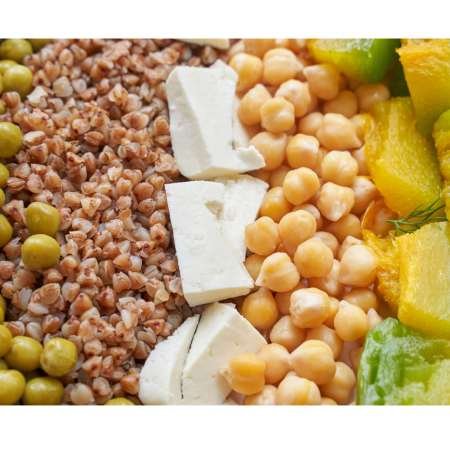
Vata types should gravitate towards warm, moist, and heavy foods like oats, stewed apples, and ghee.
Best Food Choices for Pitta
Sweet fruits, cool drinks, and salads are ideal for Pitta types to counteract their fiery nature.
Recommended Foods for Kapha
Kapha types should go for light, warm, and dry foods such as spicy tea, grilled chicken, and light fruits like apples and pears.
Foods to Avoid for Each Dosha
Vata types should avoid cold and raw foods, Pitta should steer clear of spicy and hot foods, while Kapha should steer clear of oily, sweet and heavy foods as they could exacerbate these doshas and cause imbalance.
Sample Ayurvedic Meal Plans
Creating an Ayurvedic Daily Routine
An Ayurvedic daily routine involves eating your largest meal at lunch when your digestive fire is at its peak, and planning your day around the natural cycles of the day.
Meal Planning for Each Dosha
Your meals should be tailored according to your dominant dosha. Vata types need grounding meals, Pitta types need cooling, balanced meals, and Kapha types need invigorating meals filled with vibrant foods.
Ideas for Breakfast, Lunch, and Dinner
Vata breakfast could be a warm bowl of porridge; Pitta could have cool smoothies, while Kapha would do well with a light bowl of fruit and hot tea.
Ayurvedic Cooking Techniques
Fundamental Ayurvedic Kitchen Tools
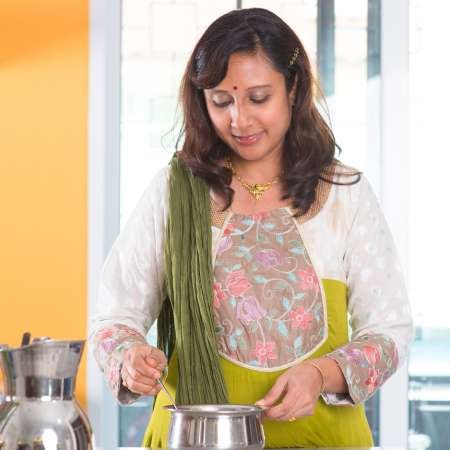
Basic kitchen tools for the Ayurvedic kitchen include a good set of knives, mortar and pestle for grinding spices as well as sturdy pots and pans.
Key Ayurvedic Spices and Herbs
Spices like turmeric, coriander, fennel, and cumin are essential in the Ayurvedic kitchen, offering both taste and health benefits.
How to Prepare and Consume Foods for Optimal Digestion
In Ayurveda, food should be cooked and served with love and gratitude. Also, it’s advisable to consume food mindfully, and in a peaceful environment for optimal digestion.
Ayurvedic Cooking Tips and Recipes
Cook foods just long enough to make them digestible, and try to incorporate all six tastes into every meal. Also, consider experimenting with traditional recipes, like Kitchari, a mix of mung beans and rice, or Ayurvedic spiced tea.
Ayurvedic Diet Adjustments for Modern Lifestyle
Accommodating for Busy Schedules
Contrary to what you may think, eating Ayurvedically doesn’t have to be time-consuming. With proper planning, you can prepare meals in advance, or go for quick recipes that adhere to your dosha type.
Quick and Easy Ayurvedic Recipes
Try quick recipes such as Ayurvedic-spiced oatmeal for breakfast, a dosha-balancing soup for lunch, or a hearty Kitchari stew for dinner.
Incorporating Ayurveda into Eating Out
When eating out, choose foods and flavors that align with your dominant dosha. If you can’t avoid foods that unbalance your dosha, try to counteract them with opposite tastes or foods.
Potential Health Benefits of the Ayurvedic Diet
Impact on Weight Management
Regularly following an Ayurvedic diet can have a profound impact on weight management as it encourages mindful eating, improved digestion, and balanced energy.
Possible Preventative Effects for Certain Diseases
As the Ayurvedic diet promotes balance and prevents an accumulation of toxins, it could potentially prevent certain diseases including heart disease, rheumatoid arthritis, and diabetes.
Improvement in Mental and Emotional Health
The diet’s emphasis on mindful eating and awareness of what and when you’re eating can significantly improve your mental and emotional well-being.
Influence on Digestive Health
The food choices and meal timing recommended by Ayurveda can optimize and strengthen your digestion, reducing common issues like gas, bloating, heartburn, constipation, or diarrhea.
Increased Overall Vitality and Energy
As your body becomes balanced and your digestion improves, your energy and vitality can increase, inspiring you to pursue an active, fulfilling life.
Challenges and Considerations with the Ayurvedic Diet
Constraints and Potential Difficulties
 The Ayurvedic diet can be restrictive for some, so it’s crucial to gradually introduce these changes and find a way to make it realistic within the context of your lifestyle.
Diet Diversity and Nutritional Balance
It’s also important to ensure you are getting a wide variety of foods and nutrients in your diet. The Ayurvedic diet is not meant to limit your dietary diversity, but rather to align your specific needs with nature in order to enhance overall health.
Combining Ayurveda with Other Dietary Needs or Restrictions
It may be challenging to adhere to the Ayurvedic diet if you have specific dietary needs or restrictions. Always remember not to compromise any medically necessary dietary restrictions to accommodate Ayurveda.
Consulting Healthcare providers before Making Major Diet Changes
Before making any major changes to your diet including the starting of an Ayurvedic diet, it is always good to discuss with your healthcare provider. They can give you informed advice on whether it’s right for you. They can help guide you on how to start slowly and, they can monitor your health as you make these changes.