No products in the cart.
Introduction:
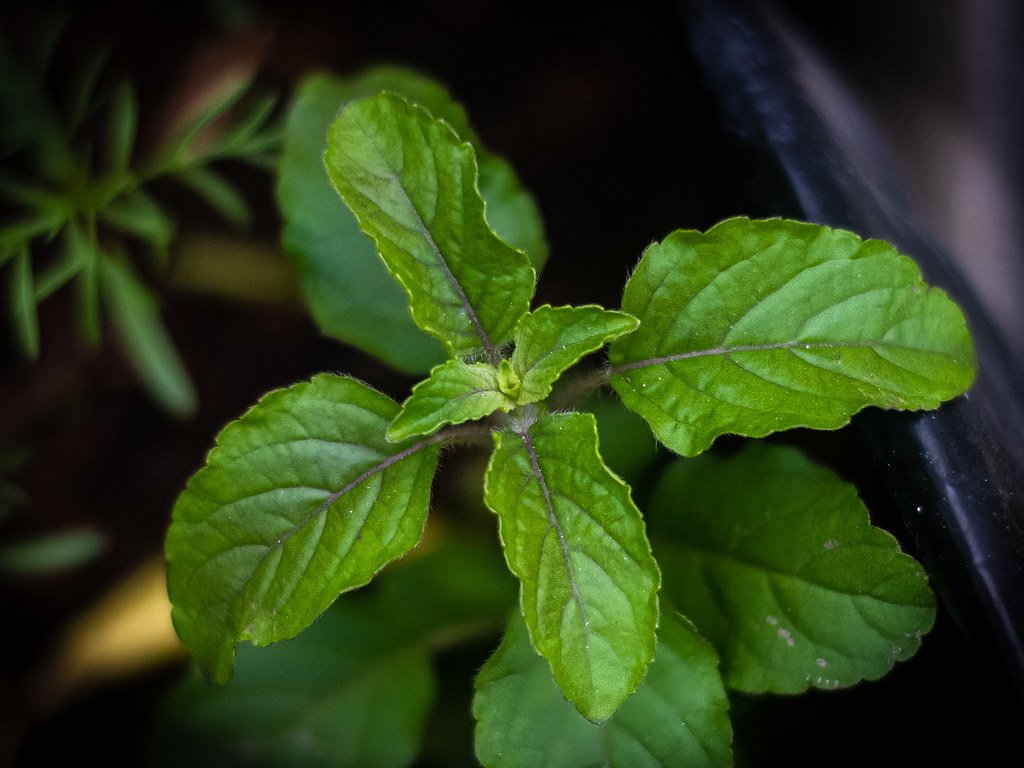
Tulsi, also known as Holy Basil, holds a revered place in Indian culture and Ayurveda for its immense medicinal and spiritual significance. Often referred to as the “Queen of Herbs,” Tulsi is much more than a plant—it’s a symbol of holistic health and well-being. In this blog, we’ll delve into the myriad benefits, traditional uses, and modern applications of Tulsi to help you incorporate this wonder herb into your daily life.
Why is Tulsi Special?
Tulsi is celebrated for its unique combination of medicinal properties and spiritual importance. It is known for its ability to:
- Boost Immunity: Strengthens the body’s natural defence mechanisms.
- Reduce Stress: Acts as an adaptogen to help the body manage stress.
- Promote Respiratory Health: Relieves symptoms of colds, coughs, and respiratory issues.
- Enhance Skin Health: Fights acne and promotes a glowing complexion.
- Support Heart Health: Helps regulate cholesterol and blood pressure levels.
Types of Tulsi:
- Rama Tulsi: Known for its mild flavour and aroma, commonly used in teas and remedies.
- Krishna Tulsi: Distinguished by its purple leaves and peppery taste, ideal for medicinal use.
- Vana Tulsi: A wild variety, rich in essential oils and often used in herbal concoctions.
Health Benefits of Tulsi:
1. Immune System Support:
Packed with antioxidants, Tulsi helps fight free radicals and strengthens immunity.
2. Stress Relief:
Tulsi contains adaptogenic properties that reduce cortisol levels, promoting mental clarity and calmness.
3. Respiratory Health:
Its anti-inflammatory and antimicrobial properties make it effective in treating respiratory issues like asthma, bronchitis, and colds.
4. Detoxification:
Tulsi helps cleanse the body by flushing out toxins and supporting liver function.
5. Skin and Hair Care:
Rich in nutrients, Tulsi can be used to treat skin infections, acne, and dandruff.
How to Use Tulsi:
1. Tulsi Tea:
- Brew fresh Tulsi leaves or use dried leaves to make a soothing herbal tea.
- Add honey or lemon for extra flavour and benefits.
2. Essential Oil:
- Use Tulsi essential oil for aromatherapy or massage to relieve stress and anxiety.
3. Skin Treatments:
- Apply a paste of Tulsi leaves to acne-prone areas or insect bites for relief.
4. Dietary Supplement:
- Tulsi capsules or extracts are available for those seeking concentrated benefits.
Best-selling Tulsi (Basil) Products::
Cultural Significance:
In Indian traditions, Tulsi is not just a plant but a sacred symbol of purity and prosperity. It is commonly grown in households and worshipped for its ability to purify the environment and bring positive energy.
Growing Tulsi at Home:
Tulsi is easy to grow and requires minimal care. Here’s how you can cultivate it:
- Choose a Sunny Spot: Tulsi thrives in warm, sunny locations.
- Use Well-Drained Soil: Ensure the soil is rich in nutrients and drains well.
- Water Regularly: Keep the soil moist but avoid overwatering.
- Prune Often: Regular pruning encourages bushy growth.
Final Thoughts:
Tulsi is a powerhouse of health benefits wrapped in a rich cultural heritage. Whether you sip it as tea, use its oil for relaxation, or grow it in your garden, Tulsi is an invaluable addition to your lifestyle. Embrace the healing and nurturing qualities of this sacred herb and experience the transformation it brings to your well-being.
Discover the magic of Tulsi today! Explore trusted Tulsi products or grow your own and unlock its incredible health benefits.
Disclosure: As an Amazon Associate, HealThyRam.com earns from qualifying purchases. This comes at no additional cost to you and helps support our work.