
Capturing your heart from the moment they’re born, your little bundle of joy makes parenthood an incredible journey. As blissful as the experience may be, it comes with its fair share of hurdles. Infants are prone to colds and it can be distressing to see your little one wrestle with the discomfort. “Effective Infant Cold Home Remedies to Try” dishes out easy, safe home remedies you can use to help your baby combat the common cold. With gentle methods and natural ingredients, these remedies highlight how to put your infant at ease during this tough time.
Consult Our Experts for Infant Cold Relief
Understanding the Causes of a Cold
When your little one gets a runny nose or a cough, it can leave you feeling worried and powerless. Understanding what causes a cold can help mitigate that concern and empower you to take appropriate action.
The Different Types of Viruses Responsible
There are many different kinds of viruses that can cause a common cold, but the most prevalent one is the rhinovirus. These tiny, invisible agents are responsible for your baby’s runny nose, sneezing, and general discomfort. Other viruses that can cause a cold include the adenovirus, parainfluenza virus, and coronavirus.
How Infants Contract Colds
Just like adults, infants can catch colds when they come into contact with these viruses. This could happen if an infected person sneezes or coughs near them, or they touch something an infected person has touched (like toys or tables), and then touch their face. Another frequent method of transmission is through direct contact, such as when an infected person kisses or touches the baby.
Why Infants Are More Susceptible
Infants are especially prone to catching colds because their immune systems are still developing. They haven’t yet built up the defenses needed to fend off viruses effectively. Also, if your baby is in daycare or has siblings who are in school, they’re more likely to be exposed to viral infections.
Recognizing the Symptoms of an Infant Cold
Recognizing the signs of a cold in your baby can help you respond promptly and effectively.

Common Symptoms
Common symptoms of a cold in infants include a runny or stuffy nose, sneezing, coughing, and irritability. Your baby might have difficulty sleeping and might eat less than usual because a stuffy nose can make feeding difficult. A mild fever can also be a symptom.
Severity and Durations of Symptoms
Generally, cold symptoms in infants persist for 7 to 10 days before they start abating. However, coughs can sometimes linger a bit longer. Most baby colds are not severe and can be managed at home with some care and attention.
When to Seek Medical Attention
Although most colds resolve on their own, there are times when you should seek medical attention. For example, if your baby is under three months and has a fever, call your healthcare provider right away. Other signs that your baby needs medical attention include trouble breathing, no or low appetite, extreme fussiness, symptoms lasting longer than two weeks, and symptoms that continually worsen instead of improve.
Consult Our Experts for Infant Cold Relief
General Care Tips for an Infant with a Cold
When your baby has a cold, there are a few simple things you can do to help them feel better.
Ensuring Rest and Hydration
Make sure your baby gets plenty of sleep – this will give their body the energy it needs to fight off the virus. Also, ensure they stay well hydrated by offering breast milk, formula or water (if they’re old enough) frequently.
Creating a Comfortable Environment
A cool-mist humidifier in your baby’s room can help keep nasal and throat passages moist and make it easier for them to breathe. Elevating the head of your baby’s bed or crib can also help relieve congestion.
Monitoring Baby’s Temperature
Keep a thermometer on hand and frequently check your baby’s temperature. Also, remember to dress your baby in layers so you can easily adjust their clothing to prevent overheating.
Boosting an Infant’s Immune System
Supporting your baby’s immune system is a proactive way to fend off colds and other illnesses.
Proper Nutrition
Ensure your baby gets proper nutrition. Whether they’re breastfed or on formula, babies need a balanced diet to support their developing immune system.
Vitamins and Supplements
With your doctor’s approval, consider giving your baby immune-boosting vitamins and supplements like Vitamin D and probiotics.
The Role of Breastfeeding in Immunity
Breast milk is a natural source of antibodies and nutrients that help build your baby’s immune system. If you’re breastfeeding, maintaining a healthy diet and staying well-hydrated can help ensure your milk is providing the best immune support for your baby.
Using Humidifiers for Infant Colds
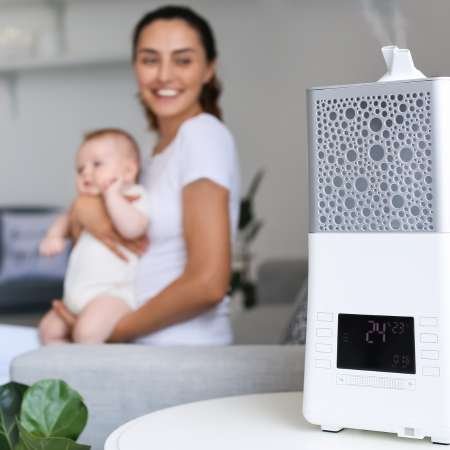
A humidifier can provide relief for your baby during a cold.
How a Humidifier Helps
A humidifier adds moisture to the air, which can help alleviate dryness in the throat and nose, repress coughing, and make the baby more comfortable.
Choosing the Right Humidifier
It’s best to choose a cool-mist humidifier to prevent the risk of burns. Also, consider one that can be easily cleaned, as dirty humidifiers can breed mold and bacteria.
Humidifier Safety and Maintenance
Always follow the manufacturer’s instructions for cleaning and maintaining your humidifier. Keep the humidifier out of your baby’s reach and remember to change the water daily.
Saline Drops and Nasal Aspirators
To help your baby breathe more comfortably during a cold, you can use saline drops and a nasal aspirator.
How Saline Drops Work
Saline drops help thin and loosen the mucus in your baby’s nose, making it easier to expel.
Proper Use of Nasal Aspirators
A nasal aspirator can be used to gently suction the loosened mucus out of your baby’s nose. Ensure you clean it thoroughly after each use to prevent the spread of germs.
Potential Risks and Precautions
Never insert the nasal aspirator too deeply into your baby’s nostrils as this can hurt their delicate nasal passages. Also, limit the use of saline drops, as overuse can dry out their nose and make things worse.
Bathing and Skin Care During a Cold
The humble bath can be a great comfort to a baby with a cold.
Benefits of Warm Baths
A warm bath can soothe your baby, help clear their nasal passages, and also promote better sleep.
Skin Care to Prevent Chapping
During a cold, your baby’s skin around their nose might become chapped from frequent wiping. Keep it moisturized with gentle creams or balms that are safe for babies.
Recommended Products and Methods
When choosing products, always opt for those that are hypoallergenic and fragrance-free. And remember, never leave your baby unattended in the bath.
Softening Rough Cough with Natural Remedies
Natural remedies can aid in providing relief from your baby’s cough.
Honey for Cough Relief
Honey can be a potent remedy. However, it’s important to remember that honey should never be given to a child under one year of age.
Warm Fluids and Broths
For babies older than six months, warm fluids and broths might help soothe a sore throat and provide relief from coughing.
Baby-Safe Herbal Teas
Always consult your healthcare provider before introducing any herbal teas. Some herbs may help soothe your baby’s cough but remember caution must be taken to ensure they are safe for your baby.
Massaging Techniques for Infants with Colds
Massages can help your baby feel better when they have a cold.
Benefits of Infant Massage During a Cold
Massaging can help your baby relax, improve their sleep, and release congestion. It can also stimulate the immune system to help it fight off the virus.
Easy Massaging Techniques
There are specific techniques to massage a baby during a cold. These include massaging around the nasal area to relieve congestion and doing a chest massage to ease coughing.
Safety and Precautions When Massaging
Be gentle and make sure your hands are clean. If your baby seems uncomfortable or if their skin is red and irritated, stop the massage.
Knowing When It’s Time to Call the Doctor
It’s essential to know when your at-home care isn’t enough, and you need to seek medical attention.
Warning Signs of Serious Illness
Watch for signs such as a high fever, severe cough, wheezing, repeatedly pulling at the ear, signs of dehydration (like few wet diapers), or symptoms not improving after a week.
How to Monitor Baby’s Symptoms
Record your baby’s symptoms, their durations, and any changes in behavior or appetite. This information can be helpful to your healthcare provider.
Creating a Plan with a Healthcare Provider
Always have a plan in place with your healthcare provider. This includes knowing when to call, when to seek emergency care, and what treatments or remedies are safe.
Having a baby with a cold can be a challenge, but with some knowledge, a lot of patience, and a little help from these tips, you’ll be able to help your little one feel better in no time.