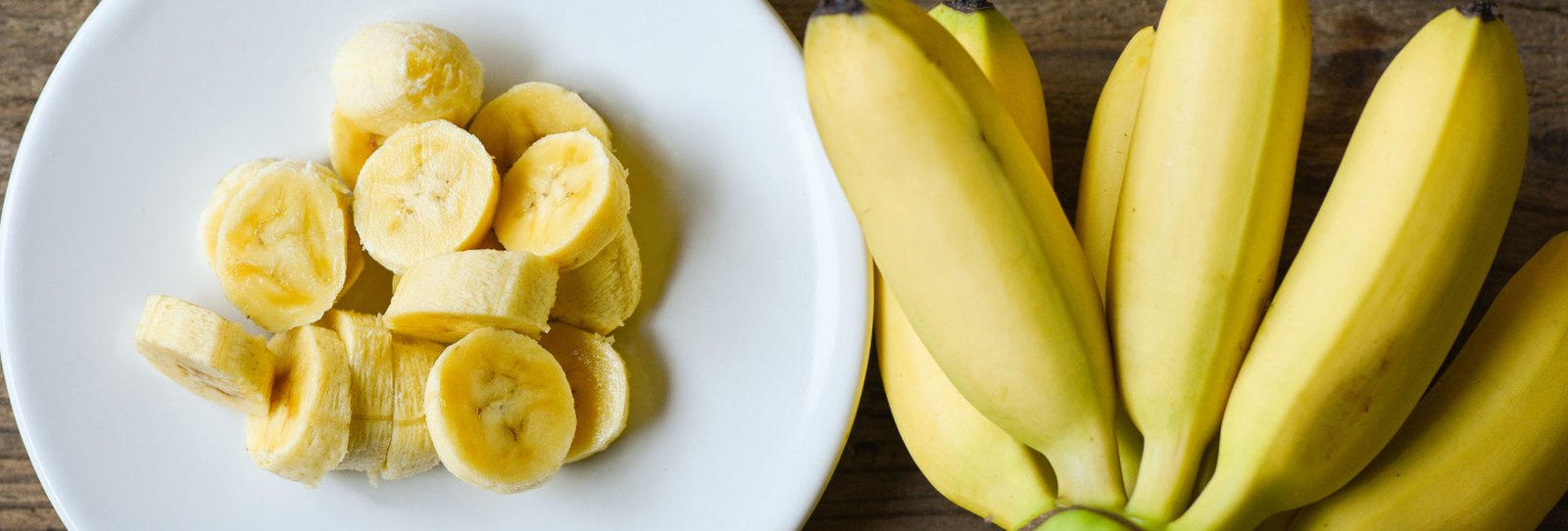
Bananas are one of the most popular fruits worldwide, known for their distinctive shape and bright yellow peel. But beyond their appealing appearance and sweet taste, bananas offer a wealth of nutritional benefits that many people may not be aware of.
Table of Contents
B. Importance of Nutrition in Daily Life
Nutrition plays a crucial role in our daily lives. It’s not just about maintaining a healthy weight; it’s about ensuring our bodies have the nutrients they need to function properly. A balanced diet can help prevent chronic diseases, boost our immune system, and improve our overall quality of life. Understanding Plant Pathogens Affecting Bananas can help us appreciate the nutritional value of this fruit even more.
C. Why Focus on Bananas?
So, why focus on bananas? Well, bananas are not only delicious and convenient to eat, but they’re also packed with essential vitamins and minerals. They’re an excellent source of dietary fiber, vitamin C, potassium, and vitamin B6. Plus, they’re low in fat and sodium. Exploring Deep Learning Techniques in Agriculture can provide more insights into the cultivation of this nutritious fruit.
II. History and Origin of Bananas
A. The Journey of Bananas: From Wild Fruit to Kitchen Staple
The banana has a long and fascinating history. Originating in Southeast Asia, bananas were likely first cultivated over 7,000 years ago. They made their way to Africa about 2,000 years ago and were brought to the Americas by Portuguese sailors in the 16th century. Today, bananas are grown in tropical regions around the world and are a staple food for millions of people.
B. Cultivation and Varieties of Bananas
There are over 1,000 varieties of bananas in the world, ranging from the familiar yellow Cavendish banana to red, green, and even purple varieties. Some bananas are sweet and perfect for eating raw, while others are starchy and best suited for cooking.
III. Nutritional Profile of Bananas
A. Basic Nutritional Facts
Bananas are a powerhouse of essential nutrients. A medium-sized banana typically contains:
Calories: 105
Protein: 1.3 grams
Fat: 0.3 grams
Carbohydrates: 27 grams
Fiber: 3.1 grams
Sugar: 14.4 grams
B. Detailed Breakdown of Vitamins and Minerals
Bananas are rich in several vitamins and minerals, especially potassium, vitamin B6, and vitamin C. Here’s a detailed breakdown:
Potassium: 422 mg (12% of the daily value)
Vitamin B6: 0.4 mg (33% of the daily value)
Vitamin C: 10.3 mg (17% of the daily value)
Magnesium: 31.9 mg (8% of the daily value)
Copper: 0.1 mg (5% of the daily value)
Manganese: 0.3 mg (15% of the daily value)
C. Caloric Content and Dietary Fiber
Despite their sugar content, bananas have a low to medium glycemic index, which means they should not cause major spikes in blood sugar levels in healthy individuals. Moreover, bananas are a good source of dietary fiber, which can help regulate digestion and may aid in weight loss by making you feel fuller for longer.
Bananas are rich in potassium, a mineral that is essential for heart health. High potassium intake is associated with reduced blood pressure and a lower risk of heart disease.
C. Bananas and Weight Management
While bananas are not a magic bullet for weight loss, they are low in calories and high in fiber, making them a nutritious and satisfying snack that can help prevent overeating.
D. Bananas in Boosting Energy and Exercise Performance
The natural sugars in bananas — fructose, glucose, and sucrose — provide quick energy, making them a favorite snack among athletes. Plus, bananas are a good source of several nutrients like potassium, which athletes lose in sweat.
V. Bananas and Dietary Restrictions
A. Bananas in a Gluten-Free Diet
For those following a gluten-free diet, bananas are a safe and healthy choice. They are naturally free of gluten and can be used in a variety of gluten-free recipes, from breakfast smoothies to banana bread..
B. Bananas in a Vegan Diet
Bananas are a staple in many vegan diets. They can be used as a plant-based substitute for eggs in baking, and their natural sweetness can reduce the need for added sugars.
C. Bananas and Diabetes: A Balanced View
While bananas contain sugar, they also have fiber and beneficial nutrients. This means they can be included in a diabetic diet, as long as they’re eaten in moderation and paired with protein or fat to prevent blood sugar spikes.
VI. Comparing Bananas with Other Fruits
A. Bananas vs. Apples: A Nutritional Face-Off
While both fruits have their benefits, bananas edge out apples in terms of fiber and vitamin content. However, apples have fewer calories and less sugar.
B. How Do Bananas Stack Up Against Berries?
Berries are lower in calories and sugar than bananas, but both are high in fiber and antioxidants. Berries also have the added benefit of being one of the lowest glycemic index fruits.
C. The Nutritional Showdown: Bananas vs. Citrus Fruits
Citrus fruits like oranges and grapefruits are lower in calories than bananas and are known for their high vitamin C content. However, bananas offer more fiber and potassium.
VII. Incorporating Bananas into Your Diet
A. Healthy and Delicious Banana Recipes
Bananas are incredibly versatile and can be incorporated into your diet in many ways. Here are a few ideas:
Banana smoothies: Blend a banana with some yogurt, milk, or a plant-based alternative for a quick and nutritious breakfast.
Baked goods: Bananas can be used in a variety of baked goods, from banana bread to muffins and pancakes.
Frozen banana ice cream: Freeze some bananas and then blend them for a healthy, dairy-free ice cream alternative.
B. Tips for Including Bananas in Your Daily Meals
Breakfast: Add sliced bananas to your cereal, oatmeal, or yogurt.
Snacks: A banana can be a great on-the-go snack. You can also pair it with a source of protein, like peanut butter, for a more balanced snack.
Dessert: Use bananas to sweeten your desserts naturally. They can be used in baking, or you can simply enjoy a ripe banana with a sprinkle of cinnamon.
C. Creative Ways to Use Overripe Bananas
Don’t throw away your overripe bananas! They’re perfect for baking, as they’re sweeter and easier to mash. You can also freeze them for smoothies or banana ice cream.
VIII. Potential Risks and Considerations
A. Allergies and Intolerances Related to Bananas
While banana allergies are not very common, they do exist. Symptoms can range from itching and swelling to difficulty breathing. If you suspect you have a banana allergy, it’s important to seek medical advice.
B. The Debate on Bananas and Weight Gain
Bananas are relatively low in calories, but they’re also high in carbs and sugar, which has led some people to worry about their potential for weight gain. However, as part of a balanced diet, bananas can be enjoyed without leading to weight gain.
C. Understanding the Banana's Sugar Content
While it’s true that bananas contain sugar, it’s natural sugar, which is much healthier than the refined sugar found in processed foods. Plus, bananas are packed with fiber, which slows the absorption of sugar into your bloodstream and prevents spikes in blood sugar.
IX. The Future of Bananas: Research and Developments
A. Genetic Modification and the Future of Bananas
As with many crops, bananas are subject to disease and pests. Scientists are researching ways to create disease-resistant banana plants using genetic modification. While this is a controversial topic, it could be a way to ensure the future sustainability of this important crop.
B. Ongoing Research on Bananas and Human Health
Research is ongoing into the health benefits of bananas. Some studies are looking at how the high levels of antioxidants and phenolic compounds in bananas could help fight chronic diseases like cancer. Others are exploring how bananas could aid digestion and support gut health.
X. Conclusion
A. Summary of Key Points
Bananas are a nutritious, versatile, and widely available fruit. They’re packed with essential vitamins and minerals, offer numerous health benefits, and can be incorporated into a wide variety of meals and snacks. While they do contain sugar, it’s accompanied by fiber and beneficial nutrients, making bananas a healthy choice for most people.
B. The Role of Bananas in a Balanced Diet
Bananas can play a key role in a balanced diet. They’re a great source of quick energy, making them an excellent choice for a pre-workout snack or a mid-afternoon pick-me-up. And with their high fiber content, they can also help keep you feeling full and satisfied.
For more personalized advice on incorporating bananas and other nutritious foods into your diet, consider scheduling an online consultation with our team of wellness experts at Healthyram.com. Our experts provide holistic wellness guidance based on the Indian wisdom of AYUSH.
XII. Frequently Asked Questions (FAQs)
A. Are Bananas Fattening?
No, bananas are not fattening. While they do contain more carbs than some other fruits, they’re also packed with essential nutrients and are a good source of dietary fiber.
B. Can I Eat Bananas If I Have Diabetes?
Yes, people with diabetes can eat bananas. However, they should be mindful of portion sizes and aim to eat them along with a source of protein or fat to prevent spikes in blood sugar.
C. How Many Bananas Should I Eat in a Day?
There’s no set number of bananas that you should eat in a day. It depends on your overall diet, nutritional needs, and personal preferences. As part of a balanced diet, it’s perfectly healthy to eat a banana every day.
D. Are Green or Yellow Bananas More Nutritious?
Both green and yellow bananas have their benefits. Green bananas are higher in resistant starch, which can benefit gut health, while yellow bananas are easier to digest and have higher antioxidant levels.
E. Can Bananas Help Me Lose Weight?
Bananas can support weight loss as part of a balanced diet. They’re low in calories, high in fiber, and can help curb cravings due to their natural sweetness.