

Suffering from swollen feet during pregnancy? It can be quite frustrating, can’t it? As part of the pregnancy journey, swollen feet are often a common yet uncomfortable reality. Discovering simple yet effective home remedies can be your ticket to much-needed relief. “Relief with Home Remedies for Swollen Feet During Pregnancy” shares useful strategies you can easily implement at home to help alleviate your discomfort. It’s a must-read, especially if you’ve been trudging through your days with swollen, heavy feet that just never seem to vane.
Unlock the Secrets to Ultimate Well-being with Experts at healThyRam.com!
Understanding Swollen Feet During Pregnancy
Pregnancy is a truly miraculous period of your life, but it can come with some less-than-pleasant side effects, like swollen feet. Also known as edema, this is a common symptom experienced by many expecting mothers, especially in the later stages of pregnancy. Dealing with swollen feet can be uncomfortable and frustrating, but it’s important to remember that this is a temporary issue that usually resolves itself after childbirth.
An overview of swollen feet in pregnancy
During pregnancy, your body produces approximately 50% more blood and bodily fluids to meet the needs of the developing fetus. These extra fluids accumulate in your tissues due to increased blood flow and pressure of your growing uterus on the pelvic veins. This fluid buildup leads to swelling in your feet and ankles.
Causes of swollen feet in pregnancy
Reasons for swollen feet during pregnancy go beyond just the extra fluid. Factors such as prolonged standing, long periods of driving or flying, diet high in sodium, and caffeine consumption can worsen the situation. The swelling is more pronounced during warm weather, in the afternoon and evening, and in the later stages of pregnancy due to increased weight and hormonal changes.
Why swollen feet can be a concern
While mild swelling in your feet and ankles is normal during pregnancy, unexpected or sudden swelling can be a sign of preeclampsia, a serious condition that requires immediate medical attention. Therefore, it’s essential to monitor your symptoms and consult your doctor if the swelling is severe, sudden, or accompanied by other worrying symptoms.
How to Reduce Swelling
While swollen feet during pregnancy can be quite uncomfortable, luckily there are several strategies you can use to help reduce this symptom.
Importance of resting frequently
One of the most effective methods to cope with swollen feet during pregnancy is rest. Ensure to take frequent breaks throughout the day, especially if you’ve been standing for prolonged periods.
Role of exercise in reducing swelling
While it might seem counterintuitive, staying active and exercising regularly can actually help alleviate swollen feet. Walking and swimming are excellent low-impact exercises that improve blood circulation and can help reduce fluid buildup.
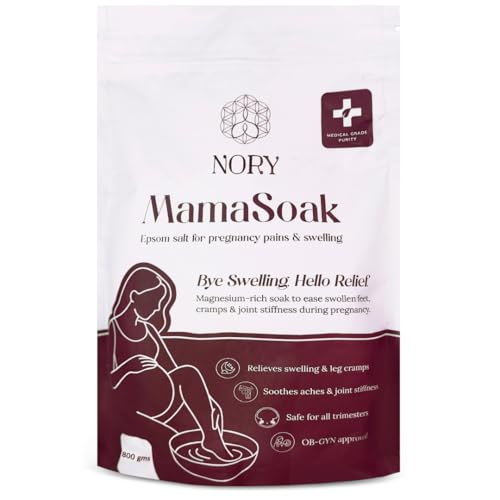
Benefits of soaking feet
Another great way of reducing swelling is by soaking your feet in cool water. This not only provides immediate relief but could also help reduce fluid retention in your feet.
Dietary Changes To Consider
Diet can play a significant role in managing swellings during pregnancy.
Foods to include in diet for reducing swollen feet
Consuming a balanced diet rich in protein is essential during pregnancy. It’s beneficial to include potassium-rich foods, like bananas and spinach, which can help reduce water retention. Foods high in magnesium, such as avocados and legumes, can also lessen the likelihood of swelling.
Foods to avoid during pregnancy to control swelling
Try to avoid foods that are high in sodium (salt), as these can exacerbate swelling. This includes foods like chips, processed meats, and canned foods. Also, limit the intake of caffeinated drinks and alcohol, as these can lead to dehydration and increased swelling.
Role of hydration in controlling swelling
Staying hydrated is of the utmost importance while pregnant. Drinking ample amounts of water will help your body get rid of excess fluids and reduce swelling.
Benefits of Elevation
Elevating your feet is another easy and effective method for reducing swelling.
What is foot elevation
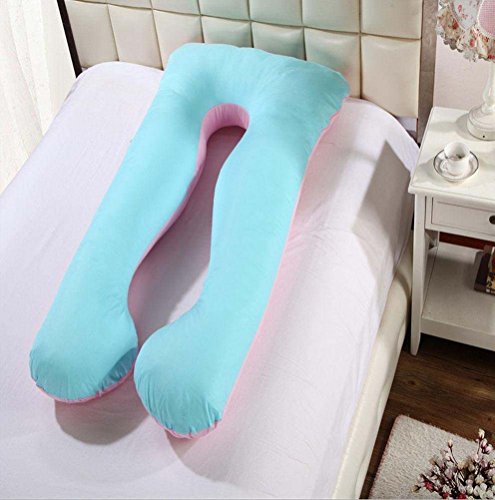
Foot elevation simply means lifting your feet above the level of your heart. This can be achieved by lying in bed and placing a few pillows under your legs.
How foot elevation helps in reducing swelling
Keeping your feet elevated improves blood flow and reduces the pressure on the veins of your lower body, thus helping to decrease the swelling.
Tips for effectively elevating feet during pregnancy
Try to elevate your feet several times a day and especially after periods of prolonged standing. You could also elevate your feet while you sleep by placing a pillow or two at the foot of your bed.
Using Compression Socks
Compression socks or stockings can be another helpful tool in dealing with swollen feet during pregnancy.
What are compression socks
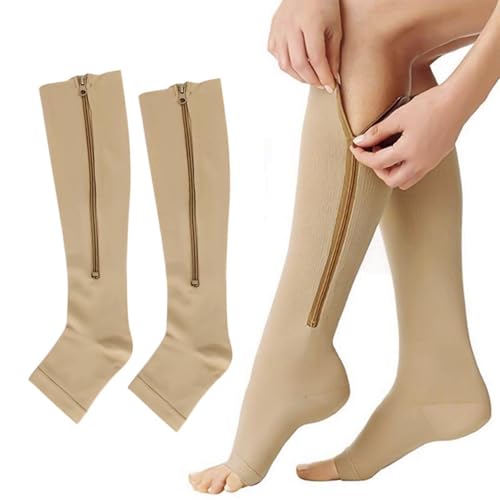
Compression socks exert consistent pressure on your legs to improve blood circulation. These specialized hosiery items are designed to compress the leg and foot area, preventing fluid from pooling in these areas.
How compression socks can help reduce swelling
The consistent pressure applied by these socks encourages fluid to move back into the veins and thus reduces swelling and discomfort.
Choosing the right compression socks during pregnancy
It’s important to choose the right size and fit. Socks that are too tight can actually worsen the swelling and cut off your circulation. It’s best to consult with a healthcare professional to ensure you’re choosing the correct pair.
Foot Massages
Foot massages can be incredibly beneficial for reducing swollen feet during pregnancy.
Importance and benefits of foot massages during pregnancy
Foot massages improve blood circulation and are an excellent way of dealing with swelling. They’re also a great way to relieve tension and stress, and to relax both your mind and body.
How to do a proper foot massage
Apply a gentle pressure and massage in a circular motion starting from your heel and moving toward your toes. Don’t forget your ankles! Using a moisturizing lotion or oil can also be helpful.
When to avoid foot massages during pregnancy
Though foot massages are generally safe, there are certain situations, such as high risk pregnancies or certain medical conditions, where it would be best to avoid them. Always consult with a healthcare professional before starting any new regimen.
Home Remedies for Swelling
There are also several home remedies to help you manage swelling during pregnancy.
Natural remedies to decrease swelling
Natural remedies like cucumber, parsley, and lemon are known to help reduce swelling. Herbal teas containing dandelion or nettle can also decrease fluid retention because of their diuretic properties.
Preparation of these remedies
Most of these remedies can be simply included in your diet. You can snack on cucumber slices, add fresh parsley to your meals, or squeeze a lemon into your water.
Precautions while trying home remedies
Ensure you consult with your healthcare provider before trying any natural remedies. Some herbs, despite being natural, can have side effects or interact negatively with other medications you might be taking during pregnancy.
When to Seek Medical Attention
Being aware of when to seek medical attention is essential for your and your baby’s health.
Understanding the difference between normal and worrisome swelling
While mild swelling is normal, sudden or severe swelling, especially when accompanied by other symptoms like headaches, dizziness, or changes in vision, could be signs of preeclampsia.
Signs and symptoms that require medical attention
If you notice swelling in your face or around your eyes, puffiness of your hands, sudden or severe swelling of your legs, ankles, or feet, or you have more than mild swelling of your lower extremities persisting for more than 24 hours, it’s high time to seek medical attention.
Possible complications if untreated
Untreated exacerbated swelling can result in high blood pressure, preeclampsia or even cardiac and pulmonary issues. It’s important to get it checked by a healthcare professional to prevent such complications.
Unlock the Secrets to Ultimate Well-being with Experts at healThyRam.com!
Preventing Swollen Feet During Pregnancy
Knowing some preventive measures can help you avoid the discomfort of swollen feet during pregnancy.
Lifestyle modifications to prevent swelling
Try to stay active, avoid standing for prolonged periods, limit high sodium food intake, and drink plenty of water. These are some of the lifestyle modifications that can truly make a difference.
Pre-pregnancy considerations to avoid swollen feet
If you’re planning to become pregnant, adopting healthy habits early on can help you better manage potential swelling down the line.
Role of regular prenatal check-ups in prevention
Regular prenatal check-ups are vital to monitor your condition and take timely action to manage and control swelling should it occur.
Post-Pregnancy Care for Swollen Feet
After you’ve welcomed your little one, you might still need to deal with swollen feet.
Managing swollen feet after delivery
Just as during pregnancy, restful, dietary management, staying active, and foot elevation can help control post-pregnancy swelling.
Home remedies post-pregnancy
The home remedies you’ve employed during pregnancy, such as soaking feet and cucumber slices, can still be helpful in handling the swelling after childbirth.
When to seek post-pregnancy medical help for swollen feet
If your swelling doesn’t decrease after a week or two post-delivery, or you have severe or sudden swelling, always reach out to a health professional. Just as with pregnancy-related swelling, postpartum swelling can also flag certain health issues that need medical attention.
Swollen feet during pregnancy aren’t usually a cause for concern, but they can be uncomfortable. With these tips and tricks, you’ll be well-equipped to manage if and, likely, when this common pregnancy symptom arises. The most important thing, as always, is to pay attention to what your body is telling you and to not hesitate to reach out to a professional if you have any concerns. Happy and healthy pregnancy to you!
Unlock the Secrets to Ultimate Well-being with Experts at healThyRam.com!
Disclosure: As an Amazon Associate, HealThyRam.com earns from qualifying purchases. This comes at no additional cost to you and helps support our work.
