

Introduction to Saffron Tea
Overview of Saffron Tea
Let’s delve into the world of saffron tea, a drink that’s not only unique in flavor but also rich in history and health benefits. Imagine a warm, golden-hued cup of tea that greets you not just with its inviting aroma but also with a host of therapeutic properties. This is exactly what saffron tea brings to the table—or should I say, to the teacup.
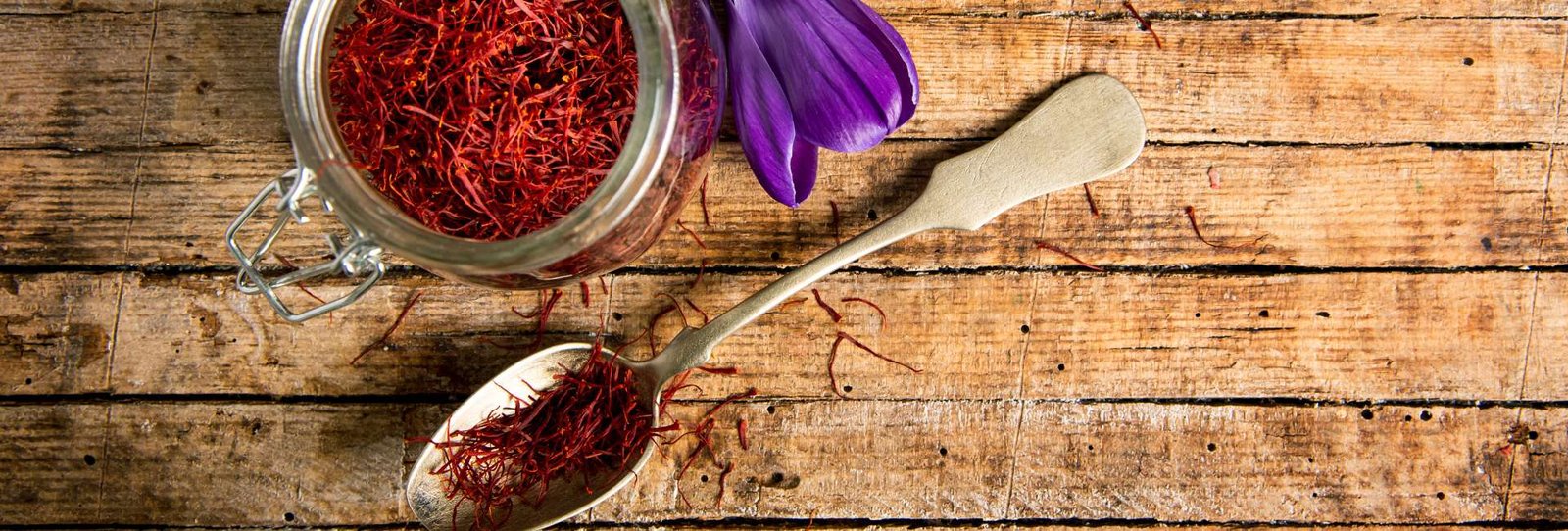
Saffron, a spice known for its vivid crimson stigmas, which are, in fact, the prized threads from the flower of the Crocus sativus plant, is often referred to as “red gold” due to its high value. These delicate threads are meticulously handpicked and dried, encapsulating a deep, earthy essence that is then released into boiling water to create a magical cup of saffron tea.
History and Origin of Saffron
Dating back more than 3,000 years, the history of saffron is as colorful as the spice itself. The crocus blooms, cradled by the gentle climates of the Middle East and parts of Europe, have been the heart of various cultures and civilizations. Predominantly harvested in Iran, India, and Greece, the saffron harvest season is a short, yet significant time when the crocus flowers unveil their beauty, typically from October to November.
Not only do these stigmas serve as a bold spice for culinary delights, lend vibrant hues to fabric, and provide enticing notes to perfumes, but they also carry the legacy of traditional medicine. Over the centuries, saffron has woven its way through legend and lore, carrying tales of its therapeutic prowess. It’s a testament to the lasting power of this spice that today, in our modern age of medicine, you’re rediscovering the benefits of saffron, now wrapped in the simple pleasure of a soothing cup of tea.
Indeed, current studies support the notion that saffron holds valuable health properties. It’s a treasure trove of antioxidants, which may help protect your cells against free radicals and oxidative stress. Some even suggest that the mood-enhancing qualities of saffron tea can sprinkle a little sunshine on gloomy days, potentially alleviating symptoms of depression and giving you that much-needed mental lift. People with premenstrual syndrome (PMS) might find solace in saffron’s embrace too, as it’s believed to soothe the ebbs and flows of monthly discomfort.
As you sip on this luxuriant tea, you’re not merely enjoying a warm drink; you’re partaking in a tradition that has spanned millennia, building on the wisdom of generations to enhance your well-being. So, take a moment to relish the rich tapestry of flavor and history that is steeped in every cup of saffron tea. Enjoy the journey as it unfolds with every sip, connecting you to faraway lands and ancient times.
Cultivation of Saffron Crocus
Growing Regions and Harvesting Process
Have you ever wondered where that vividly colored and aromatic saffron in your tea comes from? Saffron, the prized spice known for its delicate threads and luxurious flavor, originates from the crocus sativus Linné flower. This beautiful blossom calls the Middle East and particular regions of Europe its home, with a substantial portion of cultivation happening in Iran, India, and Greece.
Your cup of saffron tea has a history tied to an intricate growing and harvesting process that is as fascinating as it is labor-intensive. Imagine fields of these delicate purple flowers, which only grace us with their presence for a brief period each year. They bloom for just three to four weeks in October and November, each standing 20 to 30 centimeters tall – a tiny window in which the treasured spice must be collected.
Now, let’s get personal with these flowers. Every crocus plant, only after three years of patient nurturing from seed, will produce about three to four flowers. And from each of these blooms, just a trio of dark red stigmas are obtained. That’s your saffron! But here’s the catch: these stigmas have to be plucked with the utmost care and by hand. This meticulous process is why saffron earns the title of one of the most expensive spices in the world.
Quality and Types of Saffron for Tea
When you hold a strand of saffron, you’re holding a piece of artisanal craftsmanship. This is not just any spice; it’s a labor of love and tradition. The quality of saffron is paramount, especially when you’re looking to brew a soothing cup of saffron tea. You might find yourself enticed by labels like “Iranian Sargol” or “Spanish Coupe,” each telling a story of the level of care in cultivation and the bouquet of flavors offered.
Here’s a little insider tip for you: when choosing saffron for tea, you want to look for bright crimson red threads. This color indicates a strong flavor, potent aroma, and higher quality because the color comes from the crocins – the active compounds contributing to saffron’s health benefits. Longer threads also mean less likelihood of adulteration, ensuring you’re getting the real deal.
The types of saffron are crucial, too. Think of it like picking out a fine wine. The “Coupe” stands at the pinnacle when it comes to saffron types and is coveted for making tea. It has the highest color strength and flavor profile, ensuring that your tea is not only mesmerizing in color but also rich in its health-promoting properties. It is almost exclusively comprised of the red stigmas, with no yellow style attached, which can dilute the strength.
Embrace the enchantment of making your own saffron tea. Each sip not only transports you to ancient fields but also offers a sip of health, a storied tradition, and an appreciation for the meticulous art of saffron cultivation. Cheers to your next cup of healing and history!
Nutritional Profile of Saffron Tea
Key Nutritional Components
When you steep those vibrant threads into a warm cup of tea, you’re not just adding an exotic flavor to your palate, you’re also nourishing your body with an array of beneficial nutrients. Saffron tea isn’t just about indulging your senses; it’s a powerhouse when it comes to your well-being. So, let’s peek into what exactly you’re sipping on.
Each delicate thread of saffron is jam-packed with vitamins and minerals. A cup of this golden elixir can supply your body with vitamin C, helping support your immune system. It also brings a blend of B vitamins to the table including B6 which plays a vital role in energy metabolism and neurological health. The presence of these nutrients in your saffron tea means you’re supporting your body in more ways than one with every single sip.
Let’s not brush over the minerals. Potassium, for instance, is crucial for maintaining healthy blood pressure levels and is a friend to your heart. Magnesium, another big player, is essential for bone health and muscle function. A bit of saffron tea after a stressful day could be a soothing source of this relaxing mineral.
And while saffron is not a meal in itself, it’s surprisingly high in dietary fiber considering its size, which is a boon for your digestive health. I know what you’re thinking, “Fiber in my tea?” Yes! Even a small contribution from these threads can be part of a supporting cast that keeps your digestive system running smoothly.
Health-Promoting Phytochemicals in Saffron
Apart from the nutrients we just talked about, your saffron tea is a treasure chest of beneficial phytochemicals. Phytochemicals are like Mother Nature’s little helpers, providing protection and boosting health in various ways.
One star phytochemical in saffron is crocin – it’s the compound that gives saffron its distinct bright red color. Crocins are powerful antioxidants which means they help fight off the damaging effects of free radicals in your body. By combating oxidative stress, crocins can be your allies in promoting heart health and potentially slowing down the aging process.
But wait, there’s more – saffron is also known for its mood-boosting abilities thanks to another compound called safranal. The scent of saffron tea alone can be a mood enhancer, and safranal is the maestro behind this fragrant symphony. Studies suggest it may have antidepressant properties, so that sense of calm and joy you feel with each warm cup might be more than just comfort from the heat.
Lastly, picrocrocin is the compound that gives saffron its bitter taste and contributes to the overall experience. This compound can also transform during the brewing process, enhancing the complexity and richness of your tea.
As you hold your cup of saffron tea close, remember you’re not just holding a cup of warm liquid – it’s a blend of history, tradition, and a collection of nature’s gifts that support your health in every drop. Enjoy the flavor, the aroma, and the wellness that comes from this remarkable spice.
Saffron Tea and Mental Health
Effects on Major Depressive Disorder
When you’re feeling down or caught in the grips of stress, it’s natural to seek comfort. One way to gently coax your spirits back up is by indulging in the soothing warmth of saffron tea. It turns out that your choice of brew could do more than just provide a moment of tranquility. Recent research suggests that saffron may have a positive effect on individuals suffering from major depressive disorder.
By incorporating saffron tea into your routine, you might find it to be a comforting ally in your pursuit of balance and well-being. Picture the vibrant threads of saffron infusing your cup with not just flavor but potential mood-enhancing properties. This is no ordinary cup of tea; it’s a cup infused with the power of centuries-old healing wisdom.

Saffron as an Alternative to Antidepressants
Now, let’s talk about your choices in mental health support. If you’ve grappled with depression and traditional antidepressants aren’t quite agreeing with you, saffron could offer a beacon of hope. Imagine finding a natural companion for your journey toward emotional equilibrium. Saffron tea could very well be that gentle nudge, a natural means to aid in lifting your spirits.
In a world where medication side effects sometimes outweigh the benefits, the prospect of saffron as an alternative is refreshing. Isn’t it wonderful to envision something as simple as enjoying a cup of tea could also contribute to your mental health? While it’s critical to consult with health professionals when addressing mental health matters, knowing there are natural options like saffron tea to discuss with them can be incredibly empowering.
Embrace the tradition and therapeutic benefits of saffron tea. As you cradle the warm mug in your hands, breathe in its exotic aroma, and let its flavors swirl on your palate, imagine those precious threads weaving a tapestry of relief through your mind. It’s a moment to pause, reflect, and potentially soothe more than just the soul. Your journey to better mental health could begin with the simple act of brewing tea. How beautifully profound and wonderfully accessible is that?
Cardiovascular Health Benefits
Impact on Blood Pressure
Now, let’s shift our focus to your heart. Imagine how you’re trying to live a healthier life, to feel energetic and invigorated. You’d probably be interested in natural ways to support your cardiovascular health, right? That’s where saffron tea steps in, with its impressive tapestry of health benefits – including its potential effect on blood pressure.
Picture this: every sip of saffron-infused tea could be a step towards a calmer you, inside and out. High blood pressure is a silent adversary for many – it creeps up unnoticed and has the potential to cause unwanted health issues. But could your tea-drinking ritual help keep it at bay? Engaging with this fragrant beverage might assist in naturally lowering your blood pressure. Imagine the comfort that comes with knowing every cup holds a promise for your wellbeing.
Moreover, it’s a delightfully untroubled procedure. You pour hot water over those precious saffron threads, let it steep, and as the hue turns a golden-orange, you’ve crafted not just a drink, but a vessel of potential health advantages. Remember to enjoy this special tea in moderation, as part of a balanced lifestyle, to truly reap its possible benefits.
Protection Against Heart Disease
Now, I want you to envision your heart wrapped in a protective embrace. That’s what saffron tea might offer you. Each thread of saffron contains chemical compounds that aren’t just words on a page, but allies to your heart’s health. Isn’t it reassuring to know that this spice, cherished for ages, might also safeguard the organ that keeps you going?
Studies offer a glimpse of hope, indicating that saffron could provide protection against heart disease. Imagine a future where your heart is not only healthier but stronger because of the choices you’re making right now. Enjoying saffron tea could be one of those smart choices, a pleasant habit that contributes to your body’s protection.
As you integrate saffron tea into your daily routine, think of it as part of a bigger picture – a picture where diet, exercise, and stress reduction work together to keep your heart happy. With every cup, you’re not only indulging in a timeless tradition but also investing in the health of your heart. This luxurious crimson spice isn’t just a treat for the senses; it’s a gift to your longevity. And what could be better than looking after your heart while relishing in the exotic flavors of centuries-old culinary treasure?
So, let’s raise our cups to saffron tea – to its warmth, to its vibrant color, and to the possibility that it heralds a heartier, healthier life. Here’s to your health and to finding pleasure in the simple, natural choices that honor it.
Preparing Saffron Tea
Optimal Brewing Techniques
Understanding the best way to brew your saffron tea is crucial to unlocking its potential benefits. Start by gently crushing the saffron threads. This will help release the flavors and health-giving properties. Heat your water just short of boiling – around 90 to 95 degrees Celsius is perfect – to avoid burning the delicate threads. When you pour the hot water over the saffron, be patient; allow it to steep for a full five to seven minutes. This ensures that the volatile oils and unique compounds have ample time to infuse into the water, creating a golden-hued elixir.
As you wait, you might feel a sense of anticipation building up. Imagine the saffron threads as they release a rich tapestry of compounds into the water, transforming it into a cup of tea that’s not just delicious but also potentially nurturing for your mind and body.
Combining Saffron with Other Herbs
If you’re looking to spice things up, consider combining saffron with other herbs. This isn’t just an act of culinary creativity; it’s a way to personalize your tea to suit your taste and amplify the potential health benefits. Think about what you want to achieve with your tea. Are you seeking relaxation? Try adding a pinch of lavender or chamomile. Looking for a bit more zing in your cup? A slice of fresh ginger or a dash of cinnamon might be just what you need.
Mixing saffron with green tea leaves can be especially revitalizing. This combo might also extend the list of health benefits you’re after, since green tea is known for its own impressive profile of antioxidants. So why not let your creativity run wild? The possibilities are as vast as the botanical variety at your fingertips.
Remember, making saffron tea doesn’t just have to be about reaping health benefits. It’s also an opportunity to immerse yourself in an experience, a chance to experiment with flavors and make a brew that’s uniquely yours. Revel in the fragrance that emanates from your cup as it brews, and enjoy the act of taking care of yourself.
As you can see, making saffron tea can be an adventure in itself. You’re not just throwing another tea bag into a mug; you’re participating in an age-old tradition, one that whispers tales of ancient lands where this treasured spice was worth its weight in gold. Your simple daily routine could transform into a ritual, steeped in history and wellness. It’s time to let saffron tea with its crimson threads bring a touch of color and a bounty of health to your life.
Safety and Dosage Considerations
Recommended Intake and Potential Side Effects
While there are countless benefits to incorporating saffron tea into your life, as with any ingredient, it’s important to be mindful of how much you consume. The old adage “everything in moderation” certainly applies here. Saffron is a powerful spice, and its strength isn’t just in the flavor it imparts. For a safe intake, you’ll want to stick to a few threads per cup of tea – this usually means about 0.1 grams. Drinking too much saffron tea can lead to potential side effects such as dry mouth, anxiety, dizziness, and nausea. In even rarer cases, it could lead to more severe conditions if consumed in extreme quantities.
That’s why I want to remind you to listen to your body. It’s all about enjoying the sensory experience and the health benefits without going overboard. Think about how you can incorporate saffron tea into your lifestyle in a balanced way, maybe as a morning ritual or a calming evening tradition. Let it be your little oasis of serenity, knowing you’re nurturing yourself with every sip.
Interactions and Contraindications
If you’re taking any specific medications or have underlying health conditions, it’s always wise to have a chat with your healthcare provider before introducing anything new into your routine. While saffron is a natural ingredient, it can sometimes interact with various drugs and medical conditions. Especially if you’re expecting or breastfeeding, or if you have a heart condition, it’s better to err on the side of caution.
Remember, your unique health profile is important to consider when trying any herbal remedy. Certain herbs, including saffron, contain active compounds that could interfere with blood pressure or blood clotting medications, for instance. Also, if you’re scheduled for surgery, you’ll want to stop using saffron tea well in advance due to its potential effect on blood clotting.
As the nights draw in or the day slowly wakes up, and you’re steeping your saffron threads in hot water, take this moment for yourself. Yes, saffron tea can warm you, uplift you, and contribute to your well-being—it’s more than just a comforting brew. But like any journey of wellness, it requires a thoughtful approach. Pay attention to guidelines for safe usage, and make this experience a harmonic part of your wellness routine.
Enjoy the tranquility that comes with your cup, knowing that with the right balance and information, you’ve taken another step towards a health-conscious lifestyle that honors your personal needs and boundaries. Let saffron tea be your ally, lighting up your days with its brilliant hue and array of benefits, carefully and conscientiously sipped.
User Experiences and Testimonials
Personal Accounts of Health Improvement
When you explore the journey of incorporating saffron tea into your life, you’ll come across countless stories from individuals who swear by its benefits. There’s something incredibly heartening about hearing firsthand experiences of health improvement. Picture Susan, who had long struggled with unsettling mood swings associated with her menstrual cycle. She found that sipping on saffron tea seemed to take the edge off her premenstrual syndrome symptoms. After a couple of months, she noticed a significant change; she was calmer and could handle stress better during that particular phase of the month.
Then there’s David, who incorporated saffron tea into his evening routine. As a result, he feels that his sleep quality has improved, which he attributes to the potential stress-relieving properties of the saffron. Through word-of-mouth, these personal stories spark curiosity and inspire others to give saffron tea a chance. While it’s vital not to take these testimonials as scientific proof, they certainly provide a glimmer of hope and encourage a personal trial.
Research-Backed Benefits Versus Anecdotal Claims
It’s natural for you to wonder about the legitimacy of the health claims surrounding saffron tea. While anecdotes are valuable, turning to the research can help differentiate between confirmed benefits and folk promises. Scientific studies have begun to shed light on saffron’s potential, including aiding those with premenstrual syndrome, as mentioned in scholarly publications. These studies give credence to the testimonials and suggest there might be more than just placebo effects at play.
But remember, you should be cautious when navigating the sea of information; not all claims are created equal. While researchers have made promising discoveries, like the use of saffron as a chemopreventative agent for certain types of cancer, such findings are in their infancy. This is where you, as a savvy individual, must strike a balance between optimism and critical thinking. It’s thrilling to explore these emerging avenues alongside scientists and healthcare professionals, and it ensures that you remain an informed participant in your health journey.
In your own quest for well-being, why not keep an open mind but also a keen eye for science-based evidence? Experiment with saffron tea and see how it fits into your health regimen. Who knows, you might just find that, along with scientific validation, your personal experience is truly the most convincing testimony to its merits. So go ahead, steep yourself a cup of this golden brew, and join the ranks of saffron sippers who have woven this precious spice into the fabric of their daily lives.
Exploring the Varieties and Preparations of Saffron Tea
Discovering Different Blends and Brews
You’ve heard about the potential benefits of saffron tea, and maybe you’re intrigued about trying it out for yourself. But before you dive in, you should know that there are various ways to enjoy this golden infusion. Each form of saffron tea promises a unique taste and experience. You can find pure saffron threads to steep, or you might opt for tea blends that mix saffron with other complementary flavors such as green tea, chamomile, or even mint. Trying different types grants you the chance to find your personal favorite and appreciate saffron’s versatility.
Learning the Art of Preparing Saffron Tea
As with any tea, the preparation can make all the difference. Saffron tea brewing is an art in itself, a small ritual that invites mindfulness into your day. To fully release the flavor and the benefits, you’ll need to steep the saffron threads in hot water—just shy of boiling is perfect. Some people add a touch of honey or another sweetener to enhance the taste. Savor the process of brewing and enjoy the moment as the vibrant threads infuse the water with their color and aroma.
Navigating Misinformation and Finding Reliable Sources
Identifying Trustworthy Information
In your journey to discover the health benefits and pleasures of saffron tea, exercise discernment when evaluating sources of information. Quality research is vital, so look for studies published in recognized journals or information provided by respected institutions. Be wary of sensational claims and remember that if something sounds too good to be true, it probably is.
Consulting with Health Professionals
It’s always worth consulting with a healthcare professional before adding new elements to your health regimen. They can offer guidance tailored to your individual needs and circumstances and help you understand how saffron tea might fit into your lifestyle. Whether you’re considering saffron tea for its potential health benefits or simply for enjoyment, a conversation with a professional can provide you with peace of mind and ensure that you’re making informed choices.
Integrating Saffron Tea into Your Lifestyle
Adopting New Habits
Integrating saffron tea into your life can be a simple yet profound change. Begin by introducing it as part of a calming evening routine, or perhaps start your day with a warm cup. Over time, you may notice subtle shifts in your well-being. Pay attention to these changes, as your body might be telling you something valuable about this new habit.
Sharing and Connecting with Others
Exploring the world of saffron tea is an experience best shared. Exchange notes with friends or join online communities that focus on natural health and wellness. These connections not only enrich your own experience but also contribute to a collective understanding of saffron tea’s place in a healthy lifestyle. Share your findings, listen to others, and build a community around this cherished spice.
