

You’re about to embark on a journey into the world of Ayurvedic cleansing techniques. This comprehensive guide will shed light on the ancient Indian health care system’s practices for detoxification and rejuvenation. Whether you’re a newcomer to holistic health or already knee-deep in herbal remedies, you’ll find valuable insights into Ayurveda’s approach to inner cleanliness. With this guide, discover the role of dietary routines, breathing exercises, meditation, and other Ayurvedic cleansing techniques in maintaining a balanced, vibrant life. So, brace yourself and get ready to explore the many facets of Ayurvedic cleansing rituals for a better, healthier you! Let’s kick start this exciting journey.
Consult our Ayurveda experts for holistic wellness, now!
Understanding Ayurveda and Its Significance
Ayurveda is one of the world’s oldest holistic medicinal systems, and it’s been improving lives for more than 5,000 years. Born in India, this system rests on the belief that health and wellness rely on the delicate equilibrium between your body, mind, and spirit.
Brief History of Ayurveda
The roots of Ayurveda stem back to the ancient Vedas. These are India’s oldest known documents and form the basis of Ayurvedic philosophy and treatment. This knowledge was passed down through generations orally before being put into texts around 5000 years ago. Today, the wisdom of Ayurveda helps countless people live healthier, more balanced lives.
Concepts and Principles of Ayurveda
At the heart of Ayurveda are the principles of the three doshas – Vata, Pitta, and Kapha. These energy levels dictate every individual’s specific physiological and mental characteristics. Achieving balance among these doshas is vital in maintaining or restoring good health, with unique diets, herbal treatments, and cleansing techniques being used to bring about equilibrium.
Benefits and Importance of Ayurvedic Cleansing
Ayurvedic cleansing, otherwise known as ‘detoxification,’ plays a critical role in maintaining a healthy, balanced body and mind. This cleansing helps remove toxins, lightens your body, clears your mind, enhances digestion and metabolism, and advances your overall health.
Basics of Ayurvedic Cleansing
Ayurvedic cleansing is a powerful process built to expel toxins from your body and revitalize your physical and mental health. This system counteracts the toxins in your body while restoring equilibrium and promoting natural healing.

What is Ayurvedic Cleansing?
Ayurvedic Cleansing is a series of treatments and programs developed to help your body detoxify, rejuvenate, and attain equilibrium. It’s usually achieved through dietary measures, lifestyle modifications, and the use of specific herbs and treatments.
Types of Ayurvedic Cleansing Techniques
There’s a variety of Ayurvedic cleansing methods, each tailored to different bodies, doshas, and requirements. Some techniques like Panchakarma require professional guidance, while simple enemas, fasting, and herbal decoctions can be done at home.
Understanding Doshas and Their Role in Ayurvedic Cleansing
Your dosha (vata, pitta, or kapha) holds significant influence over the type of cleansing techniques you should opt for. Certain treatments may be more beneficial to specific dosha types, just like how certain foods are recommended for different doshas. Therefore, knowing your dosha type is paramount to getting the most out of Ayurvedic cleansing.
Consult our Ayurveda experts for holistic wellness, now!
Panchakarma: The Fivefold Detoxification Treatment in Ayurveda
If you’re looking for an in-depth detox, Panchakarma is an excellent choice. This series of five treatments helps eliminate toxins from your body and rejuvenate it.
Understanding Panchakarma
Panchakarma is a Sanskrit term that translates to ‘five actions’. It’s a sequence of five therapies – Vamana (emesis), Virechana (purgation), Niruha Basti (enema with medicinal decoction), Anuvasana Basti (oil enema), and Nasya (nasal administration).
Steps Involved in Panchakarma
Panchakarma is a series of steps that includes initiation (preparation of your body), main procedures (the five treatments), and concluding procedures like dietary changes and guidance on how to maintain the benefits and continue the process at home.
Benefits of Panchakarma
When done properly, Panchakarma can produce life-changing benefits. It could eliminate deep-rooted stress, toxins, and illnesses, improve immunity, restore balance and well-being, rejuvenate the body, clarify the mind, and promote longevity.
Agni – The Digestive Fire
At the center of Ayurveda’s physiological principles is Agni. This ‘digestive fire’ is critical in the overall health and wellness of an individual.
Concept of Agni in Health and Disease
In Ayurveda, Agni is seen as the force that drives digestion and metabolism. A healthy Agni equates to better digestion, assimilation, and energy production, thereby promoting health. However, impaired Agni may lead to insufficient digestion, creating Ama – toxic metabolic waste that can cause disease.
Boosting Agni through Cleansing
Ayurvedic cleansing is designed to reignite your Agni. A strong Agni breaks down toxin build-up in your body, helping restore balance and optimal health.
Role of Agni in Detoxification
When Agni is functioning properly, it aids in burning away Ama, leading to better digestive health and overall well-being. Hence, nourishing this ‘digestive fire’ is essential in Ayurvedic detoxification.

Dinacharya: Ayurvedic Daily Routine
Dinacharya, or ‘daily routine’, is an essential part of Ayurveda. This practice aims to align with nature’s rhythm to promote health.
What is Dinacharya?
Dinacharya refers to the set of self-care practices that Ayurveda advises to be performed daily. These practices, such as waking up early, practicing yoga, and eating at the right times, help to maintain balance in one’s doshas.
Daily Practices in Dinacharya
Routine practices could include waking before sunrise, cleansing, meditation and yoga, eating balanced meals at specified times, productive physical and mental work during the day, rest, and a night regimen pushing for early sleep.
Importance of Dinacharya in Cleansing and Detoxification
Following Dinacharya encourages balance, which in turn fosters a healthy bodily environment for natural detoxification. Various practices like self-massage, yoga, and meditation help in the gentle expulsion of toxins from your body.
Ritucharya: Seasonal Regimen in Ayurveda
Like Dinacharya, there’s also a seasonal regimen in Ayurveda – Ritucharya. Adaptation to seasonal changes forms a vital part of preventing disease and promoting health.
 What is Ritucharya?
Ritucharya refers to the lifestyle and dietary changes one should make in accordance to changes in the season. The objective is to adjust your body and align with nature.
Seasonal Diet and Routine
Each season affects the balance of doshas differently. Therefore, adjusting your diet, exercises, and daily routines based on the season could help maintain dosha balance.
Role of Ritucharya in Cleansing
Through Ritucharya, Ayurveda offers cleansing methods to help your body adapt to the changes each season brings. These cleanses aid in maintaining balance, boosting immunity, and promoting overall health.

Ayurvedic Herbs and Ingredients Used in Cleansing Techniques
Herbs play a significant role in Ayurvedic treatments, and cleansing is no exception. They reinforce your detox process, making them an integral part of your cleansing routine.
Commonly Used Herbs in Ayurvedic Cleansing
Some of the commonly used herbs for cleansing include turmeric, ginger, amla, and triphala. These herbs offer potent healing and purifying properties, aiding in the removal of toxins.
Choosing the Right Herb for your Dosha
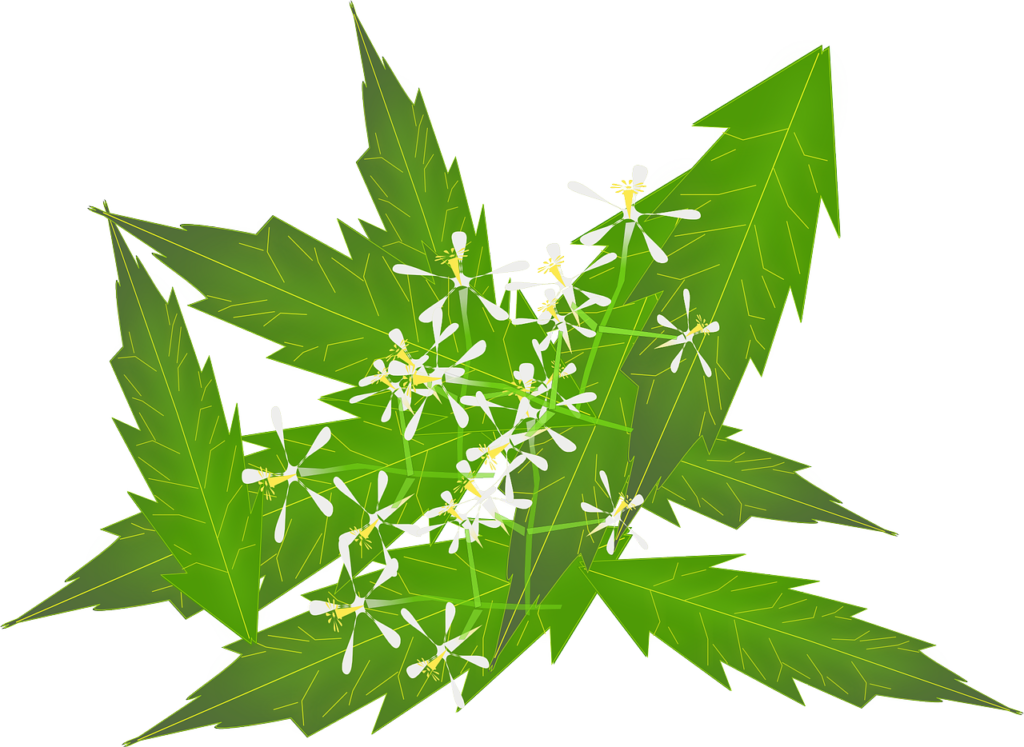
Picking the right herb depends on your dosha type. For instance, if you’re dealing with a Vata imbalance, you might find warm, grounding herbs like Ashwagandha helpful. Alternatively, cooling herbs like Amla or Neem might be better suited for a Pitta imbalance.
Preparation and Usage of Ayurvedic Herbs
The method of preparing and consuming these herbs can vary, but it often includes creating decoctions, infusions, or adding the herbs to foods. Knowledge of the proper use and dosage is vital to reap the full benefits of these potent herbs.
Ama: Understanding and Eliminating Body Toxins in Ayurveda
In the Ayurvedic system, Ama is considered the root cause of most illnesses. It’s the toxic residue that results from incomplete digestion.
What is Ama?
Ama refers to a toxic material that accumulates in our body due to indigestion. It acts like sludge, blocking channels in your body and hampering normal functioning.
Signs of Ama in the Body
Signs of Ama buildup in your body can range from physical symptoms like constipation and joint pain to mental symptoms like mental fog, confusion, and lethargy.
Ayurvedic Techniques for Ama Removal
There are several techniques in Ayurveda to remove Ama. It can include adopting proper food habits, performing cleansing techniques, utilizing specific herbs and spices, and adopting an appropriate lifestyle.

Practical Tips for Implementing Ayurvedic Cleansing at Home
Incorporating Ayurvedic cleansing techniques into your home routine is entirely feasible and beneficial, though for complex techniques like Panchakarma, professional guidance is advisable.
Preparation for Ayurvedic Cleansing
Before starting the cleanse, ensure that you’ve stocked up on all the necessary herbs and tools. The right mindset, a calm environment, and commitment to the whole procedure also set the stage for successful cleansing.
Step-by-step Guide to Home Detox
A home detox can include dietary changes, lifestyle modifications, and the introduction of simple Ayurvedic treatments like herbal decoctions, steam baths, and body massages. Following a proper guideline is important to maximize the benefits of home detox.
Post-cleansing Care and Routine
After a cleanse, it’s vital to slowly transition back to your regular routine. A sudden resurgence of heavy or processed foods could shock your system. Rest, proper hydration, and gradual reintroduction of various foods into your diet helps maintain the benefits of your cleanse.
Potential Risks and Precautions in Ayurvedic Cleansing
While Ayurvedic cleansing is generally safe and beneficial, some precautions need to be taken to prevent potential risks or side effects.
Side Effects of Ayurvedic Cleansing
Certain Ayurvedic cleansing procedures may have side effects like temporary discomfort or nausea. However, when done under professional supervision and following proper guidelines, such side effects are minimized.
When to Avoid Cleansing
Cleansing may not be suitable for everyone at all times. For instance, pregnant or menstruating women, very young or old individuals, and severely debilitated individuals should generally avoid vigorous Ayurvedic cleansing processes.
Professional Guidance for Safe Cleansing
While simple routines can easily be done at home, for more complex procedures like Panchakarma, professional guidance is crucial. This ensures the process is not only effective but also safe.
With understanding and diligent practice, Ayurvedic cleansing can become a powerful tool for health and rejuvenation, offering profound benefits for both your body and mind. Always remember to seek advice from experienced practitioners before starting any rigorous procedure.
Consult our Ayurveda experts for holistic wellness, now!
Ayurvedic Cleansing Mastery
Unlock Wellness with Our Ayurvedic
Experts Today
Counseling with Yoga Guru
Meet internationally acclaimed Yoga expert
to manage your physical, mental imbalances & lifestyle disorders.


Disclosure: As an Amazon Associate, HealThyRam.com earns from qualifying purchases. This comes at no additional cost to you and helps support our work.
