


Imagine feeling lighter, brighter, and healthier within a short period of time; well, that’s precisely what “Effective Home Remedies for Constipation Relief” is all about. As you deal with the discomfort and inconvenience caused by constipation, it’s essential to know that resorting to harsh laxatives may not be your only solution. Instead, this article details practical and easily accessible home remedies that could help soothe your digestive system and encourage regular bowel movements. With simple ingredients and straightforward procedures, you’re about to discover how to possibly turn your kitchen or garden into an unexpected yet effective healthcare centre.
Unlock the Secrets to Ultimate Well-being with Experts at healThyRam.com!
The Science Behind Constipation
Constipation often feels like an inconsequential disturbance, but its impact extends beyond mere discomfort. It’s that all-too-familiar condition where your bowels decide to go on a hiatus, leaving you feeling bloated, irritable, and, well, constipated. But what exactly is going on in your body when you experience constipation?
Understanding the Causes of Constipation
The fundamental cause of constipation lies in the colon or large intestine, which absorbs water from food as it progresses through your digestive system. Constipation occurs when the stool becomes hard and dry due to too much water being absorbed, making it difficult to pass.
Physical Factors Contributing to Constipation
Several physical factors can contribute to constipation, such as irregularities in your digestive system or medical conditions like irritable bowel syndrome (IBS), diabetes, or even pregnancy. Other factors include sedentary lifestyle, lack of exercise, age, or structural issues like blockages in the colon or rectum.
Dietary habits that induce constipation
Diet plays a significant role in bowel health. Habits like inadequate water and fiber intake, overconsumption of processed or fast foods, skipping meals, and over-reliance on caffeine or alcohol can all promote constipation.
Increasing Fiber Intake
Fiber intake plays a vital role in maintaining a healthy digestive system and preventing constipation.
Types of Dietary Fibers
There are two types of dietary fibers: soluble and insoluble. Soluble fiber dissolves in water, forming a gel-like substance that softens the stool. Insoluble fiber, on the other hand, adds bulk to the stool, stimulating the intestines to contract and propel the stool along.
Foods with High Fiber Content
Certain foods are rich in fiber, such as fruits (like berries, pears, apples), vegetables (like broccoli, Brussels sprouts, carrots), whole grains (like oatmeal, brown rice, popcorn), legumes (like beans, lentils, chickpeas) and seeds (like chia seeds, flax seeds).
How High-Fiber Food Aid in Digestion
High-fiber foods not only bulk up and soften your stool but also help balance your gut bacteria, which aids digestion. They also make you feel full longer, helping to maintain healthy weight and lower the risk of numerous health issues.
Ample Hydration
Hydration is another critical aspect of maintaining digestive health and preventing constipation.
Why Water is Essential in Digestion
Water is fundamentally involved in most body processes, including digestion. It helps dissolve fats and soluble fiber, allowing these substances to pass through more easily.
How Dehydration Leads to Constipation
Dehydration can lead to constipation since the body draws water from the colon when you’re not drinking enough, leading to harder and dryer stools.
Recommended Water Intake
Although the exact amount can vary based on factors like age, sex, and health conditions, a general rule of thumb is to aim for eight glasses of water a day.
Integrating Probiotics into the Diet
Adding probiotics to your diet can also help promote digestive health and reduce constipation.
Role of Probiotics in Gut Health
Probiotics are live bacteria and yeasts that are especially beneficial for your digestive system. They can help balance the gut flora, contributing to healthy digestion and helping fight off diseases.
Best Probiotic Foods for Constipation
Probiotic-rich foods include yogurt, kefir, kombucha, sauerkraut, pickles, and tempeh.
Probiotic Supplements
Probiotic supplements can also be a good option, especially for people who don’t enjoy the taste of probiotic-rich foods.
Physical Activity as a Remedy
The role of physical activity in averting constipation cannot be overstated.
Link between Physical Activity and Bowel Movement
Exercise stimulates your intestinal muscles, speeding up the movement of stools through your colon.
Exercise Examples
Aerobic exercises such as swimming, biking, walking, and running may be particularly beneficial. Yoga and other stretching exercises can also help improve digestion and alleviate constipation symptoms.
Ideal Exercise Frequency for Constipation
Ideally, you should aim for about 30 minutes of moderate physical activity every day.
Herbal Remedies
Herbal remedies have been used for centuries to address digestive problems, including constipation.
Herbs Known to Aid Digestion
Herbs like ginger, peppermint, and fennel are widely recognized for their digestive benefits and can help reduce constipation.
How to Consume these Herbs
These herbs can be consumed as a tea, or you can use them as spices in your meals.
Caution on Usage
However, while herbs can be a helpful remedy, it’s essential to remember that they can have side effects and can interact with other medications. Always consult with a healthcare provider before starting any herbal remedy.
Natural Laxatives
Many natural foods can act like laxatives to help alleviate constipation.
Working Mechanism of Natural Laxatives
Natural laxatives work by adding bulk and water to the stools, stimulating the intestines to contract, or acting as a stool softener.
Home Available Natural Laxatives
Foods such as chia seeds, aloe vera, and prunes are known for their natural laxative properties.
How to Use Natural Laxatives Safely
While they can offer quick relief, you should still aim for a balanced diet, regular exercise and adequate hydration to prevent constipation in the first place.
Importance of Regular Meals
Regular meals play a significant role in maintaining a healthy digestive system.
How Skipping Meals Affects Bowel Movements
When you skip meals, your body may not have enough substance to form a proper stool, leading to constipation.
Healthy Meal Frequency
Aim for regular meals and snacks throughout the day, ensuring a balance of fiber, protein, and healthy fats.
Balanced Meal Ideas
Balanced meal options could include oatmeal with fruits for breakfast, brown rice with grilled vegetables and a lean protein for lunch, and a hearty vegetable stew for dinner.
Dive Deep into Wellness Wisdom – Get Expert Advice on healThyRam.com Now!
Using Medicinal Plants
Medicinal plants can also provide constipation relief.
Commonly Found Medicinal Plants for Constipation
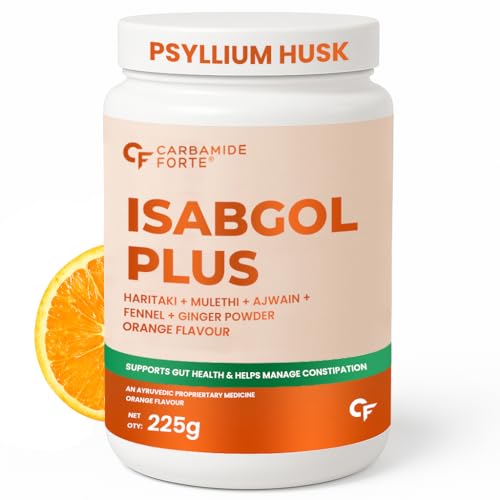
Plants like psyllium husk, senna, and aloe latex are known for their laxative effects and can help alleviate constipation.
Preparing Medicinal Plants for Consumption
These can be used in different forms like teas or supplements to help relieve constipation.
Words of Caution
But remember, while these plants can help, they can also bring side effects and can interact with other medications. Always consult with a healthcare provider before using a medicinal plant.
Ending Constipation with Mind-Body Techniques
Finally, don’t underestimate the power of mind-body techniques in addressing constipation issues.
Stress and its Connection to Constipation
Stress can interfere with your digestive system, often leading to constipation. Stress may exacerbate existing gastrointestinal disorders or lead to a perceived increase in severity of symptoms.
Relaxation Techniques
Practices like mindfulness, meditation, deep breathing, and yoga can help manage stress, promoting overall digestive health.
Habits to Incorporate in Daily Life
Other healthy habits, such as getting plenty of rest, establishing regular toilet routines, and not ignoring the urge to go, can also make a big difference.
In concluding, incorporating a variety of these practices into your lifestyle can help ensure your digestive system operates smoothly and keep constipation at bay. However, if you find your constipation is persistent or accompanied by other concerning symptoms, always consult with a healthcare provider to rule out more serious causes.
Discover Life-Changing Health Tips – Consult the Pros at healThyRam.com!
Disclosure: As an Amazon Associate, HealThyRam.com earns from qualifying purchases. This comes at no additional cost to you and helps support our work.
Tailored Family Nutrition Plans
For cancer, diabetes, kids, weight loss,
with 10k+ success stories.
Meet your Ayurveda Doctor
Treat your chronic health issues
from highly qualified & experienced Doctor.
