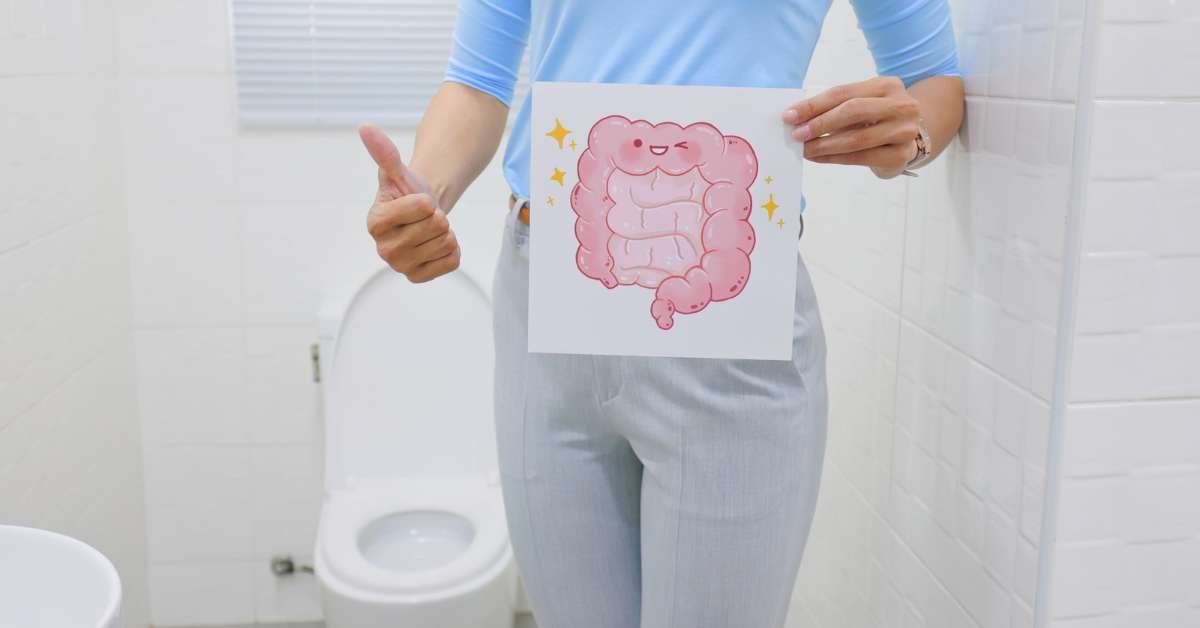

Introduction to Constipation
Intermittent fasting is a popular eating pattern that involves cycling between periods of eating and fasting. The primary goal is not to restrict what you eat, but rather when you eat. This approach has gained popularity in recent years as a simple and effective way to lose weight, improve overall health, and increase longevity.
Table of Contents
Why Constipation Occurs
There are several reasons why constipation can happen, but it’s often due to one or more of the following factors:
Diet and Lifestyle Factors:
Poor dietary choices, such as a lack of fiber, insufficient water intake, and sedentary lifestyle, can contribute to constipation. Consuming a diet low in fiber can lead to slow bowel transit time and hard stools.
Medical Conditions and Medications:
Certain medical conditions like irritable bowel syndrome (IBS), diabetes, and hypothyroidism can cause constipation. Additionally, some medications, including opioids, antacids, and antidepressants, can also contribute to the problem.
5 Effective Remedies for Fast Constipation Relief
Here are five effective remedies to help relieve constipation quickly:
Remedy 1: Hydration:
Drinking plenty of water can help soften stools and facilitate bowel movements. Aim for at least eight 8-ounce glasses of water per day. You can also try warm water with lemon, which can stimulate the digestive system.
Remedy 2: Herbal Teas:
Certain herbal teas, such as senna, chamomile, and peppermint, can help alleviate constipation. Senna, a natural laxative, can stimulate bowel movements, while chamomile and peppermint can relax the intestinal muscles.
Remedy 3: Exercise and Movement:
Engaging in physical activity can help stimulate your bowels and promote regular bowel movements. Try going for a brisk walk, practicing yoga, or doing light stretches to get things moving.
Remedy 4: Abdominal Massage:
Gently massaging your abdomen in a clockwise motion can help stimulate bowel movements and provide relief. Use the palm of your hand to apply gentle pressure and work your way around the lower abdomen, following the path of the large intestine.
Remedy 5: Over-the-counter Laxatives:
In some cases, over-the-counter (OTC) laxatives may be necessary for quick relief. There are various types of laxatives, such as osmotic, stimulant, and lubricant laxatives. Make sure to follow the instructions on the packaging and consult a healthcare professional if you’re unsure which type is best for you.
Precautions and When to See a Doctor
While these remedies can be effective in providing quick relief, it’s essential to recognize when it’s time to consult a healthcare professional. Be aware of the following warning signs and symptoms:
Warning Signs and Symptoms:
Persistent abdominal pain, blood in stools, unexplained weight loss, or constipation lasting more than two weeks are all reasons to see a doctor. These symptoms may indicate a more severe underlying condition that needs medical attention.
Potential Complications:
If left untreated, constipation can lead to complications such as hemorrhoids, anal fissures, or fecal impaction. It’s crucial to address constipation early to prevent these issues from arising.
Conclusion
Constipation can be an uncomfortable and frustrating problem, but fortunately, there are several effective remedies that can provide relief in just one hour. By incorporating these strategies, such as staying hydrated, drinking herbal teas, exercising, massaging the abdomen, and using OTC laxatives when necessary, you can alleviate constipation and maintain overall gut health. However, it’s important to be aware of warning signs and potential complications and seek medical attention when needed.
FAQs
How can I prevent constipation in the future?
While intermittent fasting can be safe and beneficial for many individuals, it may not be suitable for everyone. Pregnant or nursing women, individuals with a history of eating disorders, or those with certain medical conditions should consult their healthcare professional before trying intermittent fasting.
Can stress contribute to constipation?
Yes, stress can affect the digestive system and contribute to constipation. Incorporating stress reduction techniques, such as meditation or deep breathing exercises, may help alleviate constipation.
Are there any foods I should avoid if I'm prone to constipation?
Processed foods, refined carbohydrates, and foods high in fat and sugar can contribute to constipation. Focus on consuming whole, fiber-rich foods, such as fruits, vegetables, whole grains, and legumes.
Is it safe to use laxatives regularly?
Frequent use of laxatives can lead to dependency and disrupt the natural balance of the digestive system. It’s best to use laxatives occasionally and under the guidance of a healthcare professional.
When should I be concerned about my constipation?
If you experience persistent constipation lasting more than two weeks, severe abdominal pain, blood in your stools, or unexplained weight loss, it’s essential to consult a healthcare professional.