

Feeling under the weather because of the flu? It can be quite the annoyance. But worry no more, “Effective Home Remedies for Flu Relief” is here to guide you through some easy and effective strategies right from your home pantry. This article is all about how you can find relief and quick recovery using simple, everyday ingredients. With tried-and-true remedies, the path to recovery may just be a kitchen cabinet away! So, brace yourself to kick the flu in its face and get back on your feet faster than ever before.
Consult Our Experts for Flu Relief
Understanding the Flu
The flu, short for influenza, is a highly contagious viral infection that primarily affects your respiratory system. It’s not something to be shrugged off as just a severe cold – it can be a serious, even potentially deadly illness.
Identifying flu symptoms
Your first encounter with the flu might feel like an unexpected hit. The symptoms often come on suddenly and may include fever, chills, muscle aches, fatigue, cough, sore throat, and headaches. Unlike a cold, which typically comes on more gradually, the flu can make you feel like you’ve been hit by a truck with its rapid onset of symptoms.
Differentiating between the flu and common cold
The flu and a common cold can indeed share some symptoms like cough and a stuffed nose, but there are some vital differences. For one, the flu tends to be more severe and is usually accompanied by a fever, body aches, extreme tiredness and dry cough – symptoms that are typically not as intense, or even present, with a cold.
Period of contagion
Flu viruses are extremely contagious. According to the Centers for Disease Control and Prevention, you may be able to infect others from one day before symptoms develop and up to five to seven days after becoming sick. So, it’s crucial to stay home and avoid spreading the flu to others, even if your symptoms might feel mild.
Flu complications
For some people, particularly older adults, pregnant women, infants, and those with certain underlying health conditions, the flu can lead to serious complications. These may include bacterial pneumonia, ear or sinus infections, dehydration, and worsening of chronic medical conditions.
Importance of Medical Consultation
Even if you have a generally robust immune system, don’t downplay the importance of seeing a doctor when you’re facing the flu.
When to see a doctor
It’s important to seek medical attention if you have severe symptoms like high fever, severe aches, and difficulty breathing, or if you’re in a high-risk group. It would also be wise to see a doctor if your flu symptoms show signs of improvement but then return worse than before, as this could indicate a secondary infection.
Professional treatments for the flu
Your doctor might prescribe antiviral medications, which can lessen the severity of the flu and shorten the duration of your illness. However, these are most effective when commenced within 48 hours of the onset of symptoms. Besides antivirals, your doctor might also recommend over-the-counter medications to control your symptoms.

Consult Our Experts for Flu Relief
Boosting Immune System Naturally
Despite the challenges that come with the flu, nurturing your body’s natural defense, your immune system, can help combat the illness.
Proper nutrition for immune health
Foods rich in nutrients like vitamin C and E, beta-carotene, and zinc can foster a robust immune system. Citrus fruits, leafy greens, bell peppers, and nuts are just some of the nutrient-rich foods that can supercharge your immunity.
Importance of hydration
When you’re under the weather, staying hydrated is critical. Fluids can aid with the function of your body’s cells, including those of the immune system. Sipping on warm liquids can also soothe a sore throat and alleviate congestion.
Benefits of regular exercise
While you may not feel like hitting the gym when you’re sick with the flu, mild regular exercise augments your body’s ability to fight off infections by boosting the body’s natural defenses.
Role of adequate sleep
For your immune system to function optimally, it needs sleep. Sleep deprivation can knock down our immunity, making us more susceptible to illnesses. If you’ve got the flu, allow your body plenty of rest to recover.
Home Remedies for Flu Relief
While there’s no magical cure for the flu, specific home remedies can provide relief and help your body fight off the flu virus.
Types of home remedies
Some of the most common remedies include drinking warm beverages, such as herbal teas or warm water with lemon and honey. Another traditional remedy is chicken soup, said to have anti-inflammatory properties that can soothe a sore throat and clear nasal congestion.
Precautions when using home remedies
While most home remedies are safe, it’s essential to listen to your body. If a particular remedy doesn’t feel right or make you feel worse, stop using it. And remember, home remedies are not a substitute for medical treatment, so consult with your doctor if your symptoms do not improve or worsen.
How to choose the right home remedy
The effectiveness of home remedies can vary among individuals. But generally, remedies that promote hydration, soothe the throat, clear congestion, and boost the immune system can all serve to alleviate flu symptoms.
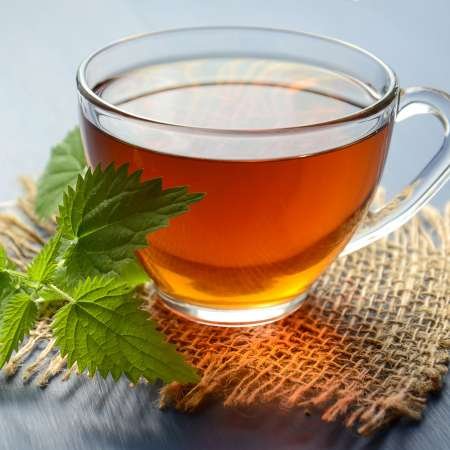
Use of Herbal Teas
Herbal teas can be quite the panacea when coping with the flu.
Benefits of herbal teas
Specific herbal teas can soothe a sore throat and alleviate congestion. Additionally, herbal teas can stimulate the immune system, accelerate recovery, and even quell nausea that may accompany the flu.
How to prepare herbal teas
To make the most of herbal teas, steep them in hot water for at least five to ten minutes to allow the water to absorb the therapeutic properties of the herbs. While you can add a bit of honey or lemon to augment the flavor and enhance the tea’s soothing properties, try to avoid adding milk, which might increase mucus production.
Most effective herbal teas for flu
Some effective teas include elderberry for immune support, chamomile for its soothing properties, and ginger tea for relieving nausea and inflammation. Peppermint tea can also help to clear congestion and soothe a sore throat.
Essential Oils and Aromatherapy
Essential oils can offer some relief when you’re battling the flu.
Best essential oils for flu relief
Many essential oils have properties that can alleviate certain flu symptoms. Eucalyptus oil, for example, can clear congestion and boost the immune system. Lavender oil, on the other hand, is known for its calming properties and can help you sleep better.
How to use essential oils safely
Remember to dilute essential oils with a carrier oil like coconut or jojoba oil before applying them to the skin. Some oils can also be diffused for inhalation or added to a hot bath.
Role of aromatherapy in flu relief
Inhaling the scent of essential oils, a practice known as aromatherapy, can reduce inflammation, clear congestion, and promote relaxation.
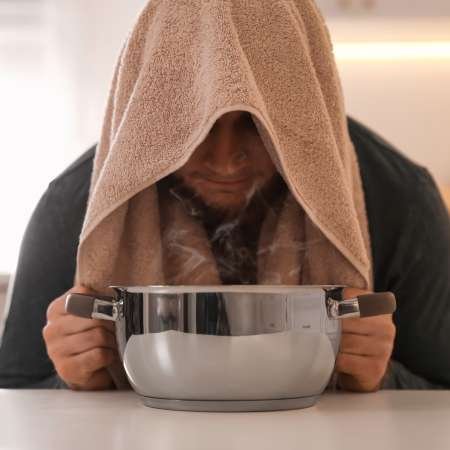
Hot Baths and Steam Inhalation
A hot bath can serve to comfort when dealing with the flu, while steam inhalation helps clear nasal passages.
Benefits of hot baths in flu relief
A hot bath can soothe aching muscles and promote relaxation. It might also help to break a minor fever by elevating body temperature and causing one to sweat.
How to perform steam inhalation
Steam inhalation involves breathing in warm, humid air. You can create your steam treatment by heating water and then draping a towel over your head as you lean over the bowl to inhale the steam.
Precautions when using steam inhalation
While steam inhalation can aid with congestion, be careful not to burn yourself with the steam or hot water.
Hydration and Electrolytes
Keeping hydrated and maintaining electrolyte balance is crucial when you have the flu.
Importance of hydration during flu
Fevers, sweating, and nasal discharge can cause you to lose additional fluids. Staying hydrated can keep your throat moist and keep your body functioning optimally.
Natural sources of electrolytes
Foods rich in electrolytes or drinks such as coconut water can help replenish the lost electrolytes. Electrolytes, like sodium and potassium, help carry out various body functions and maintain fluid balance.

Use of Spices in Home Remedies
Not just for flavor, certain spices can be especially helpful in providing flu relief.
Healing properties of spices
Many spices have robust anti-inflammatory, antiviral, and antibacterial properties. Plus, they can often stimulate the immune system, and hot spices can even help to clear congestion.
How to utilize spices in home remedies
Adding a sprinkle of cayenne pepper to a warm cup of chicken broth or stirring some turmeric into a pot of tea can add a healing touch to your home remedies.
Popular spices for flu relief
The most commonly use include turmeric for its potent anti-inflammatory effects, ginger for its anti-nausea properties, and cinnamon for its immune-boosting antioxidants.
Prevention of the Flu
It’s always better to prevent than to treat. Here are some ways to reduce your chances of contracting the flu.
Vaccination against the flu
Getting a yearly flu vaccine is the most effective way to prevent the flu. The vaccine trains your immune system to recognize and fight off the virus.
Good hygiene practices
Frequent and thorough hand washing, avoiding close contact with sick people, covering your mouth and nose when you cough or sneeze, and avoiding touching your face can all help avoid germs.
Building a healthy lifestyle
Eating a nutritious diet, getting regular exercise, ensuring adequate sleep, and maintaining a healthy weight can all strengthen your immune system, making your body a less hospitable host for the flu virus.
Monitoring and mitigating stress levels
Chronic stress can wear down your immune system over time, so finding healthy ways to manage stress is crucial. Whether it’s through meditation, yoga, or simply taking time each day for activities you enjoy, reducing your stress can bolster your body’s defenses against the flu.
